In Depth
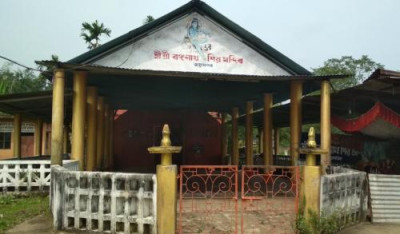
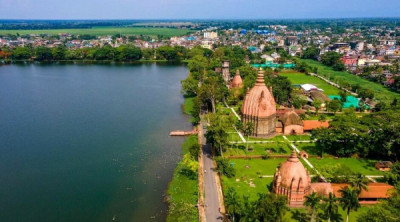
Constructed in 1734 AD by Bar Raja Ambika, the queen of Ahom king Swargadeo Siba Singha, Sivadol continues to dominate the skyline of Sivasagar and remains visible from almost every corner of the town. The word Sivadol comes from Assamese, where Dol means temple, symbolizing its sacred purpose.
Architectural Grandeur of Sivadol
Sivadol is widely recognized as the second tallest Shiva temple in Assam and among the tallest in India. The temple rises to an impressive height of 104 feet (32 meters), while some traditional accounts describe the full vertical prominence including the spire as visually reaching much higher. Its massive base measures approximately 195 feet in circumference, showcasing the engineering excellence of the Ahom period.
At the top of the temple sits the magnificent golden dome known as Kolosi, crafted from pure gold. This shining crown not only enhances the temple's spiritual aura but also makes it a prominent visual landmark.
Inside the Garbhagriha (sanctum sanctorum), devotees witness a unique and rare feature – a reversed Shiva Linga, which adds to the temple's spiritual mystique. The Shikhara or Vimana is crowned with a four-tiered Mastaka and is flanked by four smaller towers called angashikaras, maintaining perfect architectural harmony.
The temple walls are adorned with exquisite sculptures depicting Hindu deities, mythological beings, floral designs, and especially various forms of Goddess Durga, ranging from two-armed to sixteen-armed depictions of her victory over Mahishasura. These carvings narrate powerful stories from the Puranas, Ramayana, and Mahabharata.
Temples Within the Sivadol Complex
The Sivadol complex houses two other important temples built by Queen Ambika:
-
Vishnudol – Dedicated to Lord Vishnu
-
Devidol – Dedicated to Goddess Durga
Together, these temples form a sacred triad, making the site a major pilgrimage destination for devotees of Shaivism, Vaishnavism, and Shaktism.
Religious and Cultural Significance
Sivadol is not only a place of worship but also a living symbol of Assamese culture and faith. Daily prayers and rituals are conducted throughout the year, creating a deeply spiritual atmosphere.
Maha Shivaratri is the most significant festival celebrated here. Thousands of pilgrims from across India gather at Sivadol to offer prayers, perform abhishekam, and participate in the grand mela held within the temple premises. The holy month of Shravan (July–August) also sees a massive influx of devotees.
The temple is maintained by the Dol Unnayan Committee, which oversees rituals, crowd management, and conservation.
How to Reach Sivadol, Sivasagar
Best Time to Visit Sivadol
The ideal time to visit Sivadol is from October to March, when the weather is pleasant and suitable for sightseeing. Winters are especially enjoyable for exploring nearby monuments.
-
Best Festival Time: Maha Shivaratri
-
Avoid: Peak monsoon months due to heavy rainfall
-
Temple Timings: 06:00 AM to 09:00 PM
Where to Stay in Sivasagar?
Sivasagar offers a range of accommodation options including budget hotels, government lodges, and mid-range guesthouses. Many hotels are located near the temple and other Ahom monuments, making travel convenient for tourists.
Nearby Attractions
These sites collectively offer a complete insight into the Ahom dynasty's legacy.
Why Visit Sivadol
A visit to Sivadol is a journey through faith, history, and architectural excellence. Whether you are a pilgrim, historian, photographer, or cultural traveler, Sivadol offers a deeply enriching experience rooted in Assam's glorious past.
Quick Info Table on Sivadol, Sivasagar
| Detail | Information |
|---|---|
| Location | Sivasagar, Assam |
| Deity | Lord Shiva |
| Built By | Queen Ambika |
| Year | 1734 AD |
| Height | 104 feet |
| Dome | Golden Kolosi |
| Temple Timings | 06:00 AM – 09:00 PM |
| Best Time | October to March |
| Nearby Sites | Rang Ghar, Talatal Ghar, Kareng Ghar, Joysagar Tank, Charaideo Maidams, Tai Ahom Museum |
| Nearest Airport | Jorhat Airport |
FAQs on on Sivadol, Sivasagar