In Depth
Gargaon was the third capital of the Tai-Ahoms, established between 1539 and 1543 AD by Ahom king Siuklenmung (Gargayan Raja). The name Gargaon literally means city of ramparts, as the capital was surrounded by multiple defensive embankments such as Nimanagarh and Bahgarh. In Tai-Ahom records, the city was known as Che-hung, meaning a fortified city.
Historical Background of Kareng Ghar
According to Tai-Ahom Buranjis (historical chronicles), Gargaon was built after the capital was shifted from Charaideo, based on the advice of Queen Chaoching, a princess from the Nora kingdom. The region was earlier known as Hemenabari, named after a nobleman Hemena.
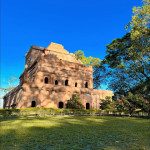
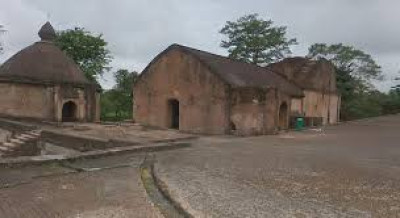
The present structure of Kareng Ghar was constructed in 1752 AD by Swargadeo Rajeswar Singha, replacing an earlier wooden palace built during the reign of Swargadeo Pramatta Singha. The palace was built using indigenous bricks and boulders, making it one of the finest surviving examples of Ahom brick architecture.
The capital city of Gargaon witnessed several invasions, including attacks by Koch general Chilarai (1562 AD) and Mughal commander Mir Jumla (1662 AD). It also suffered damage during the Moamoria rebellion. Eventually, the Ahom capital was shifted to Rangpur by Swargadeo Rudra Singha in 1704 AD.
Architecture and Structure of Kareng Ghar
Kareng Ghar is a seven-storeyed palace, making it one of the most unique monuments in Northeast India. The structure is divided into two main sections:
-
Talatal Ghar: The three underground floors
-
Kareng Ghar: The four floors above ground
The underground Talatal Ghar contains two secret tunnels, believed to have been used as escape routes and military passages during wartime. These tunnels reflect the advanced strategic planning of the Ahom rulers.
The palace walls are adorned with intricate carvings, sculptural patterns, and fortified corridors, blending Indian and Southeast Asian architectural elements. The multi-level pavilions and thick brick walls showcase the engineering expertise of the Ahoms, especially in earthquake-prone terrain.
Kareng Ghar and Ahom Administration
Kareng Ghar was not just a royal residence but also the administrative nerve center of the Ahom kingdom during the Gargaon period. Important royal councils, military planning, and governance decisions were carried out from this palace.
Its elevated position and fortified surroundings made it a strategic stronghold. The entire palace complex was designed to withstand invasions, reflecting the Ahom dynasty's emphasis on defense and sustainability.
Tourism Importance of Kareng Ghar
Today, Kareng Ghar is one of the most visited historical monuments in Assam and a key part of the Sivasagar heritage circuit. The site is maintained by the Archaeological Survey of India (ASI), ensuring preservation and visitor-friendly facilities.
Tourists, historians, architecture enthusiasts, and photographers visit Kareng Ghar to explore the legacy of the Ahoms. Well-maintained pathways, landscaped gardens, and informative signage enhance the visitor experience.
Kareng Ghar is often included in cultural tours during Assamese festivals, helping travelers understand the deep-rooted history of the region.
Nearby Attractions
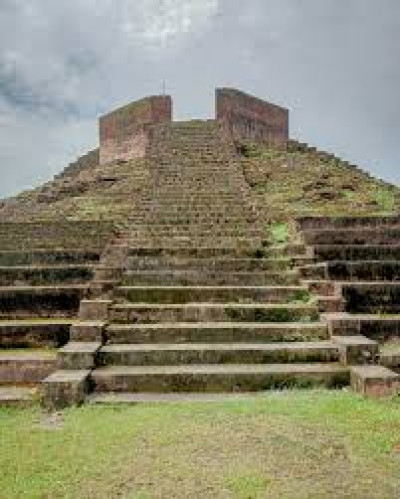
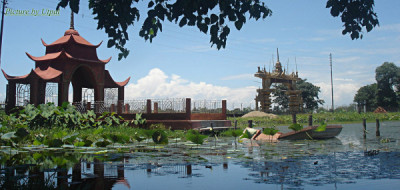
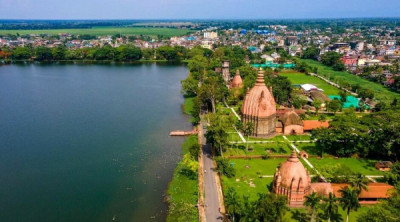
Visitors to Kareng Ghar can also explore several nearby Ahom-era monuments, including:
These attractions together narrate the story of the Ahom dynasty's political, religious, and cultural achievements.
How to Reach Kareng Ghar
Best Time to Visit Kareng Ghar
The best time to visit Kareng Ghar is from October to March, when the weather is pleasant and ideal for sightseeing. Summers are hot and humid, while monsoon months may make travel inconvenient due to heavy rainfall.
Where to Stay Near Kareng Ghar
Sivasagar town offers a range of accommodation options, including budget hotels, government lodges, and mid-range hotels. Jorhat also provides additional hotel choices for travelers seeking better connectivity and amenities.
Quick Info Table on Kareng Ghar
| Detail | Information |
|---|---|
| Name | Kareng Ghar / Garhgaon Palace |
| Location | Gargaon, Sivasagar, Assam |
| Built By | Swargadeo Rajeswar Singha |
| Year | 1752 AD |
| Floors | Seven (3 underground) |
| Distance from Sivasagar | 14–15 km |
| Architectural Style | Ahom Architecture |
| Maintained By | ASI |
| Best Time to Visit | October to March |
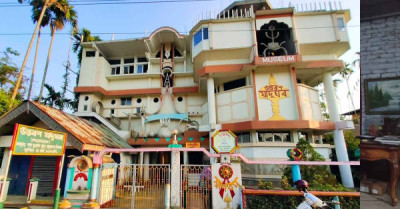
| Nearby Attractions | Rang Ghar, Talatal Ghar, Charaideo Maidams, Tai Ahom Museum, Joysagar Tank |
FAQs on Kareng Ghar