In Depth
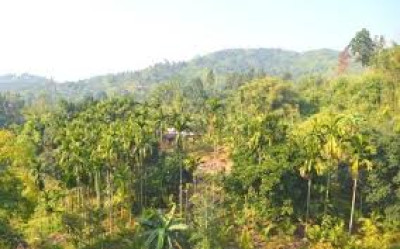
Spread across rolling hills and river valleys, the forest supports an exceptional diversity of flora and fauna. The terrain is dominated by sal forests, bamboo groves, medicinal plants, and evergreen vegetation, making it an essential biodiversity hotspot and watershed area for Guwahati. The forest is especially famous for being an elephant habitat and migration corridor, where herds move seasonally in search of food and water. Conservation efforts here focus on protecting elephant pathways, restoring degraded land, and reducing human-elephant conflict through community engagement.
One of the most unique features of Rani Garbhanga Reserve Forest is that it hosts India's only Vulture Conservation Breeding Centre (VCBC), located about 6 km from Rani village. This center, operated jointly by the Bombay Natural History Society and the Assam Forest Department, works to save the endangered Oriental white-backed and Slender-billed vultures from extinction. The facility uses monitored colony aviaries equipped with CCTV to study and support vulture breeding and rehabilitation.
Wildlife lovers can spot a wide range of species including hoolock gibbons, elephants, leopards, barking deer, sambar deer, reptiles, amphibians, and countless butterflies. Birdwatchers frequently observe species such as hill myna, hornbills, green magpie, rosy minivet, rufous woodpecker, oriental dwarf kingfisher, blue-naped pitta, hooded pitta, and oriental honey-buzzard. The forest's rich insect diversity, including dragonflies and pollinators, further highlights its ecological importance.
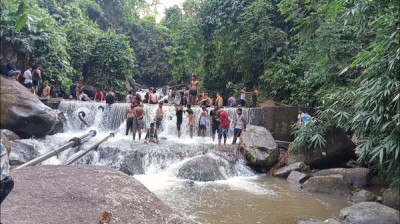
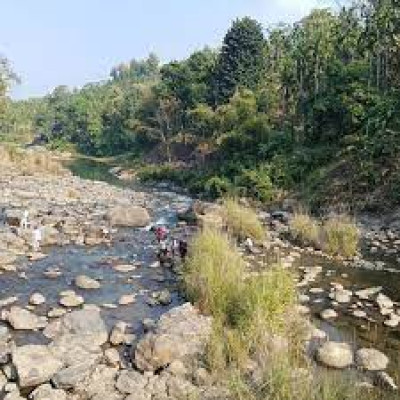
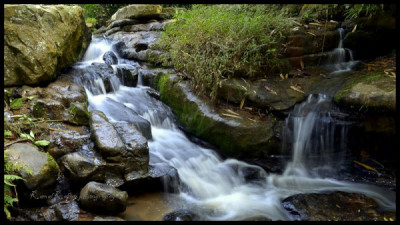
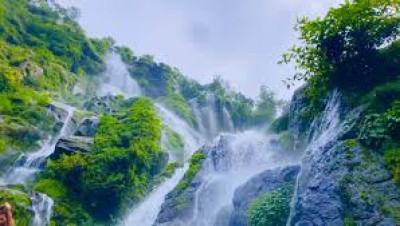
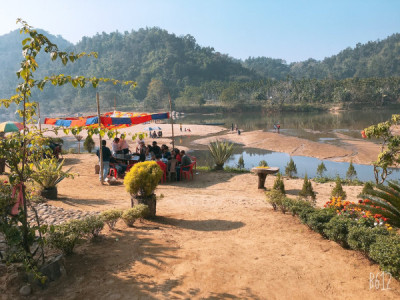
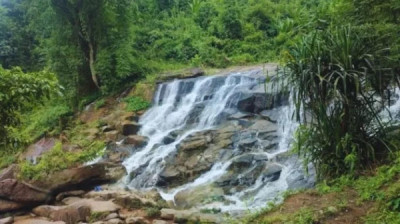
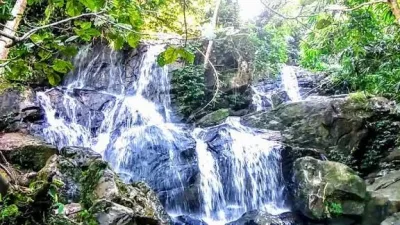
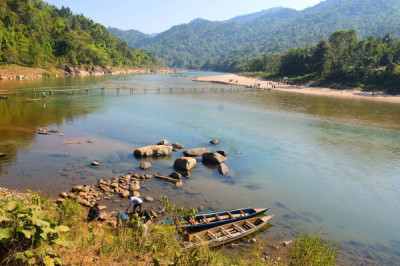
Rani Garbhanga Reserve Forest is also a popular destination for trekking, hiking, camping, bird photography, nature walks, meditation, and peaceful weekend escapes from Guwahati. Garbhanga Picnic Spot, located within the forest, offers riverside relaxation, shaded resting areas, and scenic views of streams and waterfalls. The cool forest climate makes it especially attractive during summer months, while the lush greenery after monsoon enhances its visual beauty.
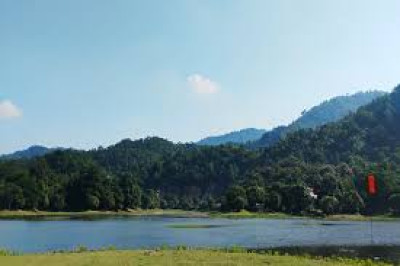
Beyond the forest itself, the surrounding Rani countryside adds cultural depth to the journey. Weekly markets at Rani Tinali attract villagers from Assam and Meghalaya who walk long distances to sell forest produce such as bananas, betel nuts, ginger, and vegetables. Nearby Amranga village is known as the ancestral home of celebrated Assamese writer Indira Goswami, popularly known as Mamoni Baideo, whose literary works gained national and international recognition. Just a few kilometers away lies Bholagaon-Patgaon Bormokam, home to a lesser-known Dargah Sharif, adding spiritual significance to the region. Chandubi Lake, located about 30 km away, is another nearby attraction offering boating, trekking trails, tea gardens, and scenic countryside views.
Despite being so close to the city, Rani Garbhanga Reserve Forest remains largely untouched and tranquil. With its forested hills, flowing streams, rare wildlife, and strong conservation value, it offers one of the most immersive eco-tourism experiences in Assam and is ideal for travelers seeking nature, adventure, and solitude near Guwahati.
How to Reach Rani Garbhanga Reserve Forest
By Air: Lokpriya Gopinath Bordoloi International Airport, Guwahati (approx. 42 km away) is the nearest airport.
By Train: Guwahati Railway Station is the closest railhead, about 32 km from the forest.
By Road: The forest is easily accessible from Guwahati via Lokhra-Garbhanga Road. From Basistha Chariali, continue towards Garbhanga using private vehicles, taxis, or two-wheelers.
Best Time to Visit Rani Garbhanga Reserve Forest
The best time to visit Rani Garbhanga Reserve Forest is October to March, when the weather is pleasant and the forest is lush after monsoon rains.
-
Monsoon (June to September): Waterfalls and streams are at their best, but trekking trails can become slippery.
-
Summer (April to June): Warm but shaded by dense canopy, making it suitable for picnics and short hikes.
Where to Stay at Rani Garbhanga Reserve Forest
There are no major accommodations inside the reserve forest. Visitors usually stay in Guwahati, which offers a wide range of hotels, eco-lodges, guesthouses, and homestays. Staying in Guwahati also allows easy access to nearby attractions such as Deepor Beel, Basistha Ashram, Kamakhya Temple, and Umananda Island.
Quick Info Table on Rani Garbhanga Reserve Forest
| Category | Details |
|---|---|
| Location | Southern Guwahati, Assam, near Meghalaya border |
| Also Known As | Garbhanga Wildlife Sanctuary |
| Distance from Guwahati | 15 to 20 km |
| Famous For | Elephant corridors, wildlife, trekking, waterfalls |
| Key Conservation Site | Vulture Conservation Breeding Centre |
| Best Time to Visit | October to March |
| Activities | Trekking, birdwatching, camping, photography |
| Nearest Airport | LGBI Airport, Guwahati (42 km) |
| Nearest Railway Station | Guwahati Railway Station (32 km) |
| Entry Requirement | Forest department permit recommended |
FAQs on Rani Garbhanga Reserve Forest
1. Where is Rani Garbhanga Reserve Forest located?
Rani Garbhanga Reserve Forest is located on the southern outskirts of Guwahati, Assam, near the Meghalaya border and close to Deepor Beel.
2. Why is Rani Garbhanga Reserve Forest famous?
It is famous for its rich biodiversity, elephant corridors, trekking routes, waterfalls, birdlife, and India's only Vulture Conservation Breeding Centre.
3. What wildlife can be seen in Rani Garbhanga Reserve Forest?
Visitors may spot elephants, hoolock gibbons, leopards, barking deer, sambar deer, reptiles, amphibians, butterflies, and rare bird species.
4. Is Rani Garbhanga Reserve Forest good for trekking?
Yes, the forest is popular for trekking, hiking, nature walks, birdwatching, camping, and photography.
5. What is the best time to visit Rani Garbhanga Reserve Forest?
The best time to visit is from October to March when the weather is pleasant and forest trails are accessible.
6. How far is Rani Garbhanga Reserve Forest from Guwahati?
The forest is approximately 15 to 20 km from Guwahati city, making it an ideal weekend getaway.
7. Are permits required to enter Rani Garbhanga Reserve Forest?
Yes, visitors are advised to obtain entry permits from the forest department before entering protected zones.
8. What is the Vulture Conservation Breeding Centre in Garbhanga?
It is India's only breeding center for endangered vultures, focusing on Slender-billed and Oriental white-backed species.
9. Are there accommodations inside the forest?
No, accommodations are not available inside the reserve forest. Most visitors stay in Guwahati.
10. Is Rani Garbhanga Reserve Forest suitable for families?
Yes, it is suitable for families, nature lovers, students, and photographers seeking a peaceful outdoor experience.