In Depth
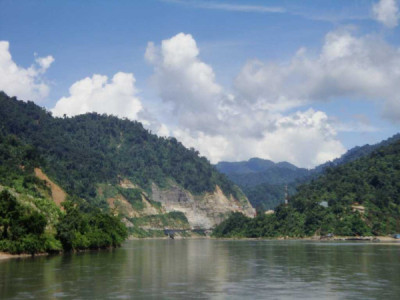
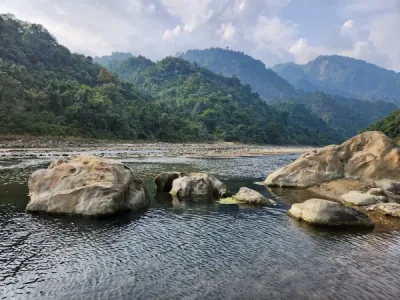
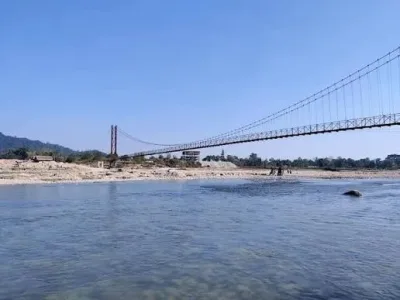
The forest is bordered by the Siang, Dibang, and Lohit river systems, which later merge into the mighty Brahmaputra River, while the southern boundary connects to the Dibru-Saikhowa National Park. On the northern side, the forest touches the foothills of Arunachal Pradesh, making it a natural bridge between multiple ecosystems of Northeast India.
Poba Reserve Forest is considered one of the richest rainforests in Northeast India due to its dense vegetation and remarkable biodiversity. The forest is home to a wide variety of flora and fauna, including rare orchid species, making it an important destination for botanists, researchers, and nature lovers.
Wildlife and Biodiversity
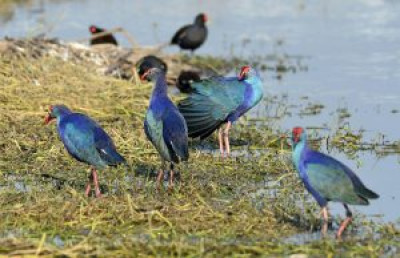
The forest supports diverse wildlife such as slow loris, capped langur, and wild boar, along with over 45 species of birds and reptiles. The river confluences around the forest also sustain a wide range of fish species, contributing to the ecological balance of the region.
One of the most important roles of Poba Reserve Forest is its function as a major elephant migration corridor. It connects the D' Ering Memorial Wildlife Sanctuary in Arunachal Pradesh with Kabu Chapri Proposed Reserve Forest and Dibru-Saikhowa National Park in Assam. This route is recognized as the second most important elephant migration corridor from the north bank to the south bank of the Brahmaputra River, after the Panpur–Kaziranga corridor.
Conservation Importance
Due to its ecological significance and increasing threats from deforestation, the Assam government has announced plans to upgrade Poba Reserve Forest into a Wildlife Sanctuary. Once notified, the protected area will cover 257.29 square kilometers, including surrounding riverine landscapes. This move aligns with the state government's focus on conservation and sustainable development and will increase the number of wildlife sanctuaries in Assam.
The forest is surrounded by revenue villages inhabited by indigenous communities such as Mising, Bodo, Sonowal Kachari, and Hajong, whose traditional lifestyles are closely connected with the forest ecosystem.
How to Reach Poba Reserve Forest
-
By Air: The nearest airport is Dibrugarh Airport, located around 150 km away. From there, taxis and buses are available to Jonai.
-
By Train: The nearest railway station is Dhemaji Railway Station. Jonai town is well connected by road from Dhemaji.
-
By Road: Poba Reserve Forest can be accessed via road from Dhemaji, Jonai, and Dibrugarh. Local transport is available from Jonai town.
Best Time to Visit
The best time to visit Poba Reserve Forest is from October to March, when the weather is pleasant and forest accessibility is better. The monsoon season should be avoided due to heavy rainfall and difficult terrain.
Where to Stay
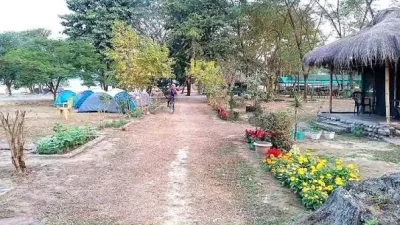
There are no luxury resorts inside the forest area. Visitors can stay in Jonai or Dhemaji, where basic hotels and guest houses are available. For better accommodation options, Dibrugarh offers a wider range of hotels and lodges.
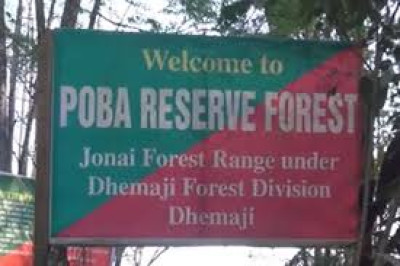
Poba Forest Festival: The Poba Forest Festival, locally known as Poba Barsharanya Mahotsav, is a unique eco-cultural festival to celebrate forest biodiversity, wildlife conservation, and sustainable community livelihoods. Held annually in the Poba Reserved Forest area of Jonai, this festival has emerged as an important platform for environmental awareness and eco-tourism promotion in Northeast India.
Quick Info Table on Poba Reserve Forest
| Details | Information |
|---|---|
| Name | Poba Reserve Forest |
| Location | Jonai subdivision, Dhemaji district, Assam |
| Established | 1924 |
| Area | 10,221 hectares |
| Forest Type | Dense Rainforest |
| Key Wildlife | Slow loris, capped langur, wild boar |
| Bird Species | 45+ species |
| Famous For | Orchids and elephant corridor |
| Nearest Town | Jonai |
| Proposed Status | Wildlife Sanctuary |
FAQs on Poba Reserve Forest