In Depth
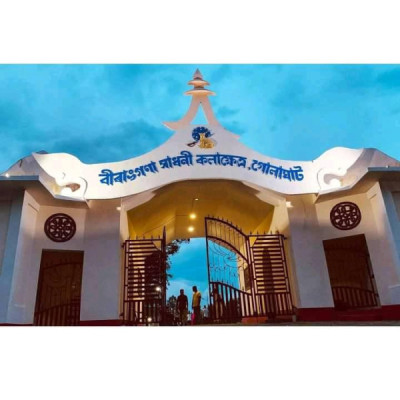
While Kaziranga National Park is globally famous for its one-horned rhinoceros, the Orchid and Biodiversity Park adds a rich cultural and botanical dimension to the region. Assam is one of the richest orchid-growing regions in the world, and this park beautifully showcases that natural heritage.
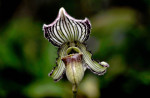
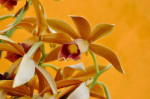
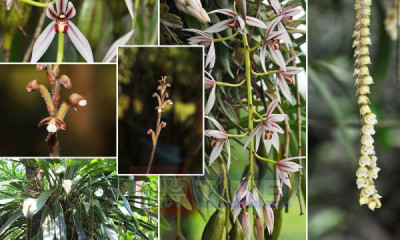
The park houses over 600 species of wild orchids collected from across Northeast India, including many rare and indigenous varieties found only in Assam. These orchids are preserved in natural surroundings and greenhouses to recreate their wild habitat, allowing visitors to experience them in an authentic ecological setting. Globally, there are around 35,000 orchid species, with 1,314 species in India, and remarkably, about 850 varieties are found in Northeast India, of which over 400 are native to Assam alone.
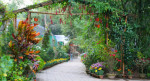
Beyond orchids, the biodiversity park also features 132 species of sour fruits and leafy vegetables, 46 species of bamboo, 12 species of cane, native medicinal plants, indigenous fish species, and a dense forest area filled with native trees. Dedicated sections such as a medicinal plant garden, rice museum, seed bank, and local fruit and flower gardens highlight traditional farming practices and endangered crop varieties.
Cultural heritage is equally celebrated here. Visitors can enjoy traditional Assamese dance and folk performances, explore the Indigenous Musical Instrument Museum, and visit product distribution centres showcasing local crafts and produce. The park also serves as an educational hub, spreading awareness about biodiversity loss and the importance of conservation.
The Kaziranga Orchid and Biodiversity Park was established with two key objectives: preservation of rare orchid species and public awareness about biodiversity conservation. Initiated by Krishak Mukti Sangram Samiti (KMSS), the park stands as a significant grassroots effort to protect what is gradually disappearing from the natural landscape of Northeast India.
How to Reach Kaziranga Orchid Park
-
By Road: The park is easily accessible from Kohora Chariali, the main entry point of Kaziranga National Park. It lies along NH-37 (now NH-715) and is well connected by taxis and local transport.
-
By Rail: The nearest railway station is Furkating Junction, approximately 75 km away.
-
By Air: The nearest airport is Jorhat Airport, around 97 km from the park. Guwahati Airport is another major option, about 215 km away.
Best Time to Visit Kaziranga Orchid Park
-
March to April: Best season to witness orchids in full bloom. April also coincides with Assamese festivals like Bihu.
-
October to March: Ideal for tourists combining the visit with Kaziranga National Park safaris due to pleasant weather.
Where to Stay Near Kaziranga Orchid Park
Since the park is located close to Kohora, visitors can choose from a wide range of eco-resorts, jungle lodges, budget hotels, and luxury stays near Kaziranga National Park. Staying in Kohora allows easy access to wildlife safaris as well as the orchid park.
Contact details of Kaziranga Orchid Park
NH NO 37, Hatikhuli T.E., Durgapur, Golaghat District, Assam 785609
Phone: +91 9678413409, 8812812009, 7099310306, 8448298660, 9650687940
Quick Info Table on Kaziranga Orchid Park
| Information | Details |
|---|---|
| Location | Durgapur village, near Kohora, Assam |
| Distance from Kaziranga | Approx. 2 km |
| Area | Around 6 acres |
| Famous For | Largest orchid park in Northeast India |
| Orchid Species | 600+ wild orchid varieties |
| Best Time to Visit | March to April |
| Nearby Attraction | Kaziranga National Park |
| Established By | Krishak Mukti Sangram Samiti (KMSS) |
| Activities | Orchid viewing, museums, cultural shows |
| Ideal Visit Duration | 2 to 3 hours |
FAQ on Kaziranga Orchid Park
1. Where is Kaziranga Orchid and Biodiversity Park located?
It is located at Durgapur village, around 2 km from Kohora Chariali near Kaziranga National Park in Assam.
2. Why is Kaziranga Orchid Park famous?
It is the largest orchid park in Northeast India, housing over 600 species of wild orchids and rich biodiversity.
3. What is the best time to visit Kaziranga Orchid Park?
March to April is best for orchid blooms, while October to March is ideal for general tourism.
4. Is Kaziranga Orchid Park worth visiting?
Yes, it offers a unique blend of orchids, biodiversity conservation, museums, and cultural performances.
5. How many orchid species are found in the park?
The park conserves more than 600 species of wild orchids from Northeast India.
6. Is there an entry fee for Kaziranga Orchid Park?
Yes, entry fees vary for locals, Indian tourists, and foreign nationals, with additional camera charges.
7. Are cultural shows available inside the park?
Yes, traditional Assamese dance and folk performances are regularly organised.
8. Who established Kaziranga Orchid and Biodiversity Park?
The park was launched by Krishak Mukti Sangram Samiti (KMSS).
9. Can Kaziranga Orchid Park be visited with Kaziranga safari?
Yes, it is located very close to the Kaziranga National Park entry point at Kohora.
10. What other attractions are inside the park?
Medicinal plant gardens, rice museum, seed bank, bamboo and cane sections, and indigenous fish species.