Detailed Notes
Who Was Jyoti Prasad Agarwala?
Born on June 17, 1903, Jyoti Prasad Agarwala was a multifaceted genius - a poet, playwright, songwriter, filmmaker, composer, and freedom fighter - whose passion and dedication helped shape modern Assamese culture. Revered as Rupkonwar (literally "Jewel of Art"), he directed the first Assamese film Joymoti (1935) and penned hundreds of songs and literary works that remain central to Assam’s artistic heritage.
Why Silpi Divas Is Celebrated?
-
To Honor His Creative Legacy: The day recognizes Agarwala's pioneering work in cinema, music, theatre, and literature.
-
Cultural Inspiration: It encourages cultural awareness and motivates new generations to preserve and celebrate Assamese artistic traditions.
-
Tribute to an Icon's Life and Vision: Communities pay homage to his life - both his artistic achievements and his role in India’s freedom movement.
How Is It Celebrated?
Every year on January 17, educational institutions, cultural organizations, and government bodies organize events that include:
-
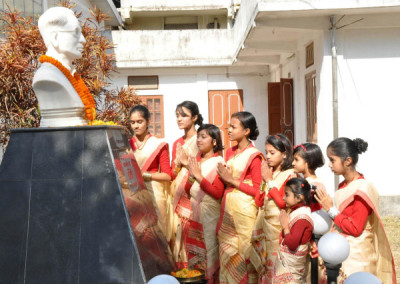
Floral tributes and lamp-lighting ceremonies at Agarwala’s portraits and statues.
-
Cultural programs featuring performances of his compositions (Jyoti Sangeet).
-
Seminars, essay competitions, and music contests promoting his artistic influence.
-
Public gatherings and community celebrations that engage people of all ages.
Silpi Divas is more than a memorial day — it is a living tribute that keeps the spirit of Assamese art and culture vibrant among communities throughout the state.