Life & Legacy
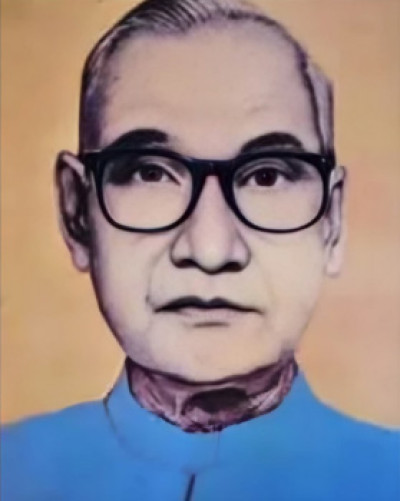
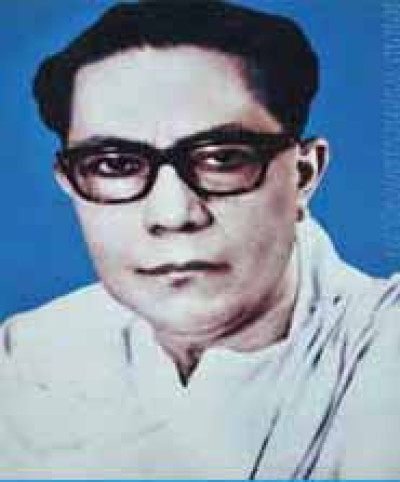
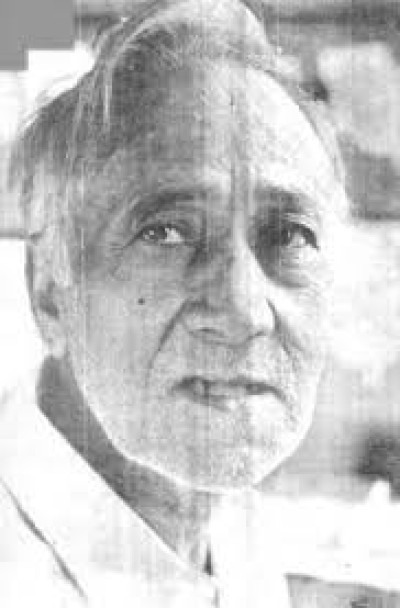
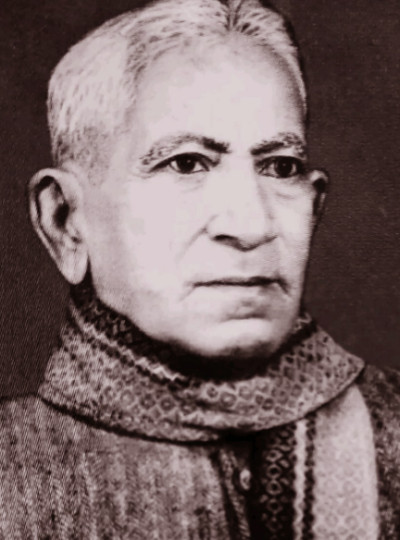
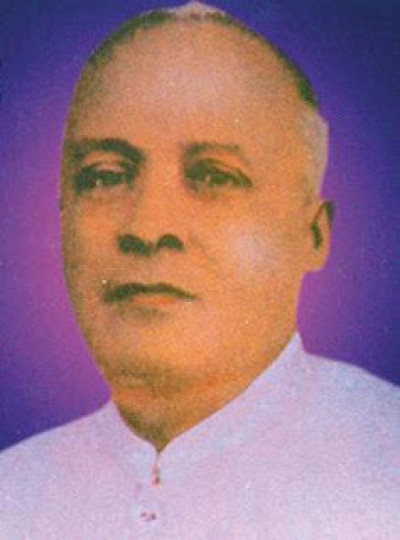
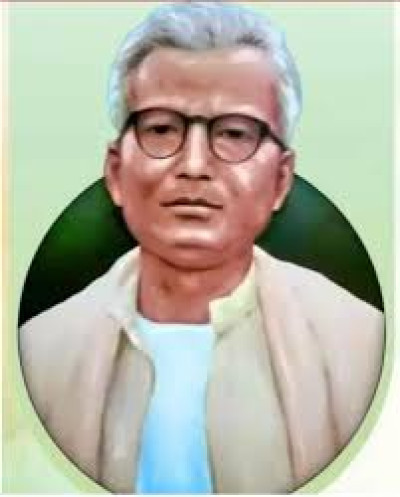
Rupkonwar Jyoti Prasad Agarwala Biography
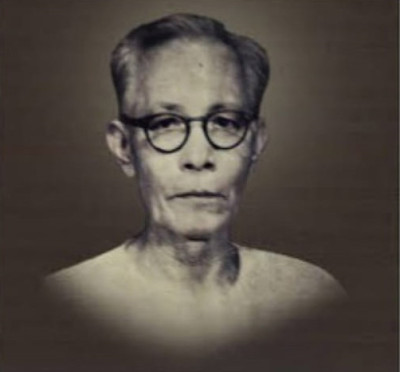
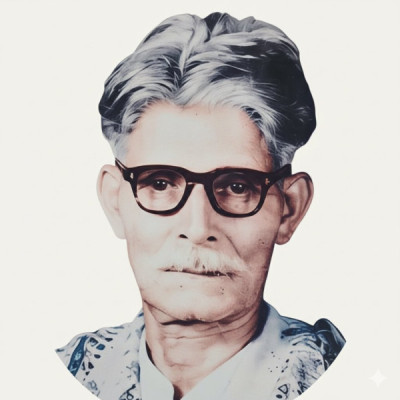
Popularly honoured with the title "Rupkonwar," meaning "Prince of Beauty," Jyoti Prasad Agarwala was far more than a literary genius. He believed that art should serve society by awakening national consciousness, preserving Assamese identity and encouraging social progress. Every poem, song, drama and film created by him reflected his love for Assam, its people and its rich cultural heritage.
Among his many accomplishments, he is best known as the father of Assamese cinema for producing and directing "Joymoti" in 1935, the first Assamese feature film. At a time when filmmaking was still in its infancy in India, he dared to establish an entirely new artistic movement in Assam. His determination, creativity and willingness to take financial risks laid the foundation of the Assamese film industry that continues to flourish today.
Besides cinema, Jyoti Prasad Agarwala also enriched Assamese literature and music. His timeless compositions, collectively known as "Jyoti Sangeet," remain an integral part of Assam's cultural identity. His songs combine beautiful melodies with meaningful lyrics that celebrate nature, patriotism, humanity and the spirit of Assam. Even decades after his passing, these compositions continue to be performed during cultural programmes, educational events and public celebrations throughout the state.
His contribution extended beyond the arts. As an active participant in India's freedom movement, he firmly believed that political independence and cultural renaissance should progress together. His life demonstrated that creativity and patriotism could work hand in hand to inspire social transformation.
Today, Rupkonwar Jyoti Prasad Agarwala is remembered as one of the greatest architects of modern Assamese culture whose influence reaches far beyond literature, music and cinema.
Early Life of Rupkonwar Jyoti Prasad Agarwala
Jyoti Prasad Agarwala was born on 17 June 1903 at Tamulbari Tea Estate in present-day Dibrugarh district of Assam. He belonged to a respected Agarwala family that valued education, culture and public service. His father, Paramananda Agarwala, was a successful tea planter and businessman, while his mother, Kiranmayee Agarwala, played an important role in nurturing his artistic interests from an early age.
Although the Agarwala family originally traced its roots to the Marwar region of Rajasthan, they had settled in Assam generations earlier and became deeply connected with Assamese language, traditions and society. Jyoti Prasad embraced Assam as his homeland and devoted his entire life to preserving and promoting its unique cultural identity.
From childhood, he displayed exceptional curiosity, creativity and intelligence. He enjoyed reading literature, listening to music, observing nature and participating in cultural activities. Family members recognised his remarkable imagination and encouraged him to pursue his artistic interests.
Growing up amidst the lush tea gardens and natural beauty of Assam left a lasting impression on his personality. The rivers, forests, hills and villages that surrounded him later became recurring themes in his songs, poems and literary works.
Education and Intellectual Development
Jyoti Prasad Agarwala began his formal education in Assam and later attended Tezpur Government High School, where he excelled academically while actively participating in literary and cultural programmes. Even during his student years, he showed extraordinary talent in writing poetry and short plays.
After completing his matriculation, he pursued higher studies at the National College in Calcutta. During this period, he came into close contact with leading thinkers, writers and nationalist leaders whose ideas greatly influenced his outlook on society, politics and culture.
Determined to broaden his knowledge, he later travelled to the United Kingdom and enrolled at The University of Edinburgh, where he studied economics. His years abroad exposed him to modern literature, theatre, music and cinema. Rather than limiting himself to academic studies, he explored various forms of artistic expression and observed how films could educate, entertain and inspire society.
His passion for cinema eventually led him to Germany, where he underwent practical training in filmmaking at one of Europe's leading film studios. There, he gained valuable knowledge about direction, cinematography, editing, sound recording and production techniques. These experiences equipped him with the skills needed to introduce professional filmmaking to Assam upon his return.
A Visionary Artist with a Mission
Unlike many artists who pursued fame or commercial success, Jyoti Prasad Agarwala believed that creativity should contribute to the progress of society. He viewed literature, music, theatre and cinema as powerful tools for preserving Assamese identity, promoting social harmony and awakening patriotic feelings among the people.
His artistic philosophy combined traditional Assamese values with modern ideas. He respected the cultural heritage of Assam while encouraging innovation and creative experimentation. This unique balance enabled him to create works that were both timeless and progressive.
He encouraged young people to appreciate their mother tongue, celebrate indigenous traditions and remain proud of Assam's rich cultural legacy. Through his writings and public speeches, he repeatedly stressed the importance of education, social responsibility and national unity.
Beginning of His Literary Journey
Jyoti Prasad Agarwala started writing at a remarkably young age. His early poems, stories and dramatic works revealed extraordinary maturity and a deep understanding of human emotions. As his literary career progressed, he became one of the most respected writers in Assamese literature.
His works explored a wide range of themes, including patriotism, love, sacrifice, social justice, human dignity and the beauty of nature. His language was elegant yet accessible, allowing readers from different backgrounds to connect with his ideas.
In addition to poetry, he wrote memorable plays, essays, short stories and songs that enriched Assamese literature. Many of these works continue to be studied in educational institutions and performed on cultural stages throughout Assam.
His literary achievements established him as one of the leading cultural figures of the twentieth century, long before he revolutionised Assamese cinema.
The Birth of a Cultural Pioneer
By the early 1930s, Jyoti Prasad Agarwala had developed a clear vision for Assam's cultural future. He believed that the Assamese language deserved world-class literature, meaningful music and a vibrant film industry capable of reflecting the aspirations of its people.
Instead of waiting for others to bring change, he decided to create that change himself. This determination would eventually lead to the birth of Assamese cinema, the growth of modern Assamese music and a cultural renaissance that continues to influence the state even today.
His lifelong commitment to artistic excellence, social responsibility and national service earned him the affectionate title "Rupkonwar," a name that remains synonymous with creativity, beauty and cultural pride across Assam.
While Jyoti Prasad Agarwala is widely celebrated for his extraordinary contributions to literature, music and cinema, his role in India's freedom struggle was equally significant. From a young age, he was deeply influenced by the ideals of Mahatma Gandhi and other nationalist leaders who inspired millions of Indians to fight against British colonial rule.
During his student years, he actively participated in the Non-Cooperation Movement and later supported the Civil Disobedience Movement. He believed that true freedom was not limited to political independence but also included cultural self-respect, education and social reform. His speeches, writings and artistic creations reflected these ideals, encouraging people to take pride in their language, traditions and national identity.
His active participation in the freedom movement led to his imprisonment by the British authorities. He spent nearly fifteen months in jail and was also fined for his involvement in anti-colonial activities. Despite these hardships, he never abandoned his commitment to the nation's cause. Instead, the experience strengthened his determination to serve Assam and India through both activism and creative expression.
The Dream of Assamese Cinema
After returning to Assam from Europe, Jyoti Prasad Agarwala realised that cinema had the power to educate, inspire and preserve cultural heritage. At a time when the Indian film industry was still developing and Assam had no film infrastructure, he envisioned creating a professional Assamese film industry that would showcase the state's history, traditions and values.
Determined to turn his vision into reality, he invested his personal resources in establishing Chitraban Studio at Bholaguri Tea Estate near Tezpur. This ambitious project became the birthplace of Assamese filmmaking. The studio was equipped with facilities that were remarkable for its time, allowing the production of films within Assam itself.
His decision required enormous financial sacrifice. He invested much of his family wealth into the project because he believed that Assamese cinema would become an important medium for preserving the language and culture of future generations.
Joymoti - The First Assamese Feature Film
One of Jyoti Prasad Agarwala's greatest achievements was the production and direction of Joymoti, released in 1935. Widely recognised as the first Assamese feature film, Joymoti marked the beginning of a new era in the cultural history of Assam.
The film was based on the inspiring story of Sati Joymoti, a courageous Ahom princess who sacrificed her life to protect her husband and preserve the future of the Ahom kingdom. Through this historical narrative, Jyoti Prasad highlighted themes of courage, sacrifice, patriotism and moral strength.
Creating Joymoti was an enormous challenge. At that time, Assam lacked trained actors, experienced technicians and modern filmmaking equipment. Jyoti Prasad personally supervised almost every aspect of production, including scriptwriting, direction, music, casting and overall coordination.
Although the film did not achieve commercial success during its initial release, its artistic and historical significance has grown immensely over time. Today, Joymoti is regarded as one of the most important milestones in Indian regional cinema and remains a source of immense pride for Assam.
Indramalati - Continuing the Cinematic Journey
Following the pioneering success of Joymoti, Jyoti Prasad Agarwala directed Indramalati, released in 1939. The film is recognised as the second Assamese feature film and further demonstrated his commitment to developing the regional film industry.
Unlike Joymoti, which focused on historical themes, Indramalati explored contemporary social issues and human relationships. The film reflected changing social values while maintaining strong cultural roots.
Through Indramalati, Jyoti Prasad proved that Assamese cinema could successfully present a variety of subjects while remaining deeply connected to local traditions and values. His innovative storytelling, meaningful dialogues and emotional depth established new standards for filmmakers who followed.
Both Joymoti and Indramalati continue to occupy a respected place in the history of Indian cinema and are regarded as pioneering achievements in Assamese filmmaking.
The Creation of Jyoti Sangeet
In addition to cinema, Jyoti Prasad Agarwala made an extraordinary contribution to Assamese music through the creation of Jyoti Sangeet. This unique musical tradition consists of hundreds of songs that combine poetic beauty with memorable melodies.
His compositions celebrate themes such as love, patriotism, humanity, nature, hope and social harmony. Many songs also reflect Assam's rivers, hills, forests and cultural traditions, making them deeply meaningful to Assamese audiences.
Unlike conventional songs of the period, Jyoti Sangeet blended Indian classical influences with Assamese folk traditions and selected Western musical elements that he had encountered during his travels abroad. This creative fusion gave his music a distinctive identity that remains popular even today.
His songs continue to be performed in schools, colleges, universities, cultural festivals, radio broadcasts and public functions across Assam. Several generations of renowned Assamese singers have recorded and performed Jyoti Sangeet, ensuring that his musical legacy remains alive.
Literary Contributions
Jyoti Prasad Agarwala was one of the most versatile literary figures in Assamese history. His writings covered a wide range of genres, including poetry, drama, essays, songs, children's literature and short stories.
His literary works explored themes such as patriotism, social justice, equality, human dignity, cultural identity and national awakening. He possessed a remarkable ability to combine emotional depth with philosophical thought, making his writings both intellectually stimulating and emotionally moving.
Among his well-known dramatic works are Karengar Ligiri, Lobhita and Rupalim, which continue to be performed by theatre groups throughout Assam. His plays are admired for their strong characters, meaningful dialogues and progressive social messages.
His writings encouraged readers to value education, preserve Assamese culture and contribute positively to society. Many of his works remain part of academic curricula and continue to influence students and scholars alike.
Journalism and Public Awareness
Jyoti Prasad Agarwala also recognised the importance of journalism as a medium for social transformation. Through newspapers, articles and public writings, he promoted education, national consciousness and cultural awareness among the people of Assam.
His published works addressed issues affecting society while encouraging readers to think critically about the future of the nation. He firmly believed that an informed society would be better equipped to protect its cultural heritage and democratic values.
His contributions to journalism complemented his achievements in literature, music and cinema, making him one of the most influential public intellectuals of twentieth-century Assam.
Personal Life and Family
In 1936, Jyoti Prasad Agarwala married Devajani Bhuyan, who remained a constant source of support throughout his creative journey. Despite the financial challenges associated with filmmaking and cultural work, the family stood firmly beside him as he pursued his vision for Assamese society.
His personal life reflected the same simplicity, humility and dedication that characterised his public career. He remained approachable, disciplined and deeply committed to serving society through creative expression rather than personal wealth or recognition.
Unfortunately, his later years were affected by serious health problems. Despite continuing to write and contribute to Assamese culture, his health gradually deteriorated due to cancer.
On 17 January 1951, Jyoti Prasad Agarwala passed away at the age of just 47 years. Although his life was relatively short, his contributions transformed the cultural history of Assam forever.
A Cultural Revolutionary
Few individuals have influenced Assam's cultural identity as profoundly as Rupkonwar Jyoti Prasad Agarwala. Through literature, cinema, theatre, journalism and music, he demonstrated that art could educate society, strengthen national identity and inspire positive social change.
His work established the foundation upon which modern Assamese cinema, literature and music continue to flourish. Every generation of artists, filmmakers, writers and musicians in Assam remains indebted to the path he created through his vision, courage and extraordinary creativity.
His legacy is not limited to artistic excellence; it also represents the enduring values of patriotism, cultural pride, innovation and public service that continue to define his place in the history of Assam.
Legacy and Lasting Influence
Rupkonwar Jyoti Prasad Agarwala left behind a legacy that extends far beyond literature, music and cinema. His vision transformed Assam's cultural landscape and inspired generations of artists, writers, musicians, filmmakers and social reformers. He believed that art should educate society, strengthen national identity and preserve cultural heritage, a philosophy that continues to influence Assamese culture today.
Even decades after his passing, his songs are performed in schools and cultural festivals, his plays are staged by theatre groups, and his films are studied by students of cinema and history. His writings continue to inspire young minds with messages of patriotism, humanity, equality and love for one's motherland.
For the people of Assam, Jyoti Prasad Agarwala is not remembered only as an artist but as a visionary who demonstrated that creativity could become a powerful force for social change. His contributions remain an inseparable part of Assam's identity and continue to guide future generations.
Awards, Honours and Memorials
Although many of Jyoti Prasad Agarwala's greatest achievements came during his lifetime, numerous honours have been dedicated to his memory after his passing.
One of the most significant tributes is the establishment of Jyoti Chitraban Film Studio, located near Guwahati. Established by the Government of Assam in 1961, it became India's first government-owned film studio and continues to play an important role in the development of Assamese cinema.
Every year on 17 January, Assam observes Silpi Divas (Artists' Day) to commemorate his death anniversary. Educational institutions, cultural organisations, artists and government bodies organise programmes, seminars, music performances, drama festivals and exhibitions to honour his remarkable contributions.
His birth anniversary is also celebrated across Assam through literary discussions, cultural events and educational programmes that introduce younger generations to his extraordinary life and achievements.
Numerous roads, auditoriums, educational institutions, cultural centres and public organisations throughout Assam have been named after him, ensuring that his memory remains alive in public life.
Contribution to Assamese Literature
Jyoti Prasad Agarwala occupies a distinguished place among the greatest literary figures of Assam. His literary works introduced fresh ideas, refined language and progressive thinking to Assamese literature.
He wrote poetry filled with emotional depth, philosophical reflection and patriotic spirit. His dramatic works explored social issues, historical events and moral values while presenting memorable characters and meaningful dialogues.
His essays encouraged readers to appreciate education, social responsibility and Assamese identity. Through children's literature and short stories, he inspired young readers to develop compassion, honesty and love for their homeland.
His writings continue to be included in academic curricula, making him one of the most studied authors in Assamese literature.
Contribution to Assamese Music
The musical legacy of Rupkonwar Jyoti Prasad Agarwala remains one of his greatest achievements. His compositions, collectively known as Jyoti Sangeet, revolutionised modern Assamese music.
These songs beautifully combine meaningful lyrics with melodious compositions inspired by Assamese folk traditions, Indian classical music and selected Western influences. His music celebrates love, patriotism, spirituality, nature and human values.
More than three hundred songs are associated with Jyoti Sangeet, many of which continue to be sung by leading Assamese artists. These compositions remain an essential part of school competitions, cultural festivals, radio broadcasts, television programmes and public celebrations.
Even today, Jyoti Sangeet serves as a bridge connecting modern generations with Assam's rich cultural heritage.
Why Jyoti Prasad Agarwala Is Called the Father of Assamese Cinema?
Jyoti Prasad Agarwala is widely recognised as the Father of Assamese Cinema because he established the foundation of the Assamese film industry at a time when no such infrastructure existed in the region.
By producing and directing Joymoti in 1935, he introduced professional filmmaking to Assam. He handled scriptwriting, direction, music, production and overall creative supervision, demonstrating extraordinary dedication despite limited resources.
His efforts inspired future filmmakers to produce Assamese-language films that reflected local culture, traditions and history. The success of his pioneering work eventually led to the growth of an independent Assamese film industry that continues to flourish today.
Without his vision, courage and financial sacrifice, the history of Assamese cinema would have been very different.
Interesting Facts About Rupkonwar Jyoti Prasad Agarwala
- He was born on 17 June 1903 at Tamulbari Tea Estate in present-day Dibrugarh district, Assam.
- He is affectionately known as Rupkonwar, meaning "Prince of Beauty."
- He directed Joymoti (1935), the first Assamese feature film.
- He established Chitraban Studio, laying the foundation for Assamese filmmaking.
- He travelled to Europe to study filmmaking and modern theatre techniques.
- He actively participated in India's freedom movement and was imprisoned by the British.
- His musical compositions are collectively known as Jyoti Sangeet.
- He wrote numerous poems, plays, essays and songs that enriched Assamese literature.
- Assam observes Silpi Divas every year on 17 January in his memory.
- His influence continues to shape Assamese cinema, music, literature and theatre.
Relevance in Modern Assam
The ideas promoted by Jyoti Prasad Agarwala remain highly relevant in today's society. His emphasis on education, creativity, cultural preservation, social harmony and patriotism continues to inspire individuals across different generations.
Students study his literary works to understand Assamese language and culture. Filmmakers look to his pioneering achievements as the foundation of regional cinema. Musicians continue performing Jyoti Sangeet to preserve Assam's musical traditions, while theatre groups regularly stage his plays.
His life demonstrates that genuine leadership is built upon vision, dedication and service rather than personal recognition. In an era of rapid modernisation, his work reminds society of the importance of preserving cultural identity while embracing progress.
Conclusion
Rupkonwar Jyoti Prasad Agarwala was one of the greatest cultural visionaries in the history of Assam. As a filmmaker, poet, playwright, music composer, freedom fighter and social reformer, he transformed the artistic and intellectual landscape of the state through his extraordinary talent and unwavering dedication.
His pioneering efforts established Assamese cinema, enriched Assamese literature, created the timeless tradition of Jyoti Sangeet and inspired countless people to preserve their language and culture. His commitment to India's freedom movement further demonstrated that artistic excellence and patriotism could work together to create lasting social change.
Today, his legacy lives on through his films, songs, literary works and the countless institutions that continue to honour his memory. Rupkonwar Jyoti Prasad Agarwala remains an enduring symbol of creativity, courage, cultural pride and national service whose influence will continue to inspire generations to come.
Frequently Asked Questions (FAQs)
1. Who was Rupkonwar Jyoti Prasad Agarwala?
Rupkonwar Jyoti Prasad Agarwala was a renowned Assamese filmmaker, poet, playwright, music composer, freedom fighter and cultural icon who is regarded as the father of Assamese cinema.
2. Why is Jyoti Prasad Agarwala called Rupkonwar?
He was honoured with the title "Rupkonwar," meaning "Prince of Beauty," because of his extraordinary contributions to Assamese art, literature and culture.
3. When and where was Jyoti Prasad Agarwala born?
He was born on 17 June 1903 at Tamulbari Tea Estate in present-day Dibrugarh district, Assam.
4. Which was the first Assamese film directed by Jyoti Prasad Agarwala?
He directed "Joymoti," released in 1935, which is recognised as the first Assamese feature film.
5. What is Jyoti Sangeet?
Jyoti Sangeet refers to the collection of songs written and composed by Jyoti Prasad Agarwala, forming one of the most treasured traditions in Assamese music.
6. Did Jyoti Prasad Agarwala participate in India's freedom movement?
Yes. He actively participated in the Indian freedom movement, supported Gandhian ideals and was imprisoned by the British for his nationalist activities.
7. Why is Silpi Divas celebrated in Assam?
Silpi Divas is observed every year on 17 January to commemorate the death anniversary of Rupkonwar Jyoti Prasad Agarwala and honour his immense contributions to Assamese art and culture.
8. What are the major literary works of Jyoti Prasad Agarwala?
His notable literary works include plays such as Karengar Ligiri, Lobhita and Rupalim, along with numerous poems, essays and songs.
9. Why is Jyoti Prasad Agarwala important in Assamese culture?
He laid the foundation of Assamese cinema, enriched Assamese literature and music, promoted the Assamese language and inspired cultural pride through his lifelong contributions.
10. What is the legacy of Rupkonwar Jyoti Prasad Agarwala?
His legacy lives on through Assamese cinema, Jyoti Sangeet, literature, theatre, educational institutions and the annual celebration of Silpi Divas, making him one of Assam's greatest cultural icons.