Detailed Notes
The arrival of Islam in Assam began during the 13th to 16th centuries through trade, missionary activity, and military expeditions. Over time, mosques and dargahs were built not only as places of prayer but also as hubs for education, charity, and cultural exchange. Today, Assam's historic masjids attract both devotees and travelers interested in religious tourism, heritage exploration, and architectural history.
Historic and Oldest Mosques in Assam
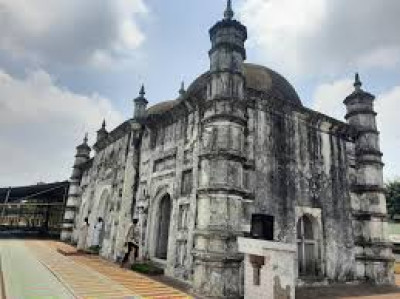
One of the most significant Islamic landmarks in Assam is Panbari Masjid, also known as the Rangamati Mosque, located near Dhubri. Built during the late 15th or early 16th century under the patronage of Sultan Alauddin Hussain Shah of Bengal, Panbari Masjid is widely regarded as the oldest mosque in Assam. Constructed using stone blocks and traditional Islamic arches, it stands as a powerful reminder of early Muslim settlements in the Brahmaputra Valley and the spread of Islamic culture into Northeast India.
Another major spiritual site is Ajan Pir Dargah in Sivasagar. Dedicated to the revered Sufi saint Ajan Fakir, also known as Shah Miran, this shrine holds immense importance in Assamese Islamic tradition. Ajan Pir played a vital role in spreading Islamic teachings through peaceful means and cultural integration. His dargah remains a prominent pilgrimage site where devotees gather to seek blessings, especially during Urs festivals and special religious observances.
Other Famous Mosques and Dargahs in Assam
Panchpeer Dargah, located in Dhubri, is another spiritually significant Islamic site in Assam. According to local tradition, the shrine commemorates five Sufi saints whose teachings helped strengthen Islamic faith and harmony in the region. The dargah draws large numbers of pilgrims and reflects the deep-rooted Sufi influence in Assam's religious landscape.
In Guwahati, Assam's largest city and capital of the state, Rajdhani Masjid stands as one of the most prominent modern mosques. Located in Dispur, the administrative heart of the state, this mosque serves thousands of worshippers and plays an active role in community service, education, and social outreach programs.
Another important historical mosque in Guwahati is Burha Jame Masjid, known for its traditional Islamic architecture and long-standing role in local Muslim religious life. The mosque is especially active during Friday prayers, Ramadan, and Eid celebrations, attracting worshippers from across the city.
Barpeta Town Jama Masjid, situated in Barpeta district, is among the most respected mosques in Lower Assam. It functions as a central religious institution for surrounding communities and has long been associated with Islamic learning, social welfare activities, and spiritual gatherings.
Cultural and Architectural Importance
The mosques of Assam represent a unique fusion of Islamic architectural forms with local Assamese construction styles. Unlike large Mughal structures found in North India, many mosques in Assam feature modest stone masonry, curved arches, domed prayer halls, and open courtyards designed to suit the region's climate and materials. Several mosques are located near rivers, hills, or forested areas, enhancing their spiritual ambiance.
These sacred structures are not only places of worship but also living heritage sites that preserve centuries of religious traditions, community values, and historical narratives. Many mosques continue to serve as centers for Islamic education, charitable work, and interfaith harmony across Assam.
Religious Tourism and Spiritual Significance
Famous mosques and dargahs in Assam attract pilgrims, scholars, and tourists throughout the year. Visitors come to explore early Islamic history in Northeast India, learn about Sufi traditions, and witness the peaceful coexistence of different faiths in the region. Destinations such as Panbari Masjid and Ajan Pir Dargah are particularly popular among heritage travelers and spiritual seekers alike.
During important occasions such as Ramadan, Eid-ul-Fitr, Eid-ul-Adha, and Urs festivals, these mosques witness large gatherings of devotees. Many sites also host Quran recitations, religious discourses, and cultural programs that strengthen communal bonds and preserve Islamic traditions.
Why Famous Mosques in Assam Matter
The historic masjids of Assam highlight the region's long-standing connection with Islamic civilization and its role in shaping the social fabric of Northeast India. From medieval Sultanate-era mosques to modern urban prayer centers, these religious landmarks reflect centuries of faith, resilience, and cultural exchange.
Exploring Assam's famous mosques offers valuable insights into the state's religious diversity, architectural evolution, and spiritual heritage. Whether you are a pilgrim, historian, traveler, or student of culture, these sacred sites provide a meaningful connection to Assam's Islamic past and vibrant present.
Summary of Famous Mosques in Assam
-
Panbari Masjid (Rangamati Mosque), Dhubri : Nh 31, Pachimrangamati Pahar, Rangamati, Dhubri - 783339 Alomganj Pt. Vii, Rangamati, Dhubri- 783339

-
Ajan Pir Dargah, Sivasagar : Dekhowmukh - 785664, Sivasagar, Assam.

-
Panchpeer Dargah, Dhubri : Ward No. 1, Boro Bazar, Dhubri, Assam 783301

-
Rajdhani Masjid, Dispur, Guwahati : Behind MLA Hostel, Hatigaon Bhetapara Road, Dispur, Guwahati - 781006, Assam

-
Burha Jame Masjid, Guwahati : GNB Rd, Ambari, Guwahati, Assam 781003

-
Barpeta Town Jama Masjid, Barpeta : Barpeta-Mandia Road, Pachali, Barpeta, Assam 781301

Together, these mosques represent Assam's enduring Islamic legacy and continue to inspire devotion, scholarship, and cultural understanding across generations.