In Depth
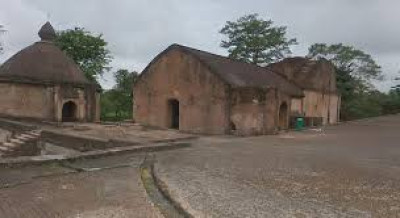
Ajan Pir Dargah, located at Saraguri Chapori near Sivasagar in Assam, is one of the most important spiritual and cultural landmarks of North East India. This sacred shrine was built in memory of Hazrat Shah Miran (R.A.), popularly known as Ajan Fakir or Azan Pir, a legendary Sufi saint, poet, and Islamic reformer of the 17th century. The dargah stands as a symbol of religious harmony, spiritual devotion, and Assam long tradition of cultural assimilation.
Historical Background of Ajan Pir Dargah
Ajan Fakir was born as Shah Miran, also known by names such as Hazrat Shah Miran, Shah Milan, and Azan Pir. He came to Assam in the 17th century from Baghdad, though some family traditions also trace his origin to Badaun in present-day Uttar Pradesh. He arrived in Assam around 1630 AD, nearly two centuries after the birth of Srimanta Sankardeva.
Ajan Fakir settled in the Sivasagar region, then part of the Ahom kingdom, and played a vital role in unifying the people of the Brahmaputra Valley. He worked tirelessly to reform, reinforce, and stabilize Islam in Assam while maintaining harmony with local traditions. His liberal Sufi teachings gave Assamese Muslims a distinct cultural identity that continues to this day.
The name Azan Pir came from his habit of chanting Azan, the Islamic call to prayer. It is believed that he built a mosque at Sonpura near the Ahom capital Gargaon, where he regularly called for Namaz.
Contribution to Assamese Spiritual Literature
One of the most unique aspects of Ajan Fakir legacy is his contribution to Zikir and Zari, devotional songs composed in the Assamese language. Though Arabic was his native tongue, he mastered Assamese and used it to convey spiritual messages drawn from the Holy Quran, Hadith, and Islamic philosophy.
Tradition states that he composed 160 Zikirs (Aath Kuri), of which around 90 are currently available. These compositions share strong similarities with the Borgeets of Srimanta Sankardeva, reflecting a shared spiritual ethos between Vaishnavism and Sufi Islam in Assam. His Zikirs continue to be sung across Assam and are studied by scholars and intellectuals.
Life, Trials, and Legacy
Despite his popularity, Ajan Fakir faced opposition. A Muslim official named Rupai Dadhora allegedly conspired against him and misled the Ahom king into believing that Ajan Fakir was acting against Islamic principles. According to tradition, this led to the tragic punishment of plucking out his eyes. Songs describe how the saint calmly placed his eyes into two earthen pots, showing extraordinary spiritual strength and devotion.
Even after this ordeal, Ajan Fakir continued preaching humanity, equality, and unity. He openly declared that he did not discriminate between Hindus and Muslims, stating that all humans are creations of the same Allah.
Discovery of the Dargah and Present Importance
The Mazar e Shareef of Hazrat Ajan Pir is located at Saraguri Chapori, close to the banks of the Brahmaputra River near Dikhow Mukh. The site was rediscovered around 1930, and since then, its importance has steadily grown. From 1947 onwards, devotees from different parts of India began visiting the dargah in large numbers.
An annual Urs is held at the dargah, attracting thousands of devotees from both Hindu and Muslim communities. The Urs is a powerful display of communal harmony, where people come together to honor the saint teachings and legacy.
Location and Address
How to Reach Ajan Pir Dargah
Best Time to Visit
The best time to visit Ajan Pir Dargah is between October and February, when the weather is pleasant and ideal for travel. The Urs festival is the most significant occasion to experience the spiritual atmosphere of the shrine.
Where to Stay
Visitors generally stay in Sivasagar town, which offers multiple accommodation options:
-
Budget hotels and lodges
-
Assam Tourism guest houses
-
Mid-range hotels near NH-37
Sivasagar also allows easy access to other historical sites of the Ahom era.
Entry Time and Fee
Entry Fee: Free
Visiting Hours: Open throughout the day (daytime visit recommended)
Quick Info Table on Ajan Pir Dargah, Sivasagar
FAQs on Ajan Pir Dargah, Sivasagar