Life & Legacy
Early Life
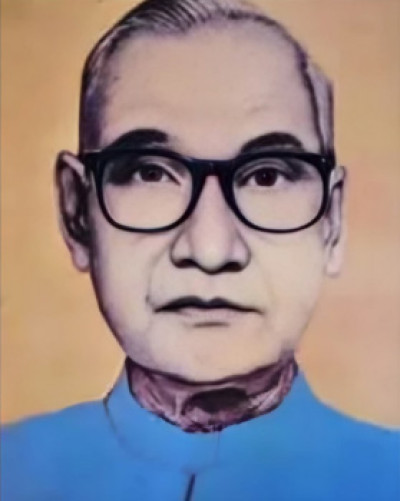
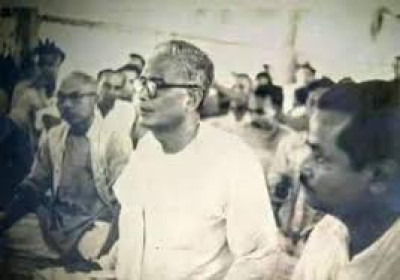
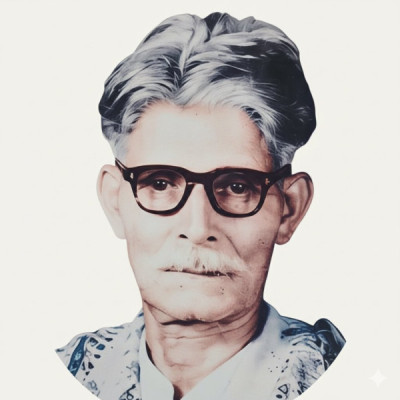
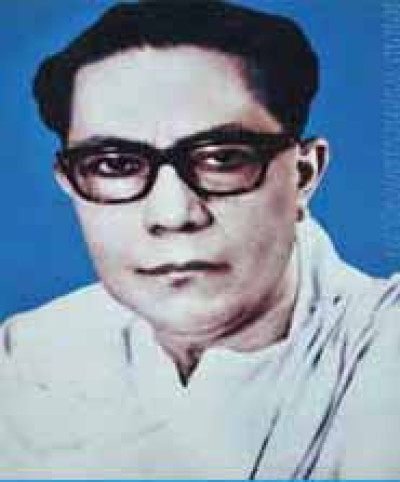
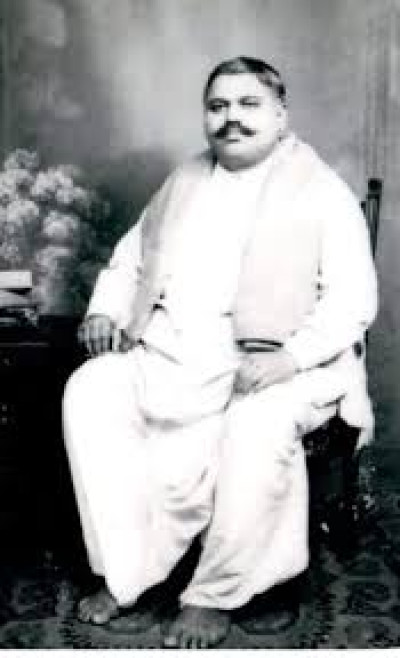
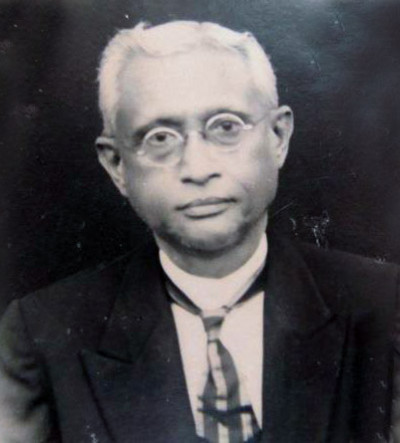
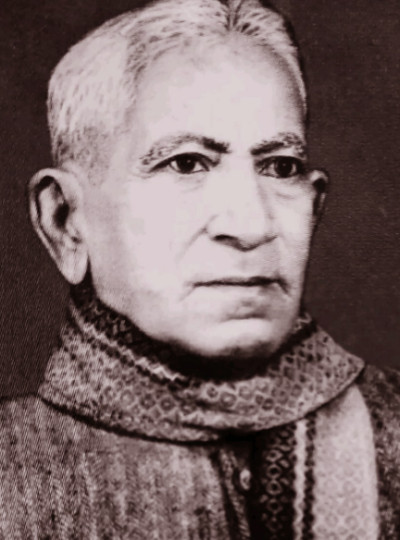
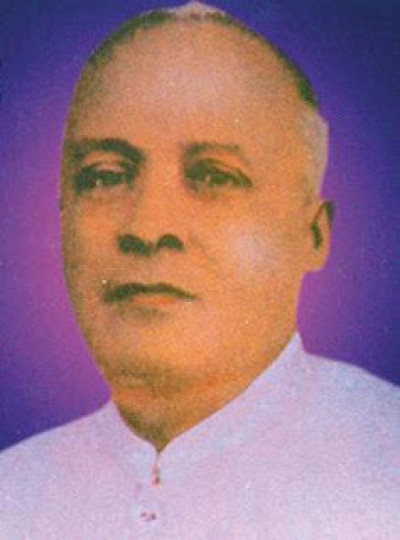
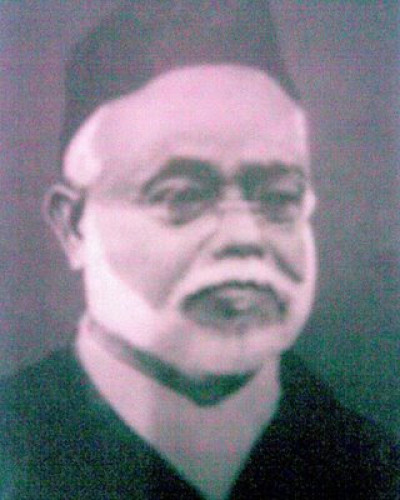
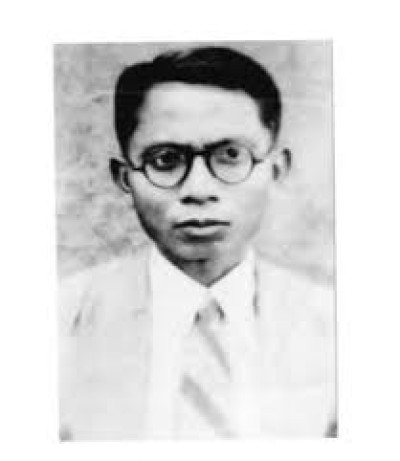
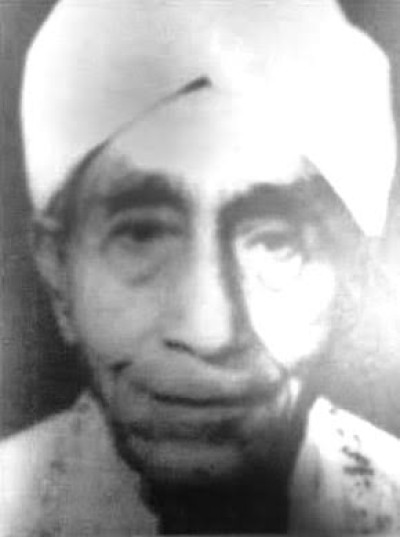
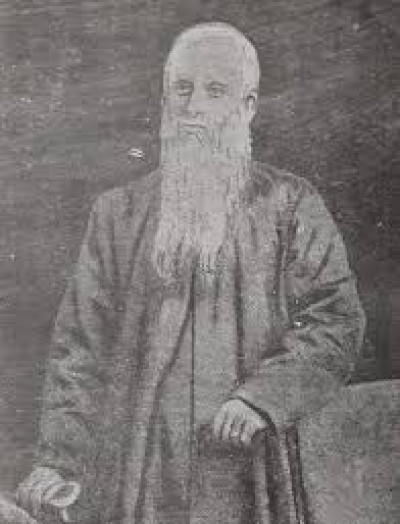
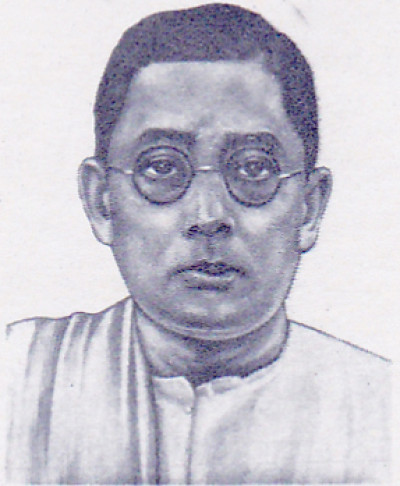
Jnanadabhiram Barua was born on 8 July 1880 at Fouzdaripatty in Nagaon, Assam. He was the son of the noted social reformer, writer and freedom fighter Gunabhiram Barua and Bishnupriya Devi. He also belonged to a distinguished literary family, being closely related to Assamese literary pioneer Anandaram Dhekial Phukan. Growing up in an intellectually rich environment inspired him to pursue literature, education and public service from an early age.
Education
He completed his early education in Nagaon before moving to Calcutta for higher studies. Later, he travelled to London, where he studied law and qualified as a barrister. His education in India and England helped shape his legal career while broadening his literary and social outlook.
Professional Career
After returning to India, Jnanadabhiram Barua established himself as a respected barrister. He later became the first Principal of the Government Law College in Assam (formerly Earl Law College), where he contributed to legal education in the state. Alongside his legal profession, he actively participated in India's freedom movement and remained involved in literary, educational and cultural activities throughout his life.
Positions Held
-
First Principal of Government Law College, Assam
-
Barrister
-
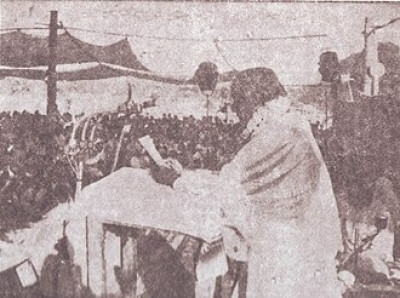
President of the Asam Sahitya Sabha (North Lakhimpur Session, 1933)
-
Freedom fighter and public intellectual
-
Prominent Assamese translator and dramatist
Literary Contributions
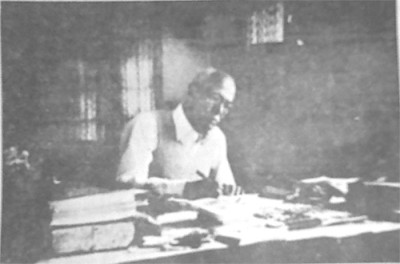
Jnanadabhiram Barua was a versatile author whose writings included plays, essays, travel writings, translations and autobiography. His literary works reflected Assamese society, culture and changing social values. One of his most important contributions was translating Lakshminath Bezbaroa's Burhi Aair Sadhu into English, helping introduce Assamese folklore to a wider audience.
His autobiography, Mor Katha, provides valuable insights into his personal experiences and the socio-political atmosphere of his time. His writings continue to be appreciated for their literary value and historical significance.
Major Literary Works
Plays and Literary Works
- Venishor Saud
- Pancharatna
- Dodair Poja
- Bialator Sithi (Letters from Abroad)
Autobiography
- Mor Katha
Translation
- English translation of Lakshminath Bezbaroa's Burhi Aair Sadhu
Achievements
-
One of the leading Assamese writers, dramatists and translators of his generation.
-
First Principal of Government Law College in Assam.
-
President of the Asam Sahitya Sabha during its 1933 session at North Lakhimpur.
-
Played an active role in India's freedom movement.
-
Helped introduce Assamese literature to English readers through translation.
-
Authored several influential literary works and an important autobiography.
Family
Jnanadabhiram Barua married Latika Tagore. Their daughter Ira Barua married Gitindranath Tagore, making Jnanadabhiram Barua the maternal grandfather of celebrated actress Sharmila Tagore. Through this family lineage, he is also the great-grandfather of Saif Ali Khan, Soha Ali Khan and Saba Ali Khan, and the great-great-grandfather of actress Sara Ali Khan. Despite these notable family connections, his own legacy rests firmly on his literary, educational and public contributions.
Legacy
Jnanadabhiram Barua occupies a distinguished place in the history of Assamese literature. His writings, translations and leadership inspired future generations of writers and scholars. His contribution to legal education, Assamese literary development and the freedom movement continues to be remembered with great respect. His translation of Assamese classics into English also helped bring Assam's literary heritage to a broader readership.
Death
Jnanadabhiram Barua passed away in 1955, leaving behind a lasting legacy as a writer, educationist, barrister and cultural leader whose contributions continue to enrich Assamese literature and history.
FAQs about Jnanadabhiram Barua