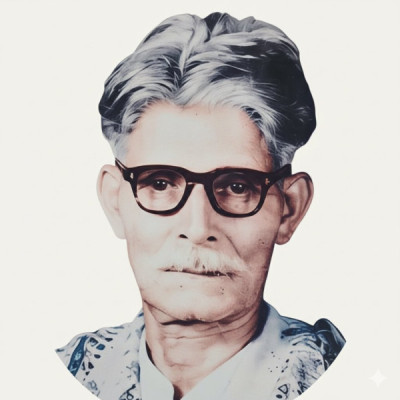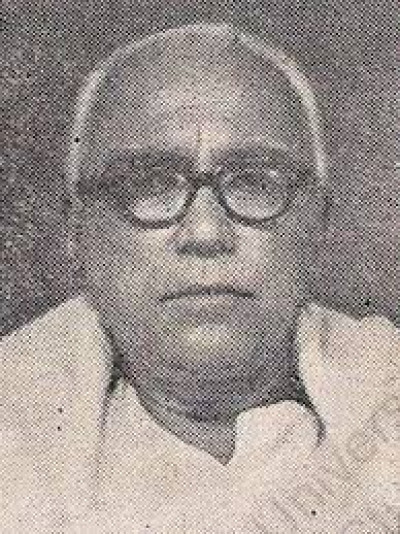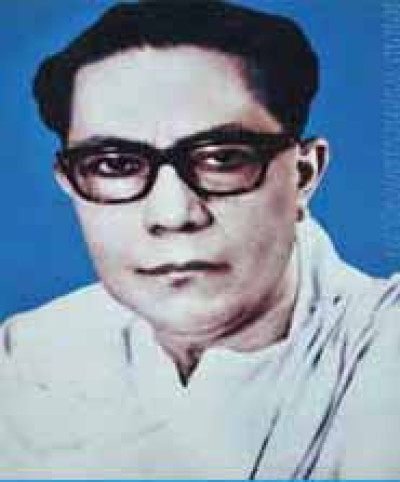
Life & Legacy
Early Life
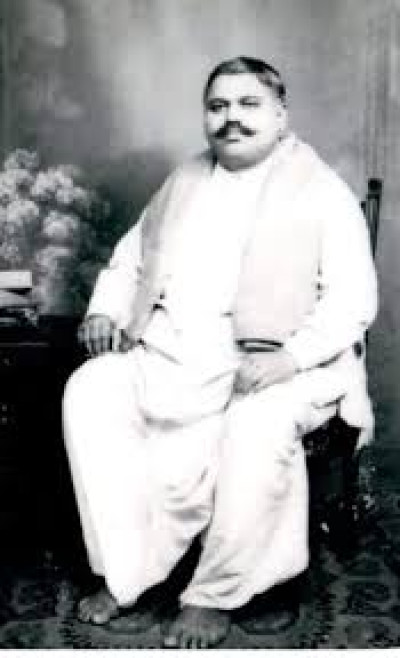
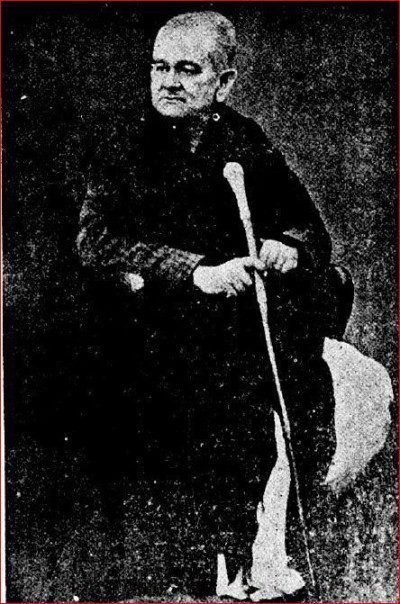
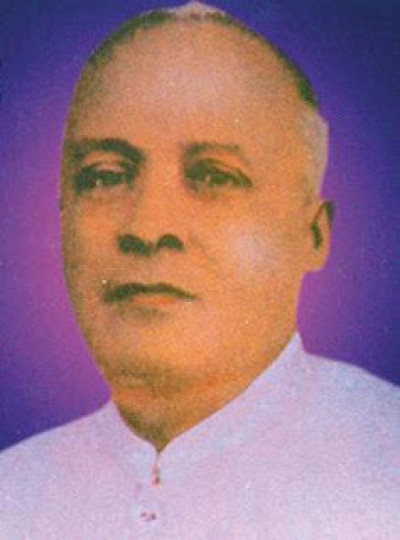
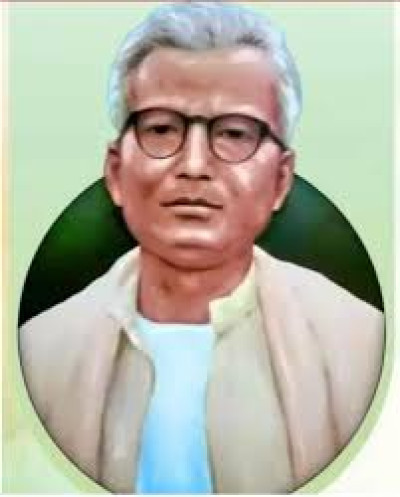
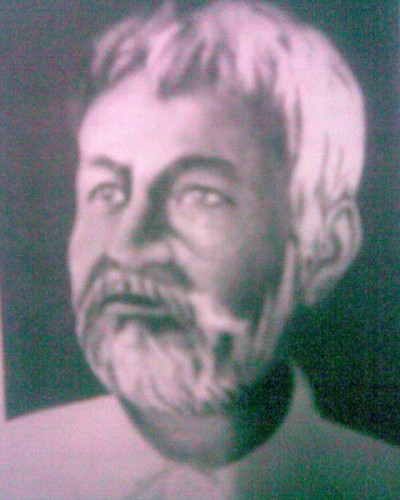
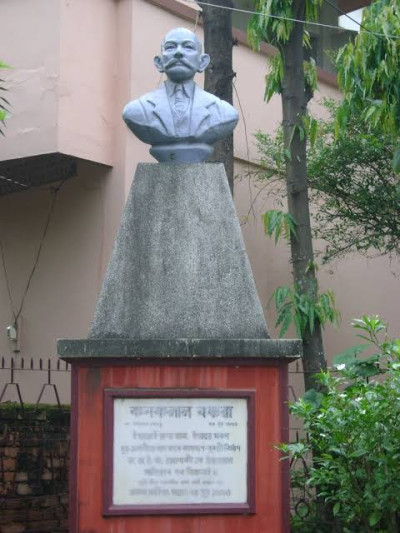
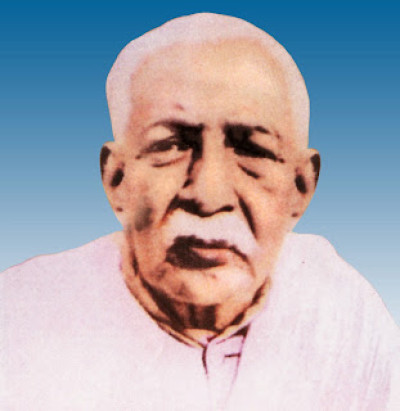
Gunabhiram Barua was born in 1837 in Jorhat, Assam, into a respected Brahmin family. He lost his father at an early age and was brought up under the guidance of his cousin Anandaram Dhekial Phukan, one of Assam's earliest modern reformers. Growing up in such an intellectually progressive environment inspired him to value education, social responsibility, and reform. These early influences later became the foundation of his literary and social work.
Education
Gunabhiram Barua received his early education in Assam before moving to Calcutta to pursue higher studies at Presidency College. Although he could not complete his degree, his stay in Calcutta exposed him to the Bengal Renaissance, Western education, and progressive thinkers such as Ishwar Chandra Vidyasagar. These experiences transformed his outlook and encouraged him to challenge outdated social practices through literature and public life.
Career and Public Service
After returning to Assam, Gunabhiram Barua joined the British administration as an Extra Assistant Commissioner in 1859. He served in different administrative positions for nearly three decades and earned respect for his dedication and integrity. While working in government service, he never abandoned his passion for literature, education, and social reform. His administrative experience also gave him a deeper understanding of the problems faced by ordinary people, which became central themes in his writings.
Pioneer of Modern Assamese Drama
Gunabhiram Barua occupies a unique place in Assamese literary history because he introduced modern social drama to the Assamese language. His landmark play Ramnabami Natak, written in 1857, is regarded as the first modern Assamese social drama. Unlike earlier religious plays, it addressed real social issues such as widow remarriage, women's rights, and social injustice.
The play was revolutionary because it portrayed the emotional struggles of ordinary people instead of mythological characters. It also introduced Western dramatic techniques while retaining the essence of Assamese culture. Through this work, Gunabhiram Barua transformed Assamese theatre and inspired future generations of playwrights.
Literary Contributions
Apart from drama, Gunabhiram Barua made valuable contributions in several literary fields including essays, history, biography, journalism, children's literature, and satire. His writings reflected social awareness, rational thinking, and a strong desire to improve society through education.
One of his most significant historical works is Asam Buranji, which presented the history of Assam in a systematic manner and became an important educational text. He also wrote the first Assamese biography, documenting the life of Anandaram Dhekial Phukan and preserving the legacy of one of Assam's earliest reformers.
As the editor of Asam Bandhu, he encouraged intellectual discussion and promoted original Assamese writing. His editorials and essays helped shape modern Assamese prose and inspired many young writers.
Social Reforms
Gunabhiram Barua was much more than a writer. He was a courageous social reformer who openly opposed several conservative customs that restricted social progress. He strongly supported women's education and believed that educating women was essential for the development of society.
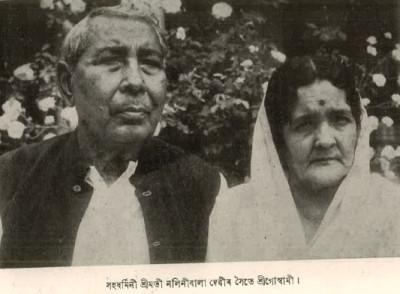
One of the boldest decisions of his life was marrying Bishnupriya Devi, a Brahmin widow, after the death of his first wife. During that period, widow remarriage was widely opposed, but Gunabhiram Barua challenged social orthodoxy through his personal example.
He also encouraged his daughter Swarnalata Barua to pursue education in Calcutta, an extraordinary step at a time when educating girls was uncommon in Assam. His reformist ideals were influenced by the Brahmo Samaj movement, which promoted rational thought, equality, and social justice.
Literary Style
Gunabhiram Barua's writings are known for their simplicity, realism, and intellectual depth. Instead of relying on mythology or fantasy, he addressed practical social issues that affected everyday life. His works combined strong storytelling with meaningful social messages, making them relevant even today. His language was clear and accessible, allowing readers from different backgrounds to understand complex ideas.
Major Books and Literary Works
Dramas
- Ramnabami Natak (1857)
- Bibaha Rahasya (unfinished)
History
- Asam Buranji
Biography
- Anandaram Dhekial Phukanor Jibon Charit
Essays
- Soumar Bhraman
- Olikhita Buranji
- Numerous essays published in Arunodoi and Asam Bandhu
Humorous Work
- Kothin Sabdar Rahasya Byakhya (published posthumously)
Positions Held
- Extra Assistant Commissioner under the British administration
- Editor of Asam Bandhu
- Essayist and contributor to Arunodoi
- Historian
- Social reformer and education advocate
- Prominent supporter of Brahmo Samaj ideals in Assam
Achievements
- Pioneer of modern Assamese social drama.
- Authored the first modern Assamese social play.
- Introduced realistic themes into Assamese theatre.
- Wrote the first Assamese biography.
- Authored the influential historical work Asam Buranji.
- Promoted women's education and widow remarriage.
- Established Asam Bandhu, an important literary journal.
- Played a significant role in modernizing Assamese prose.
- Inspired future generations of Assamese writers and reformers.
- Helped strengthen Assamese identity through literature and education.
Awards and Recognition
Although formal literary awards were uncommon during his lifetime, Gunabhiram Barua continues to receive lasting recognition for his pioneering contributions.
- Recognized as one of the pioneers of modern Assamese literature.
- Regarded as the father of modern Assamese social drama.
- Honoured as an important nineteenth-century social reformer of Assam.
- His works remain part of academic research and literary studies.
- Remembered as one of the architects of modern Assamese intellectual thought.
Death
Gunabhiram Barua passed away on 25 March 1894 in Calcutta. Even after his death, his writings and reformist ideals continue to inspire scholars, students, dramatists, and readers. His contributions remain an integral part of Assam's literary and cultural heritage.
Legacy
Gunabhiram Barua transformed Assamese literature by introducing realism, progressive thinking, and modern dramatic techniques. His fearless advocacy for women's rights, education, and social equality made him one of the earliest reformers in Assam. His literary works continue to be studied in schools and universities, while his ideas remain relevant in discussions on social progress and cultural identity. Today, Gunabhiram Barua is remembered not only as a distinguished writer but also as a visionary who helped shape modern Assam.
FAQs about Gunabhiram Barua