Life & Legacy
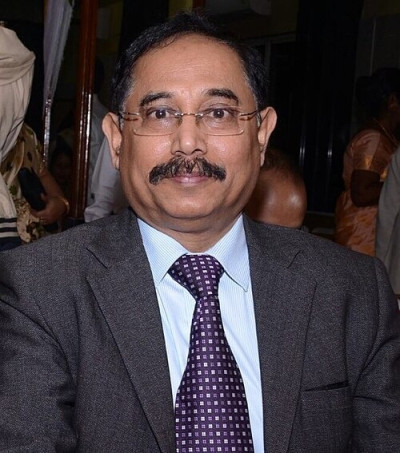
Durlav Bora Biography: Founder and Curator of Uttaran Museum, Sivasagar Assam
Early Life and Professional Background
Before becoming widely known as a museum curator, Durlav Bora served as an engineer at Lakwa Thermal Power Plant in Assam. His technical background did not limit his creative interests. Alongside his engineering career, he nurtured a deep passion for Assamese history, traditional art forms, and sculpture. Even during his service years, he actively engaged in collecting artifacts, studying local traditions, and creating sculptures that reflected the cultural identity of the region.
His interest in preservation stemmed from a growing concern that modernization and rapid urbanization were causing many traditional objects and practices to disappear from everyday life. Recognizing this loss, he decided to take action on his own rather than wait for institutional intervention.
Establishment of Uttaran Museum
The Uttaran Museum was officially opened in 2003 at his residence near Joysagar in Sivasagar district, approximately one kilometre from the historic Kareng Ghar. Initially, the museum began with a limited collection of objects. Over the years, it expanded into a two-storey building housing nearly 7,000 artifacts representing the diverse heritage of Assam.
Uttaran is widely regarded as the first personal museum in Northeast India established without direct government funding. The museum stands as a testament to what individual initiative and dedication can achieve in the field of heritage conservation.
Vision and Purpose
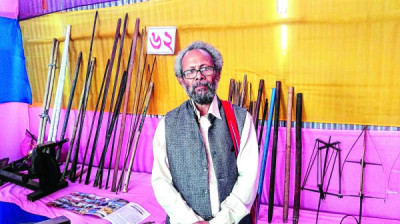
Durlav Bora envisioned Uttaran Museum as a microcosm of Assamese civilization. His objective was not merely to display antiques but to create a reference center where future generations could understand the cultural evolution of Assam. He believed that as occupations, lifestyles, and technologies change, many objects once common in Assamese households would become rare or extinct.
By collecting and preserving such items, he aimed to ensure that students, researchers, and visitors could study authentic artifacts instead of relying solely on written descriptions.
Unique Collections and Artifacts
The museum collection is vast and diverse, covering historical, cultural, and natural elements of Assam. Some of the most notable exhibits include:
-
Ancient coins from different historical periods.
-
Arms and weapons used during the Ahom era.
-
Traditional agricultural tools once common in Assamese households.
-
Indigenous musical instruments representing various ethnic communities of Assam.
-
A gramophone, symbolizing changing technologies and lifestyles.
-
Nests of weaver birds, now rarely seen in urban settings.
-
Seeds of rare tree species and samples of soil.
-
Various species of insects and preserved specimens of snakes.
-
Three hundred and thirty seven bottles of water collected from different ponds constructed during the Ahom rule.
-
Anthills, stones, and unique geological samples.
These items collectively portray the socio-cultural life, environmental diversity, and historical legacy of Assam.
Focus on Ahom Era Heritage
Sivasagar, historically known as the capital of the Ahom Kingdom, holds immense historical significance. Durlav Bora has made special efforts to collect artifacts related to the Ahom period. The water samples from historic ponds constructed during the Ahom era symbolize his meticulous approach to documentation.
By preserving such unique materials, he provides visitors with a tangible connection to Assam glorious past.
Role as Curator and Owner
As both curator and owner of Uttaran Museum, Durlav Bora manages every aspect of the institution. From collecting artifacts and documenting them to guiding visitors and maintaining the building, his involvement is comprehensive. Many objects in the museum have been donated by local residents who trust that their valuable possessions will be preserved safely.
People often bring ancient coins, rare insects, or family heirlooms to him, believing that Uttaran Museum is the right place for long-term preservation.
Sculpture and Artistic Contributions
Apart from collecting artifacts, Durlav Bora is also involved in sculpture art. Being technically trained as an engineer, he applied his skills creatively in crafting sculptures that reflect Assamese identity and heritage. His artistic works add a personal dimension to the museum, making it not just a storage space but also a creative cultural hub.
Growing Popularity and Recognition
Over the years, Uttaran Museum has attracted tourists from across India and from more than 20 countries including Canada, the United States, France, and Italy. Visitors appreciate the uniqueness of a privately established museum that houses such an extensive collection.
Despite limited institutional support, the museum has gained recognition for its originality and authenticity. Bora believes that success in establishing a museum depends more on dedication and personal interest than on financial assistance.
Educational and Cultural Impact
The museum plays an important role in educating the younger generation. Many artifacts displayed in Uttaran are unfamiliar to modern youth. As digital technology dominates daily life, objects like gramophones or traditional agricultural tools have disappeared from common usage.
Through guided tours and exhibitions, the museum helps students understand traditional occupations, rural lifestyles, and cultural practices. It acts as an informal educational institution preserving knowledge that might otherwise be forgotten.
Future Expansion Plans
Durlav Bora continues to expand and improve the museum. His plans include establishing:
-
An exhibition hall for thematic displays.
-
A library for research and documentation.
-
A hall for organizing educational events for children.
-
An auditorium for cultural programs and discussions.
These developments aim to transform Uttaran Museum into a comprehensive cultural center in Sivasagar.
Contribution to Heritage Preservation in Assam
Durlav Bora contribution to Assam heritage preservation is significant. At a time when modernization often overshadows tradition, his work ensures that physical evidence of the past remains accessible. His efforts complement institutional museums and strengthen community participation in cultural preservation.
He stands as an inspiring example of how individual dedication can safeguard regional history.
Conclusion
Durlav Bora biography reflects passion, perseverance, and commitment to cultural preservation. From his career as an engineer to becoming the founder and curator of Uttaran Museum, his journey demonstrates how personal initiative can create lasting impact. Through nearly 7,000 artifacts, historical objects, natural specimens, and sculptures, he has created a living archive of Assam heritage.
His work continues to inspire historians, students, researchers, and cultural enthusiasts who seek to understand the rich legacy of Sivasagar and Assam.
FAQs on Durlav Bora
Plans include building an exhibition hall, library, children event hall, and auditorium.