In Depth
The sanctuary also plays an important environmental role by preserving forest habitat close to a rapidly expanding urban area. For visitors, it offers an opportunity to learn about the region's wildlife and understand why protecting natural spaces is essential for the long-term health of Guwahati and its surroundings.
History and Location of Amchang Wildlife Sanctuary
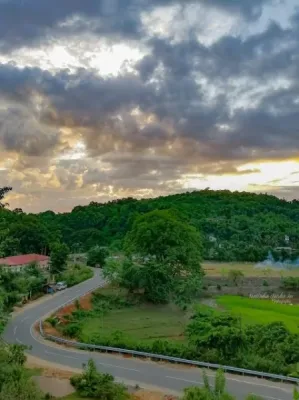
Amchang Wildlife Sanctuary was officially declared a wildlife sanctuary by the Assam Government on 19 June 2004. It was formed by combining three reserve forest areas: Amchang, South Amchang and Khanapara. Together, these forests make up a protected landscape of hills, valleys and dense vegetation on the eastern side of Guwahati.
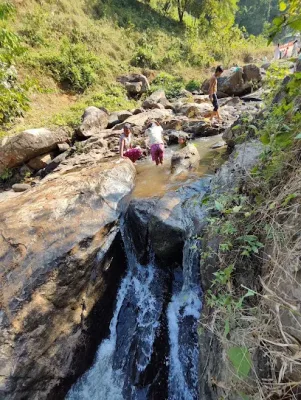
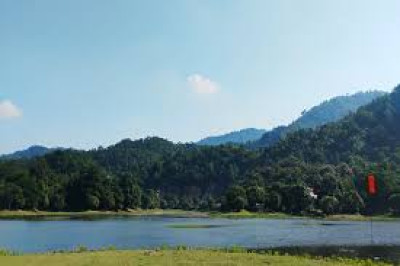
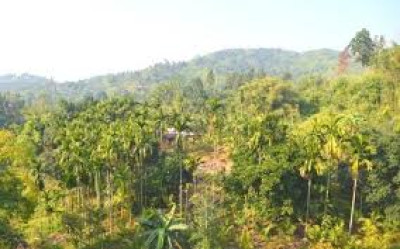
The sanctuary lies around 15 kilometres from central Guwahati, although the actual distance depends on the route and access point. It is associated with the eastern outskirts of the city, including the Narengi, Bonda and Amsing areas. The landscape consists mainly of tropical moist deciduous and semi-evergreen forests, with vegetation that provides shelter, food and movement corridors for wildlife.
As Guwahati continues to grow, the sanctuary has become increasingly important as a natural buffer against the loss of forest habitat. Urban development, fragmented wildlife corridors and human-elephant interactions remain significant conservation concerns.
Wildlife and Mammals
One of Amchang Wildlife Sanctuary's most notable features is its range of mammals. Asian elephants inhabit the forest landscape and may occasionally move towards nearby settlements when travelling in search of food or water. The sanctuary is also known for gaur, commonly called Indian bison, which are among the region's impressive large mammals.
Other mammals reported from the area include hoolock gibbons, capped langurs, slow lorises, Assamese macaques and rhesus macaques. These primates are important components of the forest ecosystem, although observing them in the wild requires patience and suitable conditions.
The sanctuary also provides habitat for species such as leopards, jungle cats, leopard cats, Chinese pangolins, wild pigs, sambar deer, barking deer, civets, porcupines and squirrels. Many of these animals are elusive and are not guaranteed to be seen during a visit. Their presence highlights the ecological value of maintaining connected forest habitats.
Visitors should never attempt to approach, feed, chase or photograph wildlife at close range. Elephants and other wild animals can be dangerous, even when they appear calm or are seen near roads.
Birdwatching and Other Biodiversity
Amchang is of interest to birdwatchers because its forests support a variety of resident and seasonal bird species. Birds reported from the wider sanctuary landscape include greater and lesser adjutant storks, white-backed vultures, slender-billed vultures, hornbills, green imperial pigeons, parakeets and pheasants.
The combination of woodland, forest edges and different vegetation types creates opportunities for different bird species to find food and nesting habitat. The sanctuary has also been associated with Important Bird and Biodiversity Area recognition. Visitors interested in birdwatching should verify the latest local access rules and use binoculars rather than disturbing birds or their nesting sites.
Reptiles, including pythons, cobras and monitor lizards, are also part of the forest ecosystem. Various insects and butterflies contribute to the area's biodiversity. Because wildlife activity changes with season, weather and habitat conditions, a quiet walk does not necessarily mean that animals are absent.
Things to Do at Amchang Wildlife Sanctuary
The sanctuary is best approached as a conservation area rather than a conventional amusement park or guaranteed wildlife-viewing destination. Depending on the permissions and facilities available at the time of your visit, suitable activities may include:
Birdwatching and observing forest vegetation.
Nature photography from permitted locations.
Learning about local wildlife and forest conservation.
Joining an authorised nature walk or guided trail, if available.
Exploring approved viewpoints and nearby nature attractions.
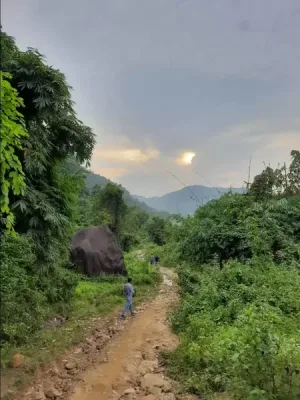
Some visitor accounts refer to longer forest walks and trekking routes, including a trail of approximately 6.5 kilometres. However, do not assume that every trail is officially open to tourists. Confirm the route, guide requirements and current restrictions with the Forest Department before planning a trek.
Best Time to Visit Amchang Wildlife Sanctuary
October to April is generally a convenient period to explore the Guwahati region because the weather is often more comfortable for outdoor activities. The post-monsoon months can bring fresh greenery, while the drier winter and early spring periods may be suitable for birdwatching and nature observation.
During the rainy season, forest tracks may become muddy or difficult to navigate. Heavy rainfall can also affect visibility and access. Before travelling, check the weather forecast and ask the relevant forest office whether your intended entry point and activities are permitted.
There is no guarantee of spotting elephants, primates or other wildlife on any particular day. Responsible wildlife viewing requires patience, quiet observation and respect for the animals' natural behaviour.
How to Reach Amchang Wildlife Sanctuary from Guwahati
By road: From central Guwahati, travel towards the eastern side of the city and confirm which authorised entry point is open. Narengi and the Bonda-Amsing side are useful local reference areas, but the best route depends on the permitted access point. A taxi or private vehicle is generally the most practical option.
By train: Guwahati Railway Station is approximately 15 kilometres from the general sanctuary area, depending on the destination within the forest belt. Taxis and local transport are available from the station. Allow extra time for city traffic and the final approach.
By air: Lokpriya Gopinath Bordoloi International Airport is the nearest major airport. The sanctuary is roughly 35–40 kilometres away by road, depending on the entry point and route. Visitors can hire a taxi from the airport and travel towards Guwahati before continuing to the authorised forest access location.
Before leaving, confirm whether public entry is permitted, whether a guide is required and whether any permits or fees apply. Do not enter restricted forest roads or follow unmarked trails without permission.
Where to Stay Near Amchang Wildlife Sanctuary
Accommodation options are available in the wider Narengi, Panikhaiti, Amsing and Sonapur areas. The following properties were included in the supplied reference information; contact details, operating status and room availability should be verified before booking.
Brahmaputra Jungle Resort - Tapesia Garden Road, near Assam Don Bosco University, Sonapur, Kamarkuchi, Guwahati, Assam 782402. Phone details supplied: +91 97060 99482, 99373, 99377, 99380. Please confirm the complete numbers with the property.
Amchang Farmhouse - Ghuligaon, Karbi Path, near Amsing NC, Guwahati, Assam 782401.
PK's Eco Retreat - Amsing, near Narengi Military Cantonment, via Satgaon, adjacent to Amsing Waterfall, Guwahati, Assam 781027. Phone: +91 93659 33006.
Isle Natura - Hardboard Road, Tamulbari, Panikhaiti, Narengi-Chandrapur Road, Assam 781026. Phones: +91 9864023446, 9930229965, 9508922492, 70028 9801.
Brahmaputra View Guest House - SN Tower, near Xcell Fitness, Panikhaiti, Guwahati, Assam 781026. Phone: +91 98541 21140.
Aarian Woods, a Boutique Resort - Tepesia, Kamarkuchi, Sonapur, Kamrup, Guwahati, Assam 782402, near Spring Valley Resort and Assam Don Bosco University. Phones: +91 99572 31919, 88110 99160, 88110 99161.
These properties are accommodation options in the broader region, not necessarily inside the sanctuary. If you prefer more restaurants, transport and other facilities, you can also stay in Guwahati city and make a day trip.
Whom to Contact for a Visit
For information about authorised access, forest permissions, guided nature walks and current visitor restrictions, contact the relevant Forest Department office before travelling.
The contact details are provided from the supplied reference text and should be verified before publication. Ask whether this office handles your intended sanctuary entry point and whether any separate range office should be contacted.
Conservation and Responsible Tourism
Amchang Wildlife Sanctuary faces challenges associated with urban expansion, habitat fragmentation and interactions between people and elephants. Forest protection depends on maintaining wildlife corridors, reducing disturbance and ensuring that development is planned with appropriate environmental safeguards.
Visitors can contribute by avoiding litter, keeping noise low, never feeding animals and taking all waste back with them. Do not light fires, remove plants or disturb wildlife. Follow instructions from forest personnel and leave the area immediately if officials advise that it is unsafe.
Amchang Wildlife Sanctuary is a valuable natural heritage site near Guwahati. Its diverse wildlife, forest landscapes and ecological importance make it worth learning about, whether you are a nature enthusiast, a birdwatcher or a traveller exploring Assam's green spaces. Planning your visit responsibly helps protect this habitat for future generations.
Quick Information About Amchang Wildlife Sanctuary
| Information | Details |
|---|---|
| Name | Amchang Wildlife Sanctuary |
| Location | Eastern outskirts of Guwahati, Assam |
| District | Kamrup Metropolitan, Assam |
| Total area | Approximately 78.64 sq. km |
| Established | 19 June 2004 |
| Forest type | Tropical moist deciduous and semi-evergreen forests |
| Major wildlife | Asian elephants, gaur, hoolock gibbons, capped langurs, slow lorises and leopards |
| Birdlife | Adjutant storks, vultures, hornbills and other forest birds |
| Best time to visit | October to April, subject to access conditions |
| Distance from Guwahati city centre | Approximately 15 km, depending on the entry point |
| Nearest major railway station | Guwahati Railway Station |
| Nearest airport | Lokpriya Gopinath Bordoloi International Airport |
| Entry fee and timings | Confirm with the Forest Department before visiting |
| Main activities | Nature observation, birdwatching and authorised nature walks |
| Managing authority | Assam Forest Department |
| Forest division | East Kamrup Forest Division; confirm the appropriate office for your planned entry |
| Contact for visit enquiries | Divisional Forest Officer, Guwahati Wildlife Division: +91-361-2656771; mobile: +91-94350 31789 |
FAQs About Amchang Wildlife Sanctuary
1. Where is Amchang Wildlife Sanctuary located?
Amchang Wildlife Sanctuary is located on the eastern outskirts of Guwahati in Assam. It covers forested hills and valleys associated with areas such as Narengi, Bonda and Amsing. The distance from central Guwahati is approximately 15 kilometres, depending on the entry point.
2. What is the total area of Amchang Wildlife Sanctuary?
Amchang Wildlife Sanctuary covers approximately 78.64 square kilometres. It was formed by combining the Amchang, South Amchang and Khanapara reserve forest areas and was declared a wildlife sanctuary on 19 June 2004.
3. Which animals can be found in Amchang Wildlife Sanctuary?
The sanctuary provides habitat for Asian elephants, gaur, hoolock gibbons, capped langurs, slow lorises, macaques, Chinese pangolins, leopards, jungle cats, deer and other mammals. Wildlife sightings are not guaranteed, and visitors should observe animals from a safe distance.
4. Is Amchang Wildlife Sanctuary suitable for birdwatching?
Amchang is of interest to birdwatchers because its forest habitat supports numerous bird species, including adjutant storks, vultures, hornbills, pheasants and green imperial pigeons. Check access rules before visiting and avoid disturbing birds or their nesting areas.
5. What is the best time to visit Amchang Wildlife Sanctuary?
October to April is generally a comfortable period for outdoor activities around Guwahati. The monsoon can make forest tracks muddy and difficult to navigate. The best time also depends on current access permissions, weather and the type of nature activity planned.
6. How can I reach Amchang Wildlife Sanctuary from Guwahati?
You can travel by taxi or private vehicle towards the eastern outskirts of Guwahati and the authorised entry point specified by the Forest Department. Guwahati Railway Station is approximately 15 kilometres away from the general sanctuary area, while the airport is roughly 35–40 kilometres away by road, depending on the route.
7. Is there an entry fee for Amchang Wildlife Sanctuary?
Entry fees, permits and access conditions may depend on the activity and the currently authorised entry point. Confirm the latest rules with the relevant Forest Department office before travelling. Do not assume that all forest areas or trails are open to general visitors.
8. Can visitors go trekking in Amchang Wildlife Sanctuary?
Nature walks or trekking may be possible in authorised areas, but not every trail is necessarily open to the public. Ask the Forest Department about permitted routes, guide requirements and safety arrangements before planning a trek.
9. Where can I stay near Amchang Wildlife Sanctuary?
Accommodation options in the wider region include Brahmaputra Jungle Resort, Amchang Farmhouse, PK's Eco Retreat, Isle Natura, Brahmaputra View Guest House and Aarian Woods. Confirm current operations, location, room availability and contact details directly with each property before booking.
10. Whom should I contact before visiting Amchang Wildlife Sanctuary?
The supplied reference lists the Divisional Forest Officer, Guwahati Wildlife Division, at AT Road, Santipur, Guwahati - 781009. The telephone number is +91-361-2656771 and the mobile number is +91-94350 31789. Verify these details and confirm the appropriate office for your intended visit before travelling.