In Depth
History of Umananda Temple
The present Umananda Temple is traditionally associated with the Ahom period and was constructed in 1694 AD during the reign of Ahom King Gadadhar Singha. The work was carried out by Bar Phukan Garhganya Handique under the king's instructions. The temple reflects the religious traditions and artistic skills that developed in Assam during the Ahom period.
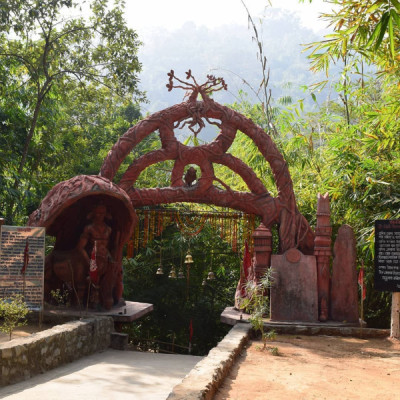
The site also has evidence of earlier religious activity. Rock-cut figures and stone sculptures found around the hill indicate that the location may have had an older religious heritage predating the present temple structure. These carvings include representations associated with Hindu deities and provide an additional historical dimension to the temple complex.
The temple suffered considerable damage during the devastating earthquake of 1897. A later reconstruction restored much of the damaged structure, and Vaishnavite inscriptions were also added to parts of the temple during the rebuilding process.
Religious Significance and Mythology
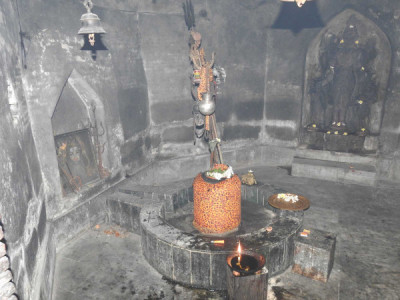
Umananda Temple is an important Shiva shrine and is particularly significant among devotees of Lord Shiva. The hillock where the temple stands is traditionally known as Bhasmachala or Bhasmakuta.
According to a popular Hindu legend, Lord Shiva was once meditating on this hill when Kamadeva, the god of love, disturbed his meditation. Shiva became angry and opened his third eye, reducing Kamadeva to ashes. This story is traditionally connected with the name Bhasmachala, with 'bhasma' referring to ashes.
The site is also mentioned in traditional religious literature associated with the Kalika Purana. Another local tradition connects the island with Goddess Urvashi, who is believed to have lived here and prepared nectar for the worship of Kamakhya. Because of this association, the island is also known in some traditions as Urvashi Island.
The temple is considered especially sacred on important Shiva-related occasions. Maha Shivaratri and Shiva Chaturdashi attract large numbers of devotees, while worship on certain Amavasya days is also associated with local religious beliefs.
What to See at Umananda Temple?
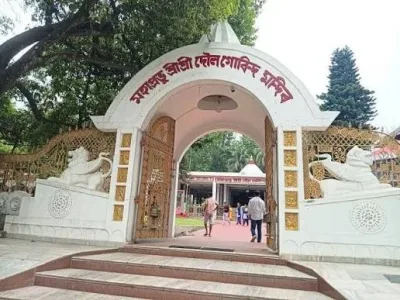
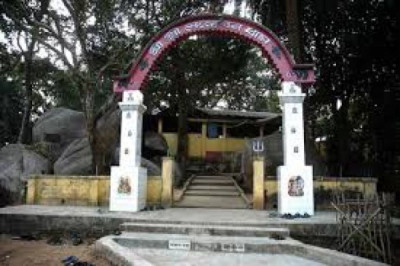
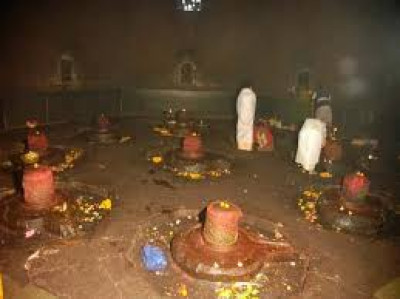
The main attraction is the Umananda Temple shrine dedicated to Lord Shiva. The temple complex is built around the rocky hill and provides an atmosphere that is different from the larger temples located on the mainland.
Visitors can also see stone carvings and sculptures around the temple. Representations associated with Lord Shiva, Ganesha, Surya, Devi and Vishnu can be found in the temple's artistic surroundings. Sculptural elements depicting different forms and traditions of Hindu worship highlight the craftsmanship associated with the site.
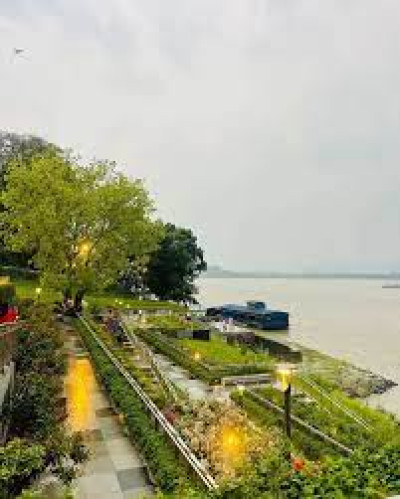
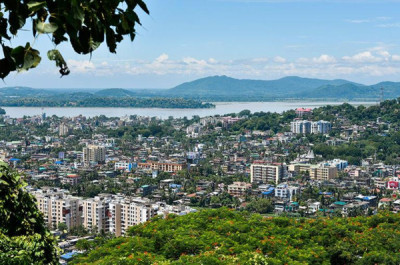
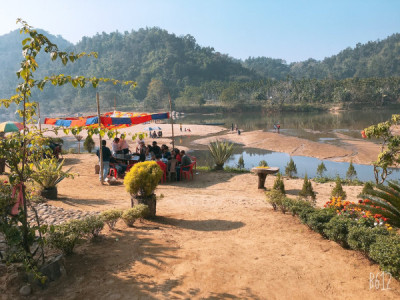
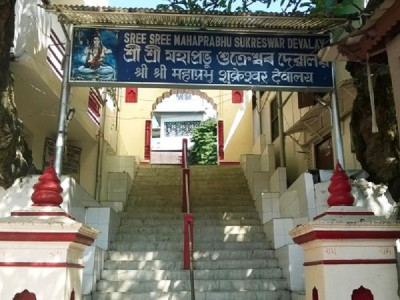
The journey itself is an important part of the experience. A ferry or motorboat takes visitors across the Brahmaputra to Umananda Island, providing views of the river, Guwahati skyline and surrounding landscape. After reaching the island, visitors need to climb a series of steps to reach the temple.
The island's natural setting also makes it interesting for visitors who enjoy photography, river landscapes and quiet surroundings. Local monkeys may be seen around the temple area, so visitors should take care with food and personal belongings.
Why Umananda Island Is Called Peacock Island?
Umananda Island is popularly known as Peacock Island. The name is generally attributed to British-era observers who considered the shape of the small river island to resemble a peacock with its feathers spread out.
The island sits in the Brahmaputra River near the heart of Guwahati, making it one of the city's most distinctive geographical and cultural landmarks. It is widely described as one of the smallest inhabited river islands in the world.
The combination of the river setting, rocky hill, temple and surrounding landscape makes Peacock Island one of the most recognizable attractions associated with Guwahati.
Ferry Timing to Umananda Temple
Umananda Temple can be reached from Guwahati by ferry or motorboat. Boat services generally operate during daylight hours, with services commonly available from the morning until approximately 4:00 PM to 4:30 PM. Private boats may operate for longer hours depending on demand and weather conditions.
The crossing from the mainland to Umananda Island generally takes around 10 to 15 minutes. Common boarding points include Umananda Ghat, Kachari Ghat and Uzan Bazar Ferry Ghat. Services and fares can change according to river conditions, weather, season and operating arrangements, so visitors should confirm the return boat timing before travelling to the island.
Government or public ferry services are generally more economical, while private motorboats may offer greater flexibility. During busy festival periods, especially Maha Shivaratri, visitors should expect increased demand for boat services.
How to Reach Umananda Temple from Guwahati?
Since Umananda Temple is situated on an island in the Brahmaputra River, the final part of the journey must be completed by boat.
From Guwahati city, visitors can travel by taxi, auto-rickshaw or private vehicle to one of the mainland ferry points such as Umananda Ghat, Kachari Ghat or Uzan Bazar. From there, a ferry or motorboat can be taken to Umananda Island.
By Road: Guwahati has good road connectivity with major cities and towns of Assam. Visitors arriving from other parts of the state can reach central Guwahati and continue to the selected ferry ghat.
By Rail: Guwahati Railway Station is the nearest major railway station and is conveniently connected with the city's transport network. From the station, visitors can hire a taxi or use local transport to reach the ferry boarding area.
By Air: Lokpriya Gopinath Bordoloi International Airport is the nearest major airport. Visitors can take a taxi or other local transport from the airport to Guwahati city and then continue to the ferry ghat.
After reaching Umananda Island, visitors need to walk and climb steps leading from the boat landing area to the temple.
Umananda Temple Timings and Best Time to Visit
The temple is generally open from around 5:30 AM to 6:00 PM. However, ferry services normally stop earlier than the temple's closing time. Visitors should therefore plan their return journey before the final boat leaves the island.
The cooler months from October to April are generally comfortable for exploring Guwahati and travelling by boat. Maha Shivaratri is an especially important time to visit for devotees because the temple hosts special religious activities and attracts large crowds.
Visitors who prefer a quieter experience may choose a normal weekday outside major festivals.
Where to Stay Near Umananda Temple?
There are many accommodation options in Guwahati because Umananda Temple is located close to the main city area. Visitors can choose hotels and guest houses around Pan Bazaar, Paltan Bazaar, Fancy Bazaar, Uzan Bazar, Bharalumukh and other central parts of Guwahati.
Staying in central Guwahati makes it easier to reach the ferry ghats and also allows visitors to explore other attractions such as Kamakhya Temple, Assam State Museum, Srimanta Sankardev Kalakshetra, Assam State Zoo and the Brahmaputra riverfront.
Whom to Contact for Umananda Temple Visit?
For general visitor information and local assistance, visitors can contact the Kamrup Metropolitan district administration. The reference information provides the district administration helpline as +91 (361) 25 40 149.
Because ferry operations can change according to weather, river conditions and seasonal arrangements, visitors should confirm boat availability and return timings locally before travelling to the island.
Visitor Tips for Umananda Temple
Carry sufficient drinking water, particularly during warmer months.
Confirm the last return ferry before starting the temple visit.
Wear comfortable footwear because the island requires walking and climbing steps.
Keep personal belongings secure around monkeys and avoid feeding them.
During Maha Shivaratri and other major festivals, expect large crowds and allow additional travel time.
Follow temple rules and maintain cleanliness around the island.
Avoid travelling by boat during unsafe weather or rough river conditions.
Keep the Brahmaputra and island environment clean by carrying back waste where appropriate.
Why Visit Umananda Temple?
Umananda Temple offers a distinctive combination of spirituality, history, mythology, architecture and natural scenery. Unlike many temples located on the mainland, reaching this shrine requires a short journey across the Brahmaputra, making the visit itself part of the attraction.
The historic Ahom connection, Shiva worship, traditional legends, rock carvings, Peacock Island setting and panoramic river views make Umananda Temple an important place to include in a Guwahati sightseeing itinerary. It is particularly suitable for visitors interested in Assam's religious heritage, history, architecture and river landscapes.
Quick Info About Umananda Temple
Frequently Asked Questions About Umananda Temple
- Where is Umananda Temple located?
Umananda Temple is located on Umananda Island, also known as Peacock Island, in the middle of the Brahmaputra River in Guwahati, Assam.
- Who built Umananda Temple?
The present temple is traditionally associated with Ahom King Gadadhar Singha and was constructed in 1694 AD by Bar Phukan Garhganya Handique under the king's instructions.
- Why is Umananda Temple famous?
Umananda Temple is famous for its location on an island in the Brahmaputra, its dedication to Lord Shiva, Ahom-era history, traditional mythology, stone carvings and scenic river surroundings.
- Why is Umananda Island called Peacock Island?
The island is popularly called Peacock Island because its shape was considered similar to a peacock with its feathers spread out. The English name became associated with the island during the British period.
- What is the story behind Umananda Temple?
According to a popular legend, Lord Shiva was meditating on the hill when Kamadeva disturbed him. Shiva opened his third eye and burned Kamadeva to ashes, which is associated with the traditional name Bhasmachala.
- How can I reach Umananda Temple from Guwahati?
Visitors can travel to Umananda Ghat, Kachari Ghat or Uzan Bazar and take a ferry or motorboat across the Brahmaputra to Umananda Island. The boat journey usually takes around 10 to 15 minutes.
- What are the timings of Umananda Temple?
Umananda Temple is generally open from around 5:30 AM to 6:00 PM. Ferry services usually finish earlier, so visitors should confirm the final return boat timing.
- Is there an entry fee for Umananda Temple?
Standard temple darshan is generally free. However, visitors need to pay the applicable ferry or boat charges for travelling between Guwahati and Umananda Island.
- What is the best time to visit Umananda Temple?
October to April is generally a comfortable period to visit. Maha Shivaratri is particularly significant for devotees, although the temple can be very crowded during the festival.
- How far is Umananda Temple from Guwahati Railway Station and Airport?
The mainland ferry points are located within Guwahati city. Guwahati Railway Station is relatively close to the central ferry areas, while Lokpriya Gopinath Bordoloi International Airport is farther away and requires road travel before taking the boat to Umananda Island.