In Depth
Dedicated to Lord Shiva, Tilinga Mandir holds a deep mystical belief among devotees that sincere prayers offered here are answered. In return, devotees traditionally offer a bell, a trishul, or even pigeons as a mark of gratitude. Over time, this belief transformed the temple into a powerful center of faith, attracting pilgrims and tourists from across Assam and other parts of India.
History of Tilinga Mandir
The history of Tilinga Mandir dates back to the year 1965. Tea garden workers in the Bordubi area reportedly noticed a Shiva Linga emerging naturally from the ground near a large peepal or banyan tree. Considering this a divine sign, the garden authorities and local villagers decided to build a small shrine around it. Gradually, the site gained recognition as prayers offered here were believed to be fulfilled.
Initially, devotees promised to return with a bell if their wishes were answered. As more people experienced positive outcomes, the tradition spread rapidly. Over the decades, thousands of bells of various sizes, ranging from a few grams to nearly 55 kilograms, were offered. Each bell represents a fulfilled wish, making the temple premises a living testimony of faith.
Due to the excessive weight of bells, the sacred peepal tree began to suffer. Environmental activists intervened, and to preserve the tree, temple authorities later installed iron frameworks where devotees now hang bells instead of tying them directly to the tree.
Spiritual Significance and Beliefs
Tilinga Mandir is deeply associated with wish fulfillment. Devotees believe that prayers offered with pure intent to Lord Shiva here never go unanswered. Once the wish is fulfilled, devotees return to offer a bell, a trishul, or pigeons as a ritual of thanksgiving.
Monday holds special importance as it is considered Lord Shivas sacred day according to Hindu mythology. On Mondays, especially during Shravan month, Maha Shivaratri, and other auspicious occasions, thousands of devotees gather at the temple to offer prayers.
The temple complex also contains numerous Shiva tridents embedded in the ground, adding to the divine and mystical aura of the place.
Location and Surroundings
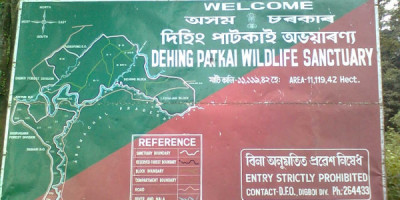
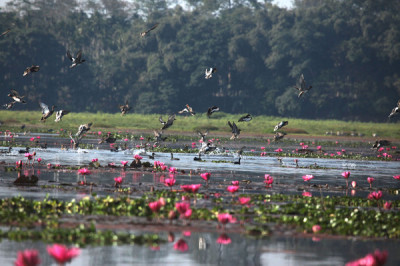
Tilinga Mandir is situated at Bordubi in Tinsukia district, Assam. The road leading to the temple passes through lush green tea gardens, offering visitors a serene and picturesque experience. Nearby attractions include Dehing Patkai Wildlife Sanctuary, Rukmini Island, Om House Boat, Lakhipathar, Namrup Namghar, Nepali Durga Mandir, Sri Sarvajanika Hanuman Mandir, and Aiy Than.
Local shops around the temple sell bells of various sizes, which devotees often purchase before offering prayers.
How to Reach Tilinga Mandir
Best Time to Visit
The best time to visit Tilinga Mandir is from February to May and October to November, when the weather remains pleasant. Mondays are particularly auspicious and attract large crowds of devotees.
Temple Timings
Tilinga Mandir generally remains open from early morning to evening, allowing devotees to perform rituals, prayers, and offerings peacefully.
Where to Stay Near Tilinga Mandir
Most accommodation options are available in Tinsukia town, located about 7 km from the temple.
Limited local guesthouses and homestays may also be found near Bordubi.
Contact Details
Quick Info on Tilinga Mandir
| Attribute | Details |
|---|---|
| Temple Name | Tilinga Mandir |
| Also Known As | Bell Temple |
| Deity | Lord Shiva |
| Location | Bordubi, Tinsukia, Assam |
| Distance from Tinsukia | Approx. 7 km |
| Nearest Airport | Dibrugarh (Mohanbari) |
| Nearest Railway Station | Tinsukia Junction |
| Best Time to Visit | Feb to May, Oct to Nov |
| Special Day | Monday |
| Contact | +91 8402999722, 8638394187, 7038385060 |
FAQs on Tilinga Mandir