In Depth
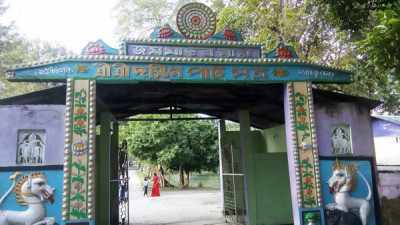
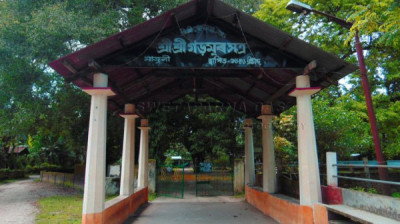
Among all the Satras of Assam, Auniati Satra historically enjoyed the highest esteem in the eyes of the Ahom rulers. The name Auniati originates from two Assamese words: Auni, referring to betel creeper plants that once grew abundantly in the area, and Ati, meaning an elevated place. The Satra was established on slightly raised land in Majuli, making it both spiritually symbolic and geographically suitable.
Religious Importance and Daily Worship
The principal deity worshipped at Auniati Satra is Lord Krishna, revered here as Govinda. The sacred idol installed in the Manikuta (sanctum) was originally brought from Jagannath Kshetra, Puri, and consecrated following traditional Vedic rituals. Daily prayers begin early in the morning and continue till evening, a tradition that has remained uninterrupted for centuries.
The Satra follows the Ekasarana Naam Dharma philosophy propagated by Srimanta Sankardeva, emphasizing devotion, simplicity, and community worship. The central prayer hall, known as the Naamghar, serves as the spiritual and social nucleus of the Satra.
Satriya Culture, Dance and Music
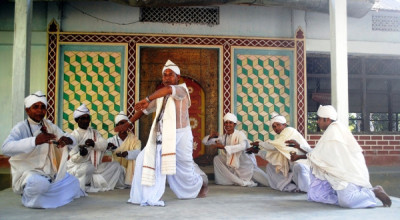
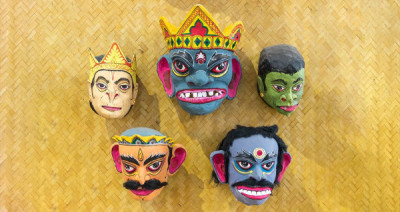
Sri Sri Auniati Satra is a major custodian of Satriya culture, one of Indias classical dance forms. The Satra has played a vital role in preserving and propagating Satriya dance, music, and religious theatre across generations.
Prominent Satriya dance forms performed here include:
Natua
Apsara
Sutradhar
Krishna Gopi Nritya
Jumura
Maati Akhara
Gayan Bayan
Ozapali (Panchali and Dulari styles)
The musical tradition includes devotional compositions such as Naam, Hiya Naam, Deeha Naam, Raas Geet, Guru Bandana, Deva Bandana, Ghosa Mangal, Ras Mangal, and Natarmajar Geet. These performances are often drawn from sacred texts like the Puranas, Vedas, Ramayana, Mahabharata, and Srimad Bhagawat.
Festivals and Religious Observances
Auniati Satra observes numerous religious festivals throughout the year. The most significant among them is Paal Naam, held annually from the 25th to the 29th day of the Assamese month of Kartik. During this period, thousands of devotees gather at the Majuli Satra to offer prayers.
Other major festivals include:
Raas Leela
Janmashtami
Holi
Diwali
Bohag Bihu
Kati Bihu
The death anniversaries of former Satradhikars and Vaishnavite saints are also observed with ritual prayers and cultural programs.
Structure and Life Inside the Satra
The Satra follows a circular architectural layout, with rows of residential huts known as Hati on all four sides. The Naamghar and Manikuta stand at the center. The Satradhikar resides near the temple premises, while the Deka Satradhikar and Govindapuriya occupy designated sections. Around 550 Udasin Vaishnavs live within the Satra, leading a celibate life dedicated to spiritual service.
Branches of Auniati Satra
Apart from the main Satra at Majuli, Auniati Satra has twelve branches across Assam. Notable ones include:
North Guwahati Branch, established in 1915
Kaliapani Branch (Teok), established in 2003
These branches help extend the spiritual and cultural activities of the Satra beyond Majuli.
Past Satradhikars of Sri Sri Auniati Satra
Some notable Satradhikars include:
Sri Sri Niranjan Deva Goswami (1656–1658)
Sri Sri Keshav Deva Goswami (1658–1726)
Sri Sri Ram Chandra Deva Goswami (1726–1727)
Sri Sri Damodar Deva Goswami (1727–1737)
Sri Sri Hari Deva Goswami (1737–1760)
Sri Sri Pranahari Deva Goswami (1760–1785)
Sri Sri Lakhi Nath Deva Goswami (1785–1804)
Sri Sri Padmapani Deva Goswami (1804–1818)
Sri Sri Lakhi Ram Deva Goswami (1818–1821)
Sri Sri Kusha Ram Deva Goswami (1821–1838)
Sri Sri Dutta Deva Goswami (1838–1904)
Sri Sri Kamal Chandra Deva Goswami (1904–1922)
Sri Sri Lila Kanta Deva Goswami (1922–1926)
Sri Sri Hem Chandra Deva Goswami (1926–1983)
Sri Sri Bishnu Chandra Deva Goswami (1983–1998)
Best Time to Visit Auniati Satra
The best time to visit Auniati Satra is from October to March, when the weather in Majuli remains pleasant and major festivals are celebrated. Winters are ideal for cultural exploration and photography.
How to Reach Auniati Satra
Where to Stay in Majuli
Accommodation options include:
Guest houses maintained by Auniati Satra
- Eco resorts and traditional homestays across MajuliThese stays offer basic facilities and immersive cultural experiences.
Contact Details
Sri Sri Auniati Satra
Majuli – 785106, Majuli, Assam, India
Phone: +91-94352-08380
Email: satra@auniati.org
Website: www.auniati.org
Quick Information Table on Sri Sri Auniati Satra Majuli
| Information | Details |
|---|---|
| Location | Majuli Island, Majuli district, Assam |
| Established | 1653 AD |
| Founder | Ahom King Jayaddhaja Singha |
| Main Deity | Lord Krishna (Govinda) |
| Cultural Significance | Satriya dance and Vaishnavism |
| Major Festival | Paal Naam |
| Best Time to Visit | October to March |
| Nearest Airport | Jorhat |
| Nearest City | Jorhat |
| Contact | +91-94352-08380 |
FAQs on Sri Sri Auniati Satra Majuli
Q1. Where is Auniati Satra located?
Auniati Satra is located in Majuli island in Majuli district of Assam.
Q2. Who founded Sri Sri Auniati Satra?
It was founded in 1653 AD by Ahom King Jayaddhaja Singha.
Q3. Why is Auniati Satra famous?
It is famous for its Satriya culture, Vaishnavite traditions, and festivals.
Q4. Which deity is worshipped at Auniati Satra?
Lord Krishna, worshipped as Govinda.
Q5. What is Paal Naam festival?
Paal Naam is the most important annual religious festival of Auniati Satra.
Q6. How old is Auniati Satra?
The Satra is more than 350 years old.
Q7. How to reach Auniati Satra from Jorhat?
Travel to Nimati Ghat from Jorhat and take a ferry to Majuli.
Q8. Is Auniati Satra open to tourists?
Yes, visitors are welcome throughout the year.
Q9. What is the best time to visit Auniati Satra?
October to March is the best time.
Q10. Are accommodations available at Auniati Satra?
Yes, basic guest accommodation is available along with homestays nearby.