In Depth
The history of Sidli Kingdom is connected with the larger Koch political tradition of Assam. Over the centuries, the Sidli estate was ruled by a succession of royal figures, with Bishnu Narayan associated with the shifting of the capital from Sidli to Bidyapur. The later royal residence at Bidyapur became an important centre of administration and represented the continuing legacy of the Sidli royal family.
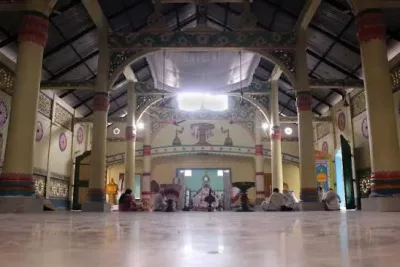
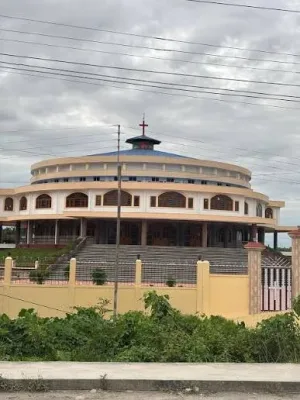
Sidli Rajbari is remembered for its traditional regional architectural character. The historic palace complex and surrounding structures reflect the building traditions of the period, with features associated with Assam-style construction and locally available materials. Although much of the former royal landscape has changed over time, the remaining structures and old estate surroundings provide an opportunity to understand the area's royal past.
The history of Sidli is also connected with the political developments along the Assam-Bhutan frontier. During the reign of Raja Gauri Narayan, conflicts involving Bhutan and subsequent British involvement played a role in the political settlement of the region. The changing relationship between the Sidli rulers, British administration and neighbouring territories shaped the history of this part of Assam.
The last ruler of Sidli was Raja Ajit Narayan Dev, who remained an important public figure after the end of the princely and zamindari era. He was also associated with public and social activities, while his wife, Rani Manjula Devi, was known for her social work and public life. Raja Ajit Narayan Dev died in 1984, marking the end of an important chapter in the modern history of the Sidli royal family. Historical records also identify him as a member of the Assam Legislative Assembly.
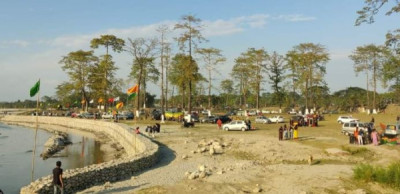
Today, Sidli Rajbari is of interest mainly as a heritage and historical destination rather than a conventional recreational tourist attraction. Visitors can explore the historic surroundings, learn about the Sidli Kingdom and appreciate the connection between the Koch royal tradition and the development of western Assam. The remaining royal structures and Bidyapur landscape also provide an opportunity for heritage photography and historical exploration.
The preservation of Sidli Rajbari is particularly important because historic royal buildings and estates provide valuable evidence of Assam's regional history. Visitors should treat the site respectfully, avoid damaging old structures and follow any local instructions regarding access.
For travellers exploring historical places in Assam, Sidli Rajbari offers a glimpse into the legacy of the Sidli Kingdom and the Koch dynasty. It can be included in a wider heritage journey through the Bongaigaon, Chirang and western Assam region, especially for travellers interested in royal history, traditional architecture and lesser-known historical places.
How to Reach Sidli Rajbari from Guwahati?
Sidli Rajbari can be approached from Guwahati by road towards western Assam. Travellers can take the major highway routes from Guwahati towards Bongaigaon and continue towards the Bidyapur area. The exact final approach should be confirmed locally because roads and access to heritage properties can change.
Visitors travelling by train can consider reaching Bongaigaon or another convenient railway station in the surrounding region and then arranging a local taxi or other road transport for the onward journey.
Because Sidli Rajbari is a historic site rather than a highly developed commercial tourist attraction, it is advisable to plan the visit during daylight hours and confirm local access before travelling.
Where to Stay at Sidli Rajbari?
There may be limited accommodation facilities immediately around the historic Rajbari site. Bongaigaon is a practical base for travellers because it offers a wider choice of hotels, restaurants and transport facilities. Visitors can stay in Bongaigaon and make Sidli Rajbari part of a day trip covering other historical and tourist attractions in the region.
Travellers planning a longer heritage tour can also consider accommodation according to their wider itinerary covering Chirang, Bijni, Bongaigaon and other nearby destinations.
Best Time to Visit Sidli Rajbari
October to March is generally a comfortable period for exploring historical places in western Assam. The relatively pleasant weather during the cooler months makes walking around heritage areas and combining the visit with other nearby attractions more comfortable.
Visitors should preferably arrive during daylight and avoid entering restricted, unsafe or structurally damaged portions of old buildings.
Quick Info about Sidli Rajbari
| Information | Details |
|---|---|
| Name | Sidli Rajbari |
| Historical Association | Sidli Kingdom |
| Location | Bidyapur, Assam |
| Historical Capital | Bidyapur |
| Dynasty | Koch royal tradition |
| Main Importance | Historical and royal heritage |
| Associated Ruler | Raja Ajit Narayan Dev |
| Historical Region | Western Assam |
| Best For | History, heritage, architecture and photography |
| Recommended Season | October to March |
| Visit Type | Heritage and historical visit |
| Current Nature | Historic royal site and heritage remains |
FAQs about Sidli Rajbari
1. What is Sidli Rajbari famous for?
Sidli Rajbari is famous for its connection with the historic Sidli Kingdom and the Koch royal tradition of Assam. The site represents an important part of the political and cultural history of western Assam.
2. Where is Sidli Rajbari located?
Sidli Rajbari is associated with Bidyapur, the former capital of the Sidli estate in western Assam. Historical sources identify Bidyapur as the later capital of Sidli Kingdom.
3. Which kingdom did Sidli Rajbari belong to?
Sidli Rajbari was associated with the former Sidli Kingdom, which formed part of the wider Koch political and royal tradition of the region.
4. Who was the last king of Sidli Kingdom?
Raja Ajit Narayan Dev was the last ruler of Sidli. Historical records identify him as a prominent public figure and former member of the Assam Legislative Assembly.
5. When did Raja Ajit Narayan Dev die?
Raja Ajit Narayan Dev died on 17 April 1984. His death marked the end of the direct royal succession of the Sidli Kingdom.
6. Why is Bidyapur important in the history of Sidli?
Bidyapur became the later capital of the Sidli estate and developed as an important centre of the royal administration. A historic Rajbari was established there and remains associated with the Sidli royal family.
7. What can visitors see at Sidli Rajbari?
Visitors can explore the historic royal surroundings and remaining architectural features associated with the Sidli estate. The destination is mainly suitable for people interested in history, heritage, traditional architecture and photography.
8. What is the best time to visit Sidli Rajbari?
October to March is a comfortable period for visiting the site and exploring the surrounding area. Daytime visits are recommended because the destination is primarily a historic heritage site.
9. How can I reach Sidli Rajbari from Guwahati?
Travellers can travel by road from Guwahati towards the Bongaigaon and Bidyapur region. Depending on the starting point, visitors can also use train services to reach a nearby railway station and continue by local road transport.
10. Is Sidli Rajbari an important historical place in Assam?
Yes. Sidli Rajbari is associated with the history of the Sidli Kingdom, the Koch royal tradition and the political development of western Assam. Its connection with Bidyapur and the former Sidli estate gives it considerable heritage value