In Depth
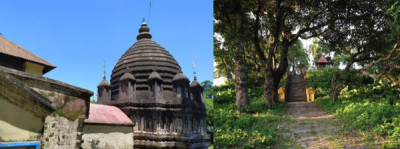
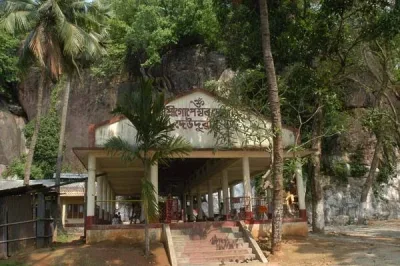
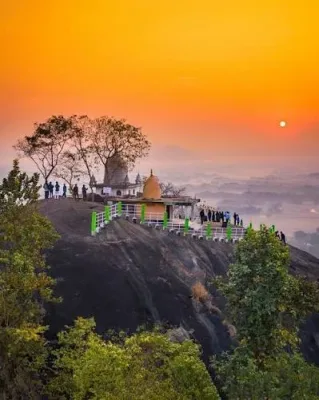
The shrine stands on a hillock overlooking parts of Sualkuchi and the distant Brahmaputra River. Visitors reach the temple by climbing a stone stairway, commonly described as having around 140 steps. The uphill approach adds to the character of the visit, although travellers should take care on the steps, especially during wet weather.
Devotees visit Sidheswar Devalaya to offer prayers to Lord Shiva, while history and architecture enthusiasts come to appreciate its traditional features and old sculptural remains. The temple can also be included in a day trip from Guwahati or combined with a visit to Sualkuchi's handloom workshops.
History of Sidheswar Temple or Sidheswar Devalaya
Sidheswar Devalaya is associated with a long history of religious activity in the Sualkuchi region. Some historical descriptions point to early medieval stone remains and sculptures, with suggested dates around the 10th or 11th century. The precise origin of the shrine and the relationship between these older remains and the current structure are not consistently established.
The present temple is generally associated with the Ahom period and the patronage of Ahom ruler Siva Singha in the early 18th century. Some accounts give a rebuilding date of 1722, while others place the construction or renovation around 1729. It is therefore safer to describe the current structure as an Ahom-period temple rather than treat one specific year as universally confirmed.
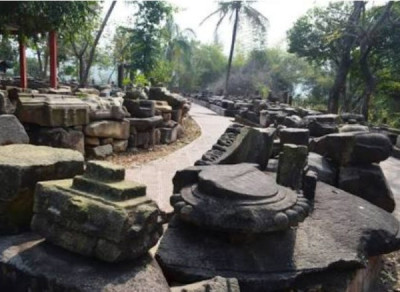
The shrine's historical development reflects the wider tradition of royal patronage for religious institutions in Assam. Older stone elements and carvings are reported to have been reused or incorporated into the temple complex, creating a connection between earlier religious traditions and the later structure. The temple continues to serve as a place of worship and an important part of Sualkuchi's cultural heritage.
Religious Significance of the Temple
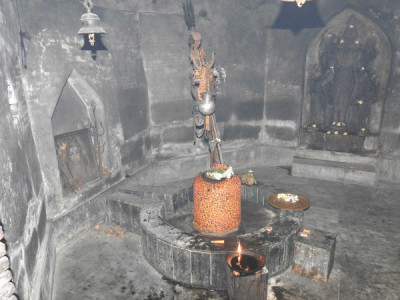
Sidheswar Devalaya is dedicated to Lord Shiva, one of the principal deities in Hinduism. The Shiva linga is the central object of worship, and devotees visit the shrine to pray and seek blessings. The temple is particularly active during important religious occasions associated with Shiva.
Maha Shivaratri is one of the major festivals observed by Shiva devotees. The period locally known as Bhole Bom is also associated with pilgrimages and devotional visits. During busy festival days, visitors may encounter larger crowds and longer waiting times. Those who prefer a quieter experience may wish to visit on a regular weekday after confirming the temple's opening hours.
As with any active place of worship, visitors should respect religious customs, follow the instructions of temple authorities and ask before taking photographs inside sacred areas.
Architecture and Sculptures at Sidheswar Temple or Sidheswar Devalaya
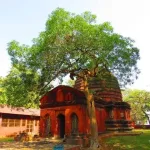
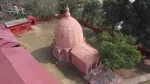
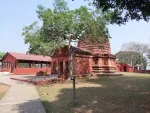
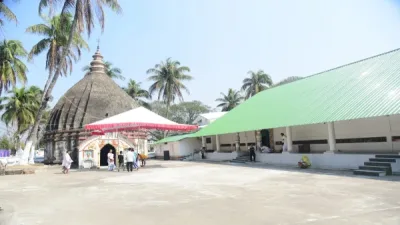
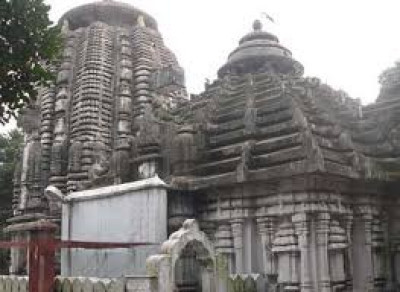
The temple's architecture reflects the religious building traditions of Assam, particularly the later period associated with Ahom rule. Its brick-built structure, sanctum and associated prayer spaces form the main elements of the complex. Descriptions of the temple also refer to carved figures and sculptural pieces on its exterior, some of which are believed to be older than the present building.
Among the notable features reported at the site are Shiva lingas positioned outside the main shrine and near the entrance, along with representations of female deities close to the gateway. These features add to the temple's religious and artistic interest.
Some descriptions also note iconographic elements that may reflect a mixture of regional artistic influences. However, interpretations of individual carvings should be treated cautiously unless supported by specialist historical research.
Visitors interested in heritage should take time to observe the exterior details respectfully, without touching or damaging old stonework and sculptures.
Hilltop Views and Surroundings
One of the appealing aspects of Sidheswar Temple is its elevated position on Sidheswari Hill. The climb offers a different perspective on Sualkuchi, the surrounding greenery and, from suitable viewpoints, the distant Brahmaputra landscape. The setting makes the temple attractive not only to pilgrims but also to travellers interested in local scenery and photography.
The steps may be challenging for some visitors, particularly older people or those with mobility limitations. Comfortable footwear, a steady pace and extra care during rainy weather are recommended. Avoid climbing on slippery surfaces or leaving designated visitor paths.
Places to Visit Near Sidheswar Temple
Sualkuchi Silk Weaving Workshops
Sualkuchi is one of Assam's best-known handloom centres. Visitors can explore local weaving units, observe traditional looms where access is permitted and shop for garments made from Muga, Pat and Eri silk. Mekhela Chadors, sarees, Gamosas and shawls are among the products associated with the town.
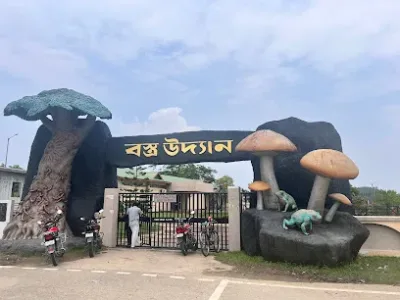
Vastra Udyaan
Vastra Udyaan is associated with the display and promotion of Assam's textile heritage. It may interest travellers who want to learn more about traditional silk and handloom culture. Check current visitor access and opening arrangements before including it in your itinerary.
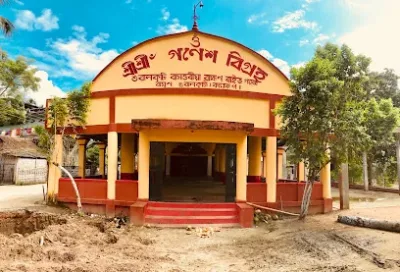
Ganesh Bigrah Temple
Ganesh Bigrah Temple is another local religious landmark in Sualkuchi. Visitors interested in the town's temples can ask locally for directions and current access information.
Hatisatra
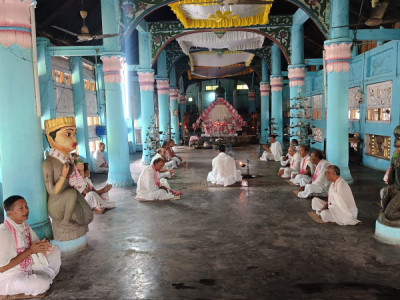
Hatisatra is associated with the Vaishnavite religious and cultural traditions of Assam. Satras have historically contributed to devotional practices, community life and the preservation of regional culture. Follow local customs when visiting religious premises.
Best Time to Visit Sidheswar Temple
October to March is generally a comfortable time to visit Sidheswar Temple. The weather is usually more suitable for walking around Sualkuchi and climbing the hill during these months. Maha Shivaratri and the Bhole Bom period offer opportunities to experience the temple's devotional atmosphere, although these occasions can be crowded.
During the summer, heat and humidity may make the climb tiring. Monsoon rain can also make stone steps slippery, so visitors should check weather conditions before setting out.
How to Reach Sidheswar Temple or Sidheswar Devalaya from Guwahati
Sidheswar Temple is located in Sualkuchi, approximately 30-35 km from Guwahati by road. Once you reach Sualkuchi, continue towards Sidheswari Hill in the south-western part of the town and follow local directions to the temple entrance.
By road: A private car or taxi is a convenient option from Guwahati. The journey often takes around one hour, depending on traffic and the route. Local buses and shared transport may also be available towards Sualkuchi, but confirm current services and departure points before travelling.
By train: Guwahati Railway Station and Kamakhya Railway Station are major rail gateways for visitors arriving from other cities. From the station, continue to Sualkuchi by road using a taxi or available public transport.
By air: The nearest major airport is Lokpriya Gopinath Bordoloi International Airport in Guwahati. Hire a taxi or arrange a vehicle to travel from the airport to Sualkuchi. Allow extra time if travelling during peak traffic.
Final approach: After reaching the temple area, visitors must climb the hill using the stone steps. Wear comfortable footwear and allow sufficient time for the ascent and descent.
Where to Stay Near Sidheswar Temple or Sidheswar Devalaya
Visitors can stay in Sualkuchi or choose accommodation in the wider Guwahati area. Local accommodation may be convenient for an early temple visit, while Guwahati generally offers more choices of hotels and services. The following details were supplied in the reference information; confirm current availability, addresses and booking arrangements directly.
Binodini Village Resort: Address: Near Block Office, Sualkuchi, Kamrup, Assam - 781103 Phone: +91 93958 89579, +91 8135991221, +91 9854030471
Silk Route Spa & Resort: Address: Gondhmow, Pub Bongshar, Sualkuchi, Kamrup district, Assam - 781103 Phone: +91 9706998141
Kiranshree Grand: Address: New Airport Road, Ganakpara / Mirzapur, opposite SOS Village, Kahikuchi Road, Guwahati, Assam - 781017 Phone: +91 97060 60000
Dixit Homestay: Address: Sadhutol, Sualkuchi, Kamrup, Assam - 781103, near Borsatra Naamghar
Hare Krishna Folk Residency: Address: Hajo Bamundipath, Sualkuchi, P K Road, Lakhi Nagar, Kamrup, Assam - 781103 Phone: +91 7099039770, +91 9678007302
Travel Tips for Visitors
Wear comfortable shoes for the stone stairway.
Take extra care during the monsoon or after rainfall.
Carry drinking water, especially during warmer months.
Dress respectfully and follow temple rules.
Confirm festival dates and visiting hours before travelling.
Ask permission before photographing people or restricted areas.
Keep the temple surroundings clean and avoid damaging old carvings.
If visiting Sualkuchi's silk workshops, ask before entering private premises or taking photographs.
Conclusion
Sidheswar Temple, or Sidheswar Devalaya, is an important religious and heritage landmark in Sualkuchi, Assam. Its dedication to Lord Shiva, association with the Ahom period, reported early sculptural remains and hilltop setting make it a meaningful stop for pilgrims and cultural travellers. Combining a visit to the temple with Sualkuchi's silk-weaving workshops and other local landmarks offers a broader introduction to the area's religious and artistic traditions.
Quick Information About Sidheswar Temple or Sidheswar Devalaya
| Detail | Information |
|---|---|
| Name | Sidheswar Temple, also known as Sidheswar Devalaya |
| Location | Sidheswari Hill, Sualkuchi, Kamrup district, Assam |
| Main deity | Lord Shiva |
| Temple type | Hindu temple |
| Historical association | Ancient stone remains and Ahom-period temple structure |
| Approximate historical period | Early medieval origins are suggested; present structure associated with the 18th century |
| Distance from Guwahati | Approximately 30-35 km by road |
| Nearest airport | Lokpriya Gopinath Bordoloi International Airport, Guwahati |
| Nearest major railway stations | Guwahati Railway Station and Kamakhya Railway Station |
| Hill access | Approximately 140 stone steps, according to local descriptions |
| Best time to visit | October to March |
| Major occasions | Maha Shivaratri and the Bhole Bom period |
| Entry fee | Confirm locally |
| Visiting hours | Confirm locally |
FAQs About Sidheswar Temple or Sidheswar Devalaya
1. Where is Sidheswar Temple located?
Sidheswar Temple is situated on Sidheswari Hill in Sualkuchi, Kamrup district, Assam, on the northern side of the Brahmaputra Valley.
2. Which deity is worshipped at Sidheswar Devalaya?
The temple is dedicated to Lord Shiva, and the Shiva linga is the main object of worship.
3. What is the history of Sidheswar Temple in Sualkuchi?
The site is associated with early medieval remains, while the present temple is generally linked to the Ahom period and the patronage of King Siva Singha in the 18th century.
4. How many steps are there at Sidheswar Temple?
Local descriptions commonly mention around 140 stone steps leading up Sidheswari Hill to the temple. The exact number may vary by the route or description.
5. What is the best time to visit Sidheswar Temple?
October to March is generally comfortable for visiting. Maha Shivaratri and the Bhole Bom period are important devotional occasions, though crowds may be larger.
6. How far is Sidheswar Temple from Guwahati?
The temple is approximately 30-35 km from Guwahati by road, depending on the starting point and route.
7. How can I reach Sidheswar Temple from Guwahati?
You can travel by taxi, private car or available public transport to Sualkuchi, then continue towards Sidheswari Hill and climb the steps to the temple.
8. What can visitors see at Sidheswar Devalaya?
Visitors can see the Shiva shrine, traditional temple architecture, reported sculptural details and views of the surrounding Sualkuchi landscape.
9. What places can I visit near Sidheswar Temple?
Nearby attractions include Sualkuchi's silk-weaving workshops, Vastra Udyaan, Ganesh Bigrah Temple and Hatisatra. Confirm access and opening arrangements locally.
10. Where can I stay when visiting Sidheswar Temple?
Visitors can look for accommodation in Sualkuchi, including the properties listed in this guide, or stay in Guwahati. Confirm current room availability and contact details before booking.