In Depth
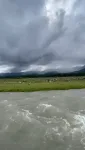
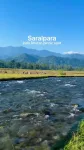
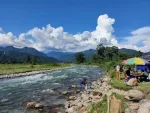
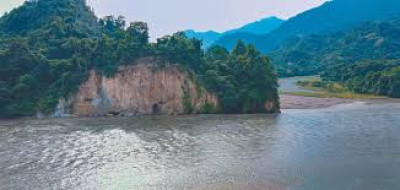
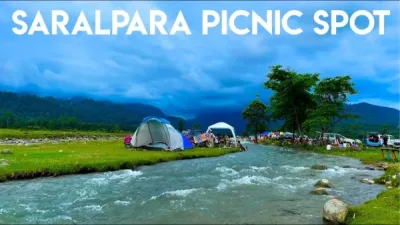
One of Saralpara's most distinctive features is its setting near the foothills of Bhutan. The landscape combines rocky riverbanks, forested hills and open views towards the neighbouring country's mountainous terrain. The area is also associated with the Saralbhanga River, which flows down from the Bhutan hills and passes through the surrounding valley. Its clear water and natural setting make the riverbank a popular place for picnics, photography and spending time outdoors.
Saralpara is more than a picnic spot. The surrounding region offers a glimpse of the communities, traditions and landscapes of western Assam. Visitors can experience the rural atmosphere, explore nearby forest areas and, when available and permitted, attend local cultural events. Because the destination is relatively remote, a little preparation is essential for a comfortable and responsible visit.
Location and Natural Beauty of Saralpara
Saralpara is situated in the northern part of Kokrajhar district, close to the international boundary with Bhutan. It lies near the wider Sarpang area on the Bhutanese side, where the plains of Assam meet the foothills of the Himalayas.
The Saralbhanga River is a major natural attraction. Flowing through a rocky riverbed, it creates a picturesque landscape surrounded by greenery and hills. Depending on the season and recent rainfall, the river's water level, flow and appearance can change considerably.
The journey towards Saralpara passes through rural settlements and forested landscapes associated with the Ultapani and Chirang reserve forest areas. These forests form part of a wider ecological landscape extending towards Bhutan and support a variety of plants, birds and wildlife.
The area's natural beauty is especially appealing during the cooler months, when outdoor visits are generally more comfortable. Visitors should remember that the river and forest environment is natural rather than a fully developed tourist facility, so safety and environmental care are important.
Top Attractions and Things to Do in Saralpara
1. Enjoy the Saralbhanga River
The Saralbhanga River is the central attraction for many visitors. Its rocky banks, flowing water and surrounding hills create an inviting setting for a daytime picnic or a relaxed nature outing.
Families and groups often visit to spend time beside the river, enjoy the scenery and take photographs. Choose a stable place away from the water's edge, avoid slippery rocks and never enter the river when the current is strong. Swimming is not recommended because underwater currents and sudden changes in water depth can be difficult to judge.
2. Admire the Bhutan Foothills
Saralpara's proximity to Bhutan gives it a distinctive borderland atmosphere. The rising hills, green valleys and forested slopes create a landscape that feels different from the flat river plains found in many other parts of Assam.
The views can be particularly attractive in the morning, when mist sometimes settles over the hills. Visitors interested in landscape photography should plan to arrive early and carry the essentials needed for a remote outing.
Although Bhutan may be visible from certain locations, do not assume that visitors can cross the international border freely. Follow the instructions of local authorities and respect all border restrictions.
3. Explore the Surrounding Forest Landscapes
The road to Saralpara passes through forested areas associated with Ultapani and Chirang. These landscapes contribute to the region's ecological importance and offer opportunities to appreciate the biodiversity of western Assam.
Birdwatchers and nature enthusiasts may enjoy observing the surrounding vegetation and birdlife. Larger wildlife, including elephants, may occur in the broader forest landscape, so visitors should remain alert and follow local guidance.
Do not leave designated routes without permission, approach wild animals or stop in unsafe locations. Forest travel should be undertaken during daylight, with attention to local restrictions and road conditions.
4. Experience the Local Culture
Saralpara and its surrounding settlements are home to communities including Bodo, Nepali, Rabha, Santhal and other Adivasi groups. Their traditions, languages, food and cultural practices contribute to the identity of the region.
Visitors may notice different places of worship and cultural influences across nearby settlements. Interactions with local residents can provide a better understanding of everyday life along the Assam-Bhutan border.
Travellers should be respectful when photographing people or religious sites and seek permission before entering private property.
5. Attend the Rongjali Bwisagu Festival
Rongjali Bwisagu is an important cultural celebration associated with the Bodo New Year and the arrival of spring. Saralpara has hosted Open Rongjali Bwisagu celebrations that bring together cultural performers and participants from the surrounding region, including guests from Bhutan on some occasions.
Festival activities may include traditional Bwisagu dances, folk music and community gatherings. The event provides an opportunity to appreciate the cultural links between communities living on either side of the border.
Celebrations are generally associated with April, but dates, programmes and participation arrangements can vary each year. Check with the Bodoland Territorial Council's relevant tourism or cultural affairs office before planning a trip specifically for the festival.
Best Time to Visit Saralpara
October to March is generally a suitable period for visiting Saralpara. The weather is often more comfortable for picnics, photography and exploring the surrounding countryside.
During winter, visitors can enjoy the green landscape and spend time beside the river without the same level of monsoon rainfall. Morning visits may provide attractive views of the foothills.
April is worth considering for travellers interested in Rongjali Bwisagu celebrations, although the weather can be warmer. Confirm the festival schedule before travelling.
The monsoon months can bring heavy rainfall, rising river levels, slippery rocks and difficult forest roads. Avoid visiting during unsafe weather conditions, and follow any local restrictions or warnings.
How to Reach Saralpara from Guwahati
Saralpara is a remote destination, so planning transport in advance is recommended. The final road stretch may be rough, and public transport options can be limited.
By Road from Guwahati
Guwahati is the main transport gateway for many visitors travelling from outside Assam. Saralpara is approximately 215-250 km from Guwahati by road, depending on the chosen route and starting point.
A typical journey involves travelling towards western Assam using the NH-27 corridor and continuing towards Kokrajhar and the Bishmuri area before proceeding towards Saralpara. The final route and travel time should be confirmed locally because road conditions and access arrangements can change.
Allow approximately six to seven hours or more for the journey, depending on traffic, stops and road conditions. Start early in the morning and plan to complete the return journey before dark if you are not staying nearby.
By Train
Kokrajhar Railway Station is a useful rail option for travellers visiting the region. Depending on your train and itinerary, Bongaigaon or another nearby railway station may also be convenient.
From the railway station, arrange a taxi or private vehicle for the onward journey. Confirm the fare, waiting time and return arrangements before starting the trip.
By Air
Lokpriya Gopinath Bordoloi International Airport in Guwahati is the main air gateway for travellers arriving from other parts of India. From Guwahati, continue by road or rail towards Kokrajhar and then arrange local transport to Saralpara.
Rupsi Airport may be another option depending on available commercial flights, but check the current timetable and operational status before booking.
Local Transport and Road Conditions
A private vehicle or locally hired car is generally the most practical option for reaching Saralpara. A vehicle with suitable ground clearance may be helpful on rough stretches, but no vehicle should attempt a route that local authorities consider unsafe.
Mobile connectivity may be weak or unavailable in parts of the journey. Download offline maps, carry sufficient cash, keep drinking water and share your itinerary with someone before leaving.
Where to Stay Near Saralpara
Saralpara is primarily a day-trip and picnic destination, and conventional hotels and resorts directly at the riverside spot are limited. Do not assume that accommodation, restaurants or reliable mobile connectivity will be available at the destination.
Travellers who wish to stay overnight can investigate hotels and guesthouses in Kokrajhar town or Gossaigaon. These towns offer a more practical base for arranging transport, meals and visits to other destinations in the region.
Basic community-run homestays may be available in the wider area, depending on local arrangements and the season. Confirm the accommodation's exact location, facilities, food availability, access road and booking terms before travelling.
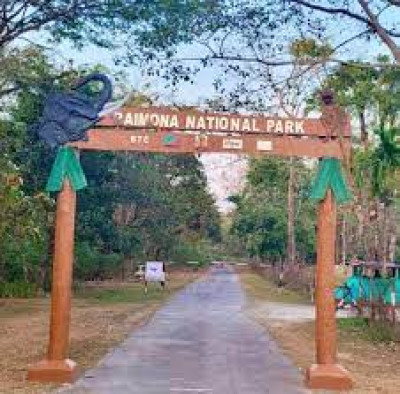
For a longer trip, visitors can explore the possibility of combining Saralpara with Raimona National Park or other attractions in the Bodoland region. Choose accommodation based on the route and avoid driving through remote forest stretches after sunset.
Important Travel Tips for Saralpara
Visit during daylight and plan to leave before sunset.
Check the weather and local road conditions before departure.
Carry cash, drinking water, snacks and a basic first-aid kit.
Download offline maps because mobile connectivity may be unreliable.
Avoid swimming or entering the river, particularly after rainfall.
Keep away from forest wildlife and follow local instructions.
Carry valid photo identification and cooperate with any authorised security checks.
Do not attempt to cross into Bhutan without the required authorisation.
Take all rubbish back with you and avoid damaging the riverbank or vegetation.
Confirm current entry charges and local access rules before starting your journey.
Saralpara is best enjoyed as a peaceful nature excursion rather than a fully serviced tourist resort. Respecting its natural environment and preparing for limited facilities can make the visit safer and more rewarding.
Nearby Places to Explore
Visitors planning a longer trip can consider other attractions in western Assam, depending on road conditions and available time.
Raimona National Park, in Kokrajhar district, is known for its forest biodiversity and conservation importance. Chakrasila Wildlife Sanctuary is another destination associated with the endangered golden langur. Gauripur offers regional heritage, while Dhubri has important religious landmarks and a distinctive riverside setting.
These attractions are spread across the region, so check driving distances before combining them in one itinerary. A two-day trip may be more practical than trying to cover every destination in a single day.
Quick Information About Saralpara
Information | Details |
|---|---|
Tourist Place | Saralpara |
Location | Kokrajhar district, Assam, India |
Region | Bodoland Territorial Region (BTR) |
Nearby Border | Indo-Bhutan international border |
Nearest Town | Kokrajhar and Gauripur region |
Main Attraction | Saralbhanga River and Bhutan foothills |
Famous For | Riverside picnics, green hills, forest scenery and local culture |
Nearby Forest Areas | Ultapani and Chirang reserve forest landscapes |
Best Time to Visit | October to March |
Festival | Rongjali Bwisagu, generally celebrated in April |
Distance from Kokrajhar | Approximately 55-65 km by road; confirm the route before travel |
Distance from Guwahati | Approximately 215-250 km by road, depending on the route |
Ideal Duration | One day; two days if combining other destinations |
Entry Fee | Local vehicle charges may apply; confirm current rates |
Accommodation | Limited options near Saralpara; consider Kokrajhar or Gossaigaon |
Mobile Connectivity | May be unreliable or unavailable in remote stretches |
Suitable For | Nature lovers, families, photographers and cultural travellers |
FAQs About Saralpara
1. Where is Saralpara located in Assam?
Saralpara is a forest village and picnic destination in Kokrajhar district, Assam, within the Bodoland Territorial Region. It lies near the Indo-Bhutan border.
2. What is Saralpara famous for?
Saralpara is known for the Saralbhanga River, scenic Bhutan foothills, forest landscapes, riverside picnics and its cultural setting near the Assam-Bhutan border.
3. What is the best time to visit Saralpara?
October to March is generally suitable for visiting Saralpara because the weather is often more comfortable for outdoor activities. April may also interest visitors who want to attend Rongjali Bwisagu celebrations.
4. How far is Saralpara from Guwahati?
Saralpara is approximately 215-250 km from Guwahati by road, depending on the route. The journey may take six to seven hours or longer, depending on traffic and road conditions.
5. How far is Saralpara from Kokrajhar town?
Saralpara is approximately 55-65 km from Kokrajhar town by road. Travel time depends on the route and condition of the final forest-road stretches.
6. Is Saralpara suitable for a family picnic?
Saralpara can be suitable for a family day trip during favourable weather. Families should remain away from the river's edge, supervise children closely, carry food and water, and return before dark.
7. Is there an entry fee for Saralpara?
Local vehicle charges may apply, but the amount can change. Confirm the current fee with local authorities or a reliable local contact before visiting.
8. Are hotels available at Saralpara?
Accommodation directly at Saralpara is limited. Visitors can look for hotels and guesthouses in Kokrajhar or Gossaigaon and check whether local homestays are available in the surrounding area.
9. Can visitors cross into Bhutan from Saralpara?
Visitors should not assume that crossing into Bhutan is permitted from Saralpara. International border access is subject to official rules and authorisation, so check with the relevant authorities before making any plans.
10. Is mobile network connectivity available at Saralpara?
Mobile connectivity may be weak or unavailable in remote stretches around Saralpara. Download offline maps, carry cash, share your itinerary and avoid relying on a mobile phone for emergency communication.