In Depth
History of Panch Peer Dargah
The history of Panch Peer Dargah is associated with the 17th-century period of Mughal-Ahom relations in Assam. Local tradition connects the five saints with the expedition of Mughal general Raja Ram Singh, who came to the region during the Mughal campaign against the Ahom Kingdom. According to this tradition, the five pirs remained in the Dhubri region and became associated with the spread of Sufi teachings.
The shrine is dedicated to Shah Akbar, Shah Baghmar, Shah Sufi, Shah Saran and Shah Kamal. Their tombs are preserved together at the dargah, making the site an important example of the Sufi heritage of western Assam. The shrine is traditionally dated to around the 1660s.
Religious and Cultural Significance
Panch Peer Dargah is notable for the diverse communities that visit the shrine. Muslims and Hindus, among others, come here to offer prayers and seek blessings. This shared reverence has given the dargah a special place in Dhubri's history and makes it a meaningful symbol of communal harmony.
The shrine also reflects the influence of Sufi traditions in Assam, where spiritual teachings, hospitality and service to others became important elements of community life. Visitors can experience a peaceful atmosphere while learning about the religious traditions that have shaped Dhubri over several centuries.
What to See at Panch Peer Dargah?
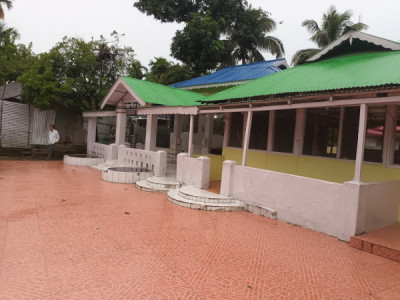
The main attraction is the Mazar Sharif containing the resting places of the five revered pirs. Visitors can observe the religious customs followed at the shrine and, according to local practice, offer a chadar as a gesture of respect and devotion.
The surrounding area of Boro Bazar provides an opportunity to experience the everyday character of Dhubri town. The nearby Brahmaputra River adds to the historical setting of the shrine and is another notable feature for visitors exploring the area.
Urs Festival and Religious Events
The annual Urs is one of the most important occasions at Panch Peer Dargah. It commemorates the death anniversaries of the revered saints and brings devotees together for prayers and religious gatherings. Qawwali, devotional music and other spiritual activities may form part of the celebrations.
The exact date of Urs follows the Islamic calendar and therefore changes each year. Visitors planning to attend should confirm the current festival schedule with the local shrine management.
Community Service
The dargah is also associated with the Sufi tradition of serving visitors and people in need. During important religious occasions, community-based activities and food distribution may take place. These traditions reinforce the shrine's broader message of compassion, hospitality and service.
How to Reach Panch Peer Dargah?
By Air: Rupsi Airport is the nearest airport serving Dhubri and is approximately 20 km from the town. For travellers coming from distant parts of India, Lokpriya Gopinath Bordoloi International Airport in Guwahati provides better air connectivity. From Guwahati, visitors can continue to Dhubri by road or train.
By Train: Dhubri Railway Station is located within the town and is one of the most convenient railway options for visiting Panch Peer Dargah. After reaching the station, local auto-rickshaws, cycle-rickshaws and taxis can be used to travel towards Boro Bazar.
By Road from Guwahati: Dhubri is approximately 250-290 km from Guwahati, depending on the selected route. Visitors can travel by private car, taxi or bus through the western Assam road network. From central Dhubri, Boro Bazar is easily accessible by local transport.
Local Transport: Auto-rickshaws and local taxis are convenient options for reaching the dargah from Dhubri Railway Station, bus stops and other parts of the town.
Where to Stay at Panch Peer Dargah?
Visitors can find hotels and guesthouses in Dhubri town, particularly around Boro Bazar and the central commercial areas. Staying in Dhubri is convenient because it provides access to restaurants, transport facilities and other local attractions. During Urs and other major religious occasions, advance accommodation planning is advisable because visitor numbers may increase.
Best Time to Visit Panch Peer Dargah
October to March is generally a comfortable period for exploring Dhubri and its heritage attractions because of the comparatively pleasant weather. Visitors interested in experiencing the spiritual and cultural activities of Panch Peer Dargah can plan their trip around the annual Urs after confirming the dates locally.
Panch Peer Dargah is an important religious and historical landmark of Dhubri, combining Sufi heritage, local history and traditions of communal harmony. Its association with five revered saints and its enduring place in the cultural life of western Assam make it a noteworthy destination for pilgrims, history enthusiasts and travellers exploring the heritage of Assam.
Quick Info About Panch Peer Dargah
| Information | Details |
|---|---|
| Tourist Place | Panch Peer Dargah |
| Also Known As | Panch Pir Dargah |
| Location | Boro Bazar, Dhubri, Assam |
| District | Dhubri |
| State | Assam |
| Country | India |
| Type | Sufi Shrine / Dargah |
| Historical Period | 17th century |
| Traditional Date | Around the 1660s |
| Dedicated To | Five Sufi Saints |
| Saints | Shah Akbar, Shah Baghmar, Shah Sufi, Shah Saran and Shah Kamal |
| Nearby River | Brahmaputra River |
| Nearest Railway Station | Dhubri Railway Station |
| Nearest Airport | Rupsi Airport |
| Major Airport | Lokpriya Gopinath Bordoloi International Airport, Guwahati |
| Major Festival | Annual Urs |
| Best Time to Visit | October to March |
| Main Significance | Sufi heritage and religious harmony |
FAQs About Panch Peer Dargah
1. Where is Panch Peer Dargah located?
Panch Peer Dargah is located in the Boro Bazar area of Dhubri town in Assam, close to the Brahmaputra River.
2. Why is Panch Peer Dargah famous?
Panch Peer Dargah is famous as a historic Sufi shrine associated with five revered saints and is also regarded as a symbol of religious harmony in Dhubri.
3. Who are the five saints of Panch Peer Dargah?
The five saints traditionally associated with the shrine are Shah Akbar, Shah Baghmar, Shah Sufi, Shah Saran and Shah Kamal.
4. How old is Panch Peer Dargah in Dhubri?
The shrine is traditionally associated with the 17th century and is generally dated to around the 1660s.
5. What is the historical connection of Panch Peer Dargah with Raja Ram Singh?
Local tradition states that the five Sufi saints accompanied Mughal general Raja Ram Singh during his expedition to Assam and later remained in the Dhubri region.
6. Can people of different religions visit Panch Peer Dargah?
Yes. The shrine is known for attracting visitors from different religious communities, making it an important example of shared spiritual and cultural traditions in Dhubri.
7. What is the Urs festival at Panch Peer Dargah?
The Urs is an annual religious observance commemorating the death anniversaries of the saints associated with the shrine. It includes prayers and other devotional activities.
8. How can I reach Panch Peer Dargah from Guwahati?
From Guwahati, you can travel to Dhubri by road or train. After reaching Dhubri town, local auto-rickshaws and taxis can take you to the Boro Bazar area.
9. What is the nearest airport to Panch Peer Dargah?
Rupsi Airport is the nearest airport serving Dhubri. Guwahati's Lokpriya Gopinath Bordoloi International Airport is another option with wider flight connectivity.
10. What is the best time to visit Panch Peer Dargah?
October to March is generally a comfortable period to explore Dhubri. Those interested in attending the Urs should confirm its date according to the Islamic calendar before travelling.