In Depth
Majuli is widely known for its satras, which have played an important role in preserving Assamese literature, music, dance, drama and spiritual practices. Natun Kamalabari Satra is one of the places where visitors can gain a better understanding of this living heritage. It is not simply a tourist attraction but an active religious institution where prayer, discipline and traditional cultural activities remain part of everyday life.
History and Heritage of Natun Kamalabari Satra
The history of Natun Kamalabari Satra is connected with the wider Kamalabari Satra lineage, traditionally associated with Badula Padma Ata, a disciple in the spiritual tradition of Sri Madhavdev. The satra was established in 1936 to continue this religious and cultural heritage in Majuli. Its administration and monastic activities are guided by the Satradhikar, together with the resident bhakats and Vaishnavas.
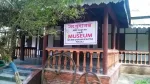
One of the most valuable aspects of the institution is its collection of historical manuscripts and religious objects. The satra is reported to preserve approximately 215 manuscripts written on Sanchipat, the traditional bark material used in Assamese manuscript writing. These documents are significant for understanding the region's literary, religious and cultural history.
Its collection also includes objects associated with traditional worship and the Vaishnavite movement, such as a decorated Bhakti Ratnamali bowl, jopmala, ceremonial costumes, silver spoons, copper vessels and other historical items. Some objects are traditionally associated with the period of Srimanta Sankardev. These collections make the satra an important place for those interested in Assam's manuscript heritage and religious history.
Religious Practices and Daily Activities
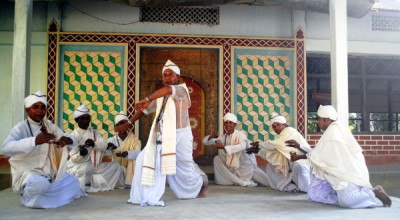
Daily life at Natun Kamalabari Satra follows established Vaishnavite customs. Prayer sessions, devotional singing and religious observances form an important part of the routine. The fourteen prasangas are maintained as part of its traditional daily religious practices. Resident bhakats participate in these activities under the guidance of the satra authorities.
The nam prasanga, involving the recitation and singing of devotional verses, is an important feature of satra life. Visitors may get an opportunity to observe aspects of these traditions, depending on the daily schedule and permission from the authorities. Since the institution is an active monastery, visitors should avoid disturbing prayers or other religious activities.
Sattriya Dance, Music and Traditional Drama
Natun Kamalabari Satra is associated with the preservation and practice of Assamese classical and devotional performing arts. Sattriya dance, which developed within the satra tradition, is one of the most recognised cultural contributions of Assam. Its movements, expressions, costumes and musical accompaniment reflect stories and themes from Vaishnavite religious literature.
Devotional music, including Borgeet and Gayan-Bayan traditions, also forms an important part of the cultural environment. Ankiya Bhaona, the traditional dramatic form developed within the Neo-Vaishnavite movement, presents religious stories through acting, music, dialogue and elaborate costumes.
Performing groups connected with the satra tradition have presented Assamese devotional music and drama beyond the region, helping introduce these art forms to wider audiences, including international platforms. However, regular public performances should not be assumed; visitors should enquire locally about any scheduled programme.
Festivals and Celebrations
Religious occasions and cultural festivals are important parts of the annual calendar at Natun Kamalabari Satra. Raas Leela and Raas Mahotsav, generally celebrated in November, are among the major cultural events associated with Majuli. The festival brings devotional performances, dramatic presentations and visitors to the island.
The satra also observes the anniversaries, or tithis, associated with Srimanta Sankardev, Sri Madhavdev and earlier spiritual leaders. Celebrations connected with Janmashtami, Falgutsav and the three Bihus are also part of the wider religious and cultural calendar. Festival dates and programmes may vary, so visitors planning a trip around a particular event should confirm the schedule in advance.
What to See at Natun Kamalabari Satra
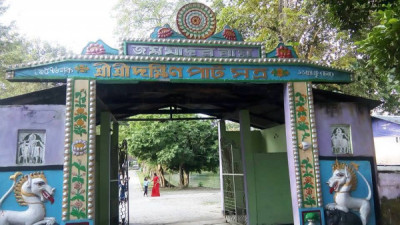
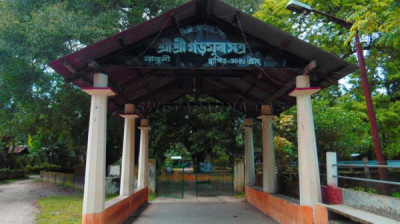
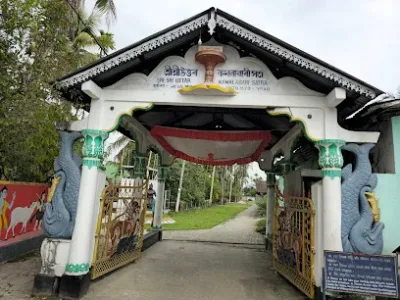
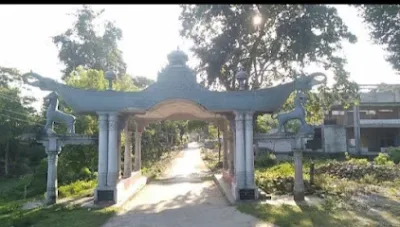
Visitors can explore the religious and cultural setting of the satra while respecting its monastic environment. The namghar is an important place for prayer and congregational worship. Traditional buildings and the surrounding campus provide an insight into the organisation and daily activities of a Vaishnavite institution.
The manuscript collection and preserved religious objects are particularly interesting for visitors who want to learn about Assamese heritage. Access to these collections may be restricted, so permission from the satra authorities is necessary. Visitors interested in Sattriya dance, devotional music or Bhaona can ask whether any practice session or cultural programme is taking place during their visit.
How to Reach Natun Kamalabari Satra from Guwahati
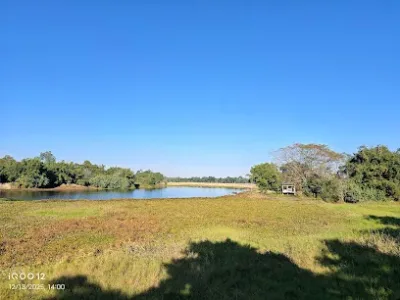
Natun Kamalabari Satra is located in the Kamalabari area of Majuli island. Travellers from Guwahati generally reach Jorhat first and then cross the Brahmaputra River by ferry to Majuli.
By Air: The nearest convenient airport is Jorhat Airport, also known as Rowriah Airport. From the airport, hire a taxi or arrange local transport to Nimati Ghat. Travellers may also consider other airports in Upper Assam depending on flight availability, but the onward road journey will differ.
By Train: Take a train from Guwahati to Jorhat Town or another suitable railway station serving the Jorhat area. From the station, continue by taxi or local transport to Nimati Ghat.
By Road: Guwahati is connected to Jorhat by road and bus services. After reaching Jorhat, travel to Nimati Ghat, the main ferry point for journeys to Majuli.
By Ferry: Board a ferry from Nimati Ghat to Kamalabari Ghat or another operating ferry terminal on Majuli, depending on the current service. The crossing commonly takes around an hour, but the actual duration and departure schedule can change with river conditions and operational arrangements. From the arrival ghat, hire a local taxi, shared vehicle or auto-rickshaw to reach Natun Kamalabari Satra.
Travel Tip: Ferry services are affected by weather, water levels and seasonal conditions. Confirm the latest departure timings and vehicle-carrying arrangements before starting your journey. You can also check ferry-related information through the Inland Water Transport authorities in Assam. The helpline number provided in the reference information is 1800 889 4717; verify that it is currently operational before relying on it.
Where to Stay Near Natun Kamalabari Satra
Visitors can enquire about basic accommodation at the satra, but lodging within the monastery should not be considered guaranteed. Rooms, if available, may need to be arranged directly with the authorities well in advance. Nearby homestays, guesthouses and bamboo cottages in Kamalabari, Garamur and Doria Gaon are convenient alternatives.
Some accommodation options and contact details supplied for travellers are listed below. Please call before visiting to confirm current operation, room availability, tariffs and exact directions.
Best Time to Visit Natun Kamalabari Satra
October to March is generally a comfortable period to explore Majuli, as the weather is usually more suitable for sightseeing and road travel. November is particularly interesting for visitors who want to experience Raas Mahotsav and the island's cultural atmosphere. Winter mornings and evenings can be cool, so carry suitable clothing.
The monsoon season can bring heavy rainfall, flooding and changes to ferry operations. Travellers visiting during this period should check local weather and transport conditions before setting out.
Visitor Guidelines and Travel Tips
Natun Kamalabari Satra is a functioning religious institution, so visitors should behave respectfully throughout the campus. Wear modest clothing, remove footwear wherever requested and keep noise to a minimum during prayers. Always seek permission before photographing monks, residents, religious ceremonies or preserved artefacts. Some areas may be restricted to visitors, and instructions from the Satra authorities should be followed.
Keep the premises clean and avoid disturbing the daily routine of the resident bhakats. If you wish to attend a prayer session or cultural activity, ask about the appropriate time rather than assuming that performances are held every day.
A visit to Natun Kamalabari Satra offers an opportunity to understand the religious, literary and artistic traditions that make Majuli an important centre of Assamese heritage. Its manuscripts, devotional practices and performing arts provide a meaningful glimpse into the island's continuing Vaishnavite culture.
Quick Information Table
Information | Details |
|---|---|
Name | Natun Kamalabari Satra |
Location | Kamalabari area, Majuli, Assam |
District | Majuli |
PIN Code | 785106 (confirm locally for the exact entrance) |
Established | 1936 |
Religious tradition | Neo-Vaishnavism |
Historical lineage | Kamalabari Satra tradition |
Associated spiritual figures | Srimanta Sankardev, Sri Madhavdev and Badula Padma Ata |
Main attractions | Namghar, devotional rituals, manuscripts, traditional artefacts and Sattriya cultural traditions |
Cultural activities | Sattriya dance, devotional music and Ankiya Bhaona |
Major festival | Raas Mahotsav |
Best time to visit | October to March |
Nearest major town | Jorhat |
Nearest airport | Jorhat Airport (Rowriah) |
How to reach | Road journey to Nimati Ghat, followed by a ferry to Majuli |
Accommodation | Satra lodging may require advance permission; nearby homestays and guesthouses are available |
Entry fee | Confirm locally before visiting |
Frequently Asked Questions (FAQs)
1. Where is Natun Kamalabari Satra located?
Natun Kamalabari Satra is situated in the Kamalabari area of Majuli district, Assam. It can be reached by local road transport after arriving on the island by ferry.
2. When was Natun Kamalabari Satra established?
Natun Kamalabari Satra was established in 1936 as a branch of the historic Kamalabari Satra tradition.
3. Who is associated with the history of Natun Kamalabari Satra?
Its historical lineage is associated with Badula Padma Ata, a disciple in the spiritual tradition of Sri Madhavdev. The institution follows the broader Neo-Vaishnavite teachings of Srimanta Sankardev and Sri Madhavdev.
4. What is Natun Kamalabari Satra famous for?
The satra is known for its Vaishnavite religious practices, traditional manuscripts, devotional music, Sattriya dance and Assamese cultural heritage.
5. What historical items are preserved at Natun Kamalabari Satra?
The satra is reported to preserve approximately 215 Sanchipat manuscripts, along with traditional religious objects, ceremonial costumes, a decorated Bhakti Ratnamali bowl, jopmala and ritual vessels.
6. Can visitors watch Sattriya dance or Bhaona at Natun Kamalabari Satra?
Visitors can enquire about Sattriya dance, devotional music and Ankiya Bhaona programmes. However, performances are not necessarily held every day, so it is advisable to check the schedule with the satra authorities.
7. How can I reach Natun Kamalabari Satra from Guwahati?
Travel from Guwahati to Jorhat by air, train or road. Continue to Nimati Ghat and take a ferry to Majuli. From the island's ferry terminal, hire local transport to reach the satra.
8. What is the best time to visit Natun Kamalabari Satra?
October to March is generally a suitable time to visit. November is especially popular because of Raas Mahotsav celebrations across Majuli.
9. Can tourists stay at Natun Kamalabari Satra?
Accommodation at the satra may be possible by prior arrangement, but it is not guaranteed. Visitors can also choose nearby homestays, guesthouses and bamboo cottages in Kamalabari and Garamur.
10. Are there homestays near Natun Kamalabari Satra?
Yes. Sugandhalok Homestay, Trishna Homestay, River Wind Cottage, Ruwad: Okum, Okegiga Homes and several other guesthouses are listed in the surrounding areas. Contact the properties directly to confirm availability and rates.