In Depth
The park shares its northeastern boundary with Pakke (Pakhui) Tiger Reserve of Arunachal Pradesh, creating a vast, contiguous forest corridor of semi-evergreen and evergreen forests. This transboundary ecosystem plays a vital role in the long-term conservation of tigers, elephants, and other wide-ranging species.
Landscape, Rivers and Habitat at Nameri National Park
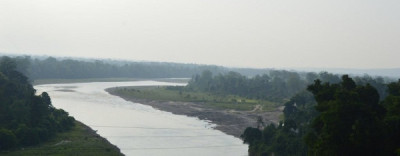
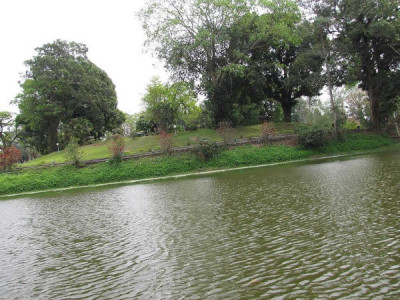
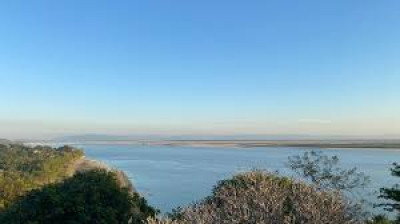
Nameri National Park is characterized by dense forests, open grasslands, riverine stretches, and seasonal wetlands. The park is crisscrossed by the Jia-Bhoroli River and its tributaries such as Diji, Dinai, Nameri, Dikorai, Doigurung, and Khari. During the monsoon season, several jheels and water channels form across the park, enhancing its ecological richness and scenic beauty.
The fast-flowing Jia-Bhoroli River also offers one of the best river rafting experiences in Assam, with breathtaking views of forested hills and distant snow-capped Himalayan peaks.
Nameri Tiger Reserve Structure and Area
The Nameri Tiger Reserve is composed of multiple protected units:
-
Core Area: Nameri National Park – 200 sq km
-
Satellite Core: Sonai-Rupai Wildlife Sanctuary – approx 120 sq km
-
Eastern Buffer: Naduar Reserve Forest – 80 sq km
-
Western Buffer: Balipara Reserve Forest – 64 sq km
This well-defined zoning supports effective wildlife management and habitat protection.
Wildlife and Mammals at Nameri National Park
Nameri supports a healthy prey base and a diverse carnivore population. According to past estimates, the park recorded a significant tiger presence, supported by connectivity with adjoining forests.
Key mammals found in Nameri National Park include:
-
Royal Bengal Tiger
-
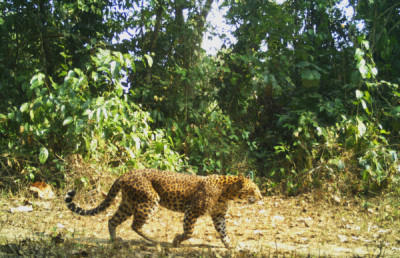
Leopard and Clouded Leopard
-
Asiatic Elephant
-
Wild Dog (Dhole)
-
Sloth Bear
-
Gaur
-
Sambar Deer
-
Hog Deer
-
Barking Deer
-
Hispid Hare
-
Capped Langur
-
Slow Loris
-
Binturong
-
Burmese Ferret Badger
The presence of multiple sympatric carnivores makes Nameri ecologically significant in Assam.
Birdwatching at Nameri National Park
Nameri is internationally renowned as an Important Bird Area and is best known for conserving the critically endangered White-winged Wood Duck, with one of the highest remaining breeding populations in the wild.
Over 350 species of birds have been recorded here, including:
-
Great, Wreathed and Rufous-necked Hornbills
-
White-cheeked Partridge
-
Ibisbill
-
Jerdon Babbler
-
Sultan Tit
-
Oriental Hobby and Amur Falcon
-
Pallas Fish Eagle, Grey-headed Fish Eagle
-
Long-billed Plover and Silver-backed Needletail
The park is a must-visit destination for bird photographers and ornithologists.
Reptiles and Aquatic Life
Nameri also shelters a wide variety of reptiles and amphibians such as:
-
King Cobra and Indian Cobra
-
Pit Vipers
-
Assam Roofed Turtle
-
Indian Flapshell Turtle
-
Softshell Turtles
-
Monitor Lizard
-
Myanmarese Python
Safari and Activities in Nameri National Park
Unlike many other national parks, Nameri focuses on guided forest walks, elephant rides, river rafting, and birdwatching excursions rather than jeep safaris inside the core zone.
Safari and entry charges vary for Indian and foreign tourists and include fees for entry, elephant rides, photography, and filming. Elephant rides are conducted under forest department supervision, while rafting on the Jia-Bhoroli River remains a major tourist attraction.
Best Time to Visit Nameri National Park
The best time to visit Nameri National Park is from November to March, when the weather remains pleasant and wildlife activity is high. The park generally remains closed during peak monsoon months due to heavy rainfall and river swelling.
How to Reach Nameri National Park
Where to Stay Near Nameri National Park
Popular accommodation options include:
-
Nameri Eco Camp at Potasali
-
Forest camps and eco lodges near the park
-
Hotels and guesthouses in Tezpur town
These stays offer easy access to park activities and guided excursions.
Administration and Contact Details
Nameri National Park and Tiger Reserve is administered by the Western Assam Wildlife Division.
Phone: +91-7099045650
Quick Information Table on Nameri National Park and Tiger Reserve
| Information | Details |
|---|---|
| Location | Sonitpur district, Assam |
| Core Area | 200 sq km |
| Total Tiger Reserve Area | 464 sq km |
| Best Time to Visit | November to March |
| Nearest Town | Tezpur |
| Nearest Airport | Tezpur Airport |
| Nearest Railway | Dekargaon |
| Famous For | White-winged Wood Duck, birdwatching |
| Activities | Birding, rafting, elephant rides |
| Status | National Park and Tiger Reserve |
FAQs on Nameri National Park and Tiger Reserve