In Depth
Natural Formation and Wetland Ecology
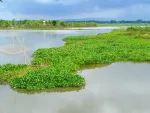
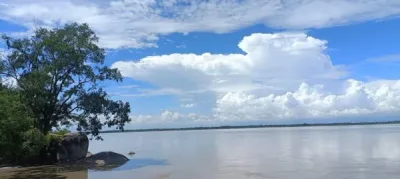
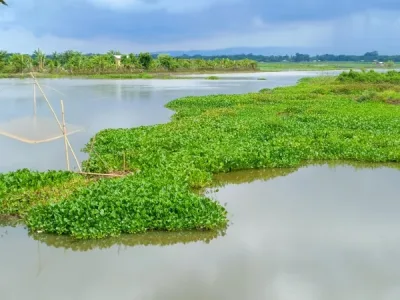
Morikolong Beel is associated with the floodplain landscape of the Brahmaputra Valley and is described as an oxbow-type wetland formed from an old river channel. Its water body supports local fish populations and provides a habitat for aquatic organisms and birds. The beel also plays a role in the surrounding area's water system, making it valuable to both the local environment and nearby communities.
Local Livelihood and Scenic Experience
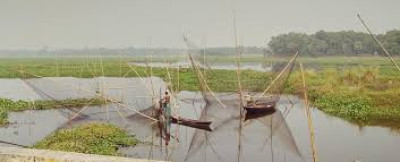
Fishing is an important activity around the wetland, supporting the livelihoods of people living in neighbouring villages. Visitors can enjoy views of the calm water, surrounding greenery and reflections across the lake, particularly during the early morning and evening hours. Local rejuvenation initiatives have also introduced waterfront walking areas, creating opportunities for relaxed walks and sunset viewing.
Best Time to Visit Morikolong Beel
October to February is generally a comfortable period to explore Morikolong Beel. The cooler weather makes outdoor visits more pleasant, while winter can offer opportunities to observe birds around the wetland. During the monsoon, heavy rainfall may raise water levels and affect access to nearby areas.
How to Reach Morikolong Beel
From Guwahati, travel towards Morigaon by road using buses, taxis or private vehicles. Jagiroad Railway Station is a convenient nearby railhead, from where visitors can continue to Morigaon by local transport. Travellers arriving by air can use Lokpriya Gopinath Bordoloi International Airport in Guwahati and proceed towards Morigaon by road. From Morigaon town, local autos or taxis can take visitors towards Raina Pathar and Buhagaon.
Nearby Attractions and Visitor Tips
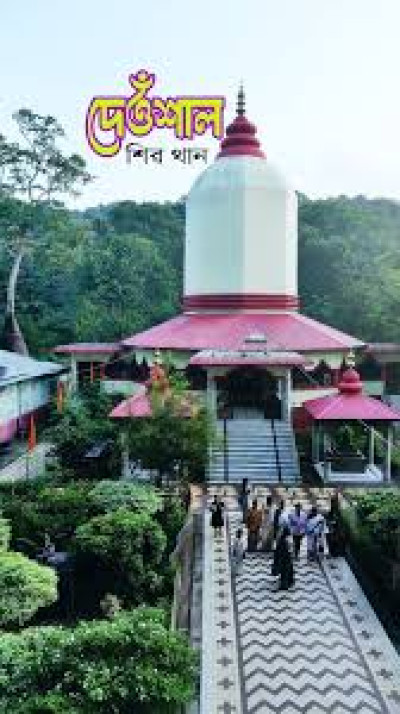
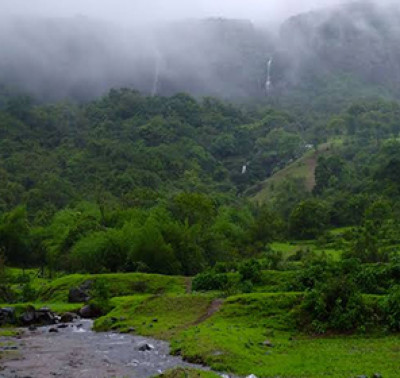
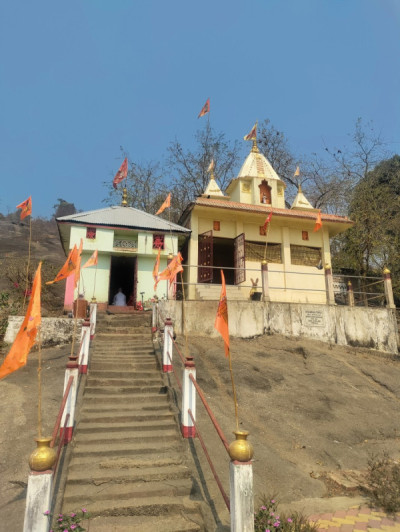
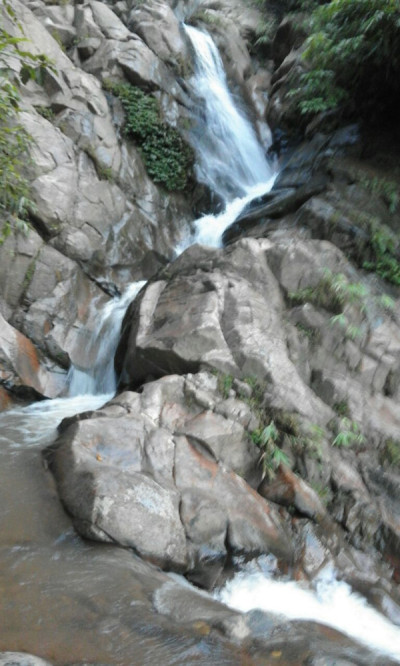
Visitors can combine a trip to the beel with local attractions such as Padum Pukhuri Park and Charanbil Park. For a longer excursion, Pobitora Wildlife Sanctuary, Deosal Shiv Mandir and Sivakunda Waterfall are other places to consider in the wider region.
Morikolong Beel is primarily a natural wetland rather than a fully developed tourist destination. Visitors should arrange their transport in advance, carry drinking water and snacks, avoid littering and respect fishing activities and the surrounding ecosystem.