In Depth
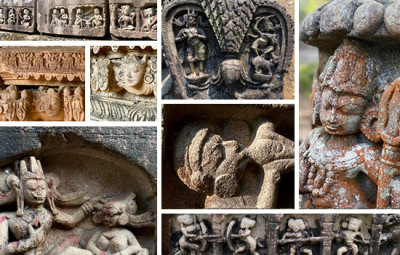
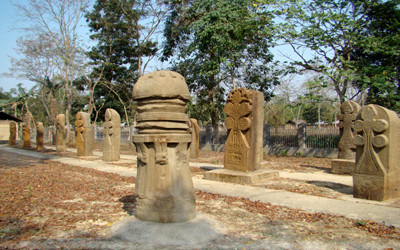
These monoliths are not just architectural marvels; they serve as historical markers reflecting the Kachari kingdom's influence and the pre-Ahom cultural landscape of Assam. A striking feature is a phallic-shaped monolith adorned with ornamental carvings, resembling the monuments found in Dimapur's Kachari Royal Fort, indicating cultural continuity and craftsmanship.
How to Reach:
-
By Air: The nearest airport is Jorhat Airport, about 80 km from Golaghat. From the airport, taxis and buses are available.
-
By Train: The Golaghat railway station is well-connected to major cities of Assam like Guwahati and Jorhat.
-
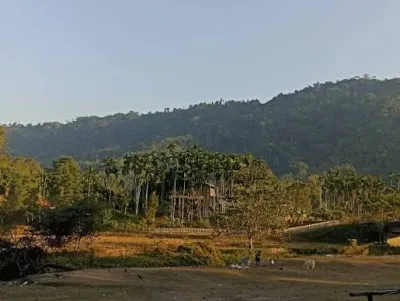
By Road: From Golaghat town, take NH 37, heading east towards Numaligarh. From there, a turn towards Kasomari Pathar leads to the monolith site via a paved country road passing through lush tea gardens and paddy fields.
Best Time to Visit:
-
October to March is ideal for visiting when the weather is pleasant, and the region’s scenic beauty is at its peak. Avoid the monsoon months (June–September) due to heavy rainfall and slippery terrain.
Where to Stay:
-
Golaghat Town: Offers mid-range hotels, guesthouses, and homestays. Popular options include Hotel Landmark and Hotel Brahmaputra Ashok.
-
Nearby Kaziranga National Park: For travelers combining heritage and wildlife tourism, eco-resorts and lodges near Kaziranga provide a scenic stay.
Significance of the Monoliths:
-
The monoliths are protected by the Archaeological Survey of India, preserving their historical and cultural importance.
-
They are believed to have been used as cenotaphs to fallen Kachari warriors.
-
The monoliths illustrate ancient stone quarrying, transportation, and intricate carving techniques, as the stones were sourced from quarries located 30–40 km away.
Site Layout:
-
Two rows of monoliths: front row with 18 pillars, back row with 15 pillars.
-
Most monoliths resemble chisels, with rectangular cross-sections and sharp tops.
-
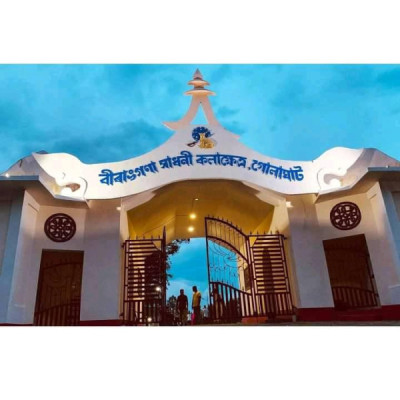
The site contains a concrete boundary wall and gates, facilitating visitor access and protection.
The Kasomari Pathar Monoliths provide a fascinating glimpse into Assam's medieval past, Kachari heritage, and pre-Ahom civilizations, making them a must-visit for history enthusiasts, archaeologists, and tourists exploring Northeast India.
Quick Info Table on Kasomari Pathar Monoliths
| Attribute | Details |
|---|---|
| Name | Monoliths of Golaghat |
| Location | Kasomari Pathar, Golaghat District, Assam, India |
| Cultural Origin | Kachari Kingdom |
| Number of Monoliths | 33 |
| Maximum Height | 15 ft |
| Period | 5th–7th century CE |
| Type | Sandstone, Chisel-shaped, Ornamental carvings |
| Nearest Airport | Jorhat Airport (80 km) |
| Nearest Railway | Golaghat Railway Station |
| Best Time to Visit | October–March |
FAQs on Kasomari Pathar Monoliths
-
Where are the Monoliths of Golaghat located?They are located at Kasomari Pathar in Golaghat district, Assam.
-
What is the historical significance of Golaghat monoliths?They represent the Kachari kingdom’s heritage and may have been cenotaphs for fallen warriors.
-
How tall are the monoliths at Kasomari Pathar?The tallest monoliths reach up to 15 feet.
-
What is unique about the Golaghat monoliths?They feature intricate carvings, including animals, floral patterns, and phallic-shaped monoliths.
-
How can I reach the Monoliths of Golaghat?Accessible by road from Golaghat town via NH 37 and NH 39; nearest airport is Jorhat, nearest railway is Golaghat station.
-
When is the best time to visit Golaghat monoliths?October to March, avoiding heavy monsoon rains.
-
Are there accommodations near Golaghat monoliths?Yes, Golaghat town and nearby Kaziranga National Park offer hotels, guesthouses, and lodges.
-
Who built the Monoliths of Golaghat?They are attributed to the Kachari culture of Assam, dating back to 5th–7th centuries.
-
Is the site protected by any authority?Yes, the Archaeological Survey of India protects the Kasomari Pathar Monoliths.
-
What else can I explore near Golaghat monoliths?Nearby attractions include Kaziranga National Park, tea gardens, and historic Ahom-Kachari sites.