In Depth
The story of Molai Forest began in 1979 after severe flooding affected the Brahmaputra River. A young Jadav Payeng witnessed hundreds of snakes dying on a treeless sandbar because they had no shelter from the scorching sun. Deeply moved by the incident, he decided to plant bamboo saplings and later expanded his efforts by planting thousands of native trees. For more than four decades, he continued nurturing the growing forest almost entirely on his own. His unwavering commitment transformed an empty sandbar into one of India's most inspiring examples of ecological restoration.
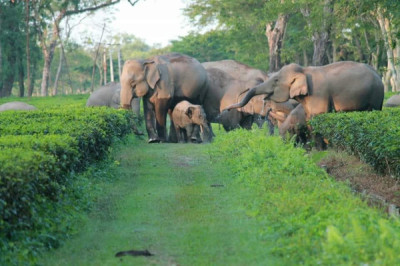
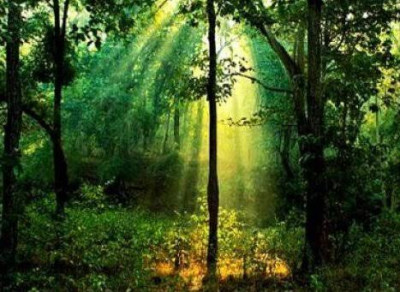
Today, Molai Forest is home to an impressive variety of flora and fauna. Thousands of indigenous trees including arjun, koroi, ejar, himolu, moj, bamboo and several other native species thrive inside the forest. The dense vegetation has created a healthy ecosystem that supports Bengal tigers, Indian rhinoceroses, Asian elephants, deer, wild boars, rabbits, monkeys, reptiles, vultures and hundreds of bird species. Every year, herds of wild elephants visit the forest, making it one of the most unique wildlife habitats developed through individual effort.
The forest is also important for protecting the fragile river ecosystem. The extensive tree cover helps reduce soil erosion, stabilizes the sandbar, improves groundwater retention, absorbs carbon dioxide, and creates a suitable habitat for wildlife. Molai Forest has become an internationally recognized symbol of sustainable environmental conservation and demonstrates how determined individual action can positively transform nature.
Apart from its ecological importance, Molai Forest has become an educational destination for students, environmental researchers and conservationists. Visitors come here not only to enjoy nature but also to learn about afforestation, biodiversity conservation and climate change mitigation. Several documentaries, books and international media reports have featured the inspiring work of Jadav Payeng, making Molai Forest one of Assam's best-known environmental landmarks.
The forest offers a peaceful atmosphere unlike traditional tourist destinations. Walking through its shaded trails, listening to the sounds of birds and experiencing the untouched natural surroundings provides visitors with a memorable experience. Since the forest remains largely untouched by commercial development, it retains its authentic wilderness and natural beauty. Visitors are encouraged to maintain cleanliness, avoid disturbing wildlife and respect the fragile ecosystem during their visit.
How to Reach Molai Forest?
Molai Forest is located near Kokilamukh, around 30 km from Jorhat city in Assam. The nearest airport is Jorhat Airport, while Jorhat Railway Station is the closest major railway station. From Jorhat, visitors can hire a taxi or auto-rickshaw to reach Kokilamukh. After arriving at Kokilamukh, a short boat ride across the Brahmaputra River is required to reach the river island, followed by a walk through the surrounding area before entering the forest. Since local transportation and boat services may vary depending on river conditions and weather, it is advisable to begin the journey early in the morning. Visitors are also encouraged to contact local residents or seek guidance near Jadav Payeng's residence before entering the forest.
Where to Stay Near Molai Forest?
There are no hotels or resorts inside Molai Forest because of its protected natural environment. Most tourists choose to stay in Jorhat, where accommodation options range from budget hotels to premium stays with modern facilities. Homestays around Majuli and Kokilamukh are also becoming increasingly popular among travelers looking for an authentic rural experience. Staying in Jorhat or Majuli allows visitors to combine their trip with other popular attractions such as Majuli Island, Dhekiakhowa Bornamghar, and nearby cultural villages.
The ideal time to visit Molai Forest is between October and March when the weather remains pleasant and the Brahmaputra River is easier to navigate. During the monsoon season, heavy rainfall and flooding may affect accessibility. Visitors should wear comfortable walking shoes, carry drinking water, use insect repellent, and avoid littering to help preserve this remarkable ecological treasure.
Molai Forest is far more than a tourist destination. It stands as a living example of perseverance, environmental responsibility and the incredible impact that one dedicated individual can have on nature. A visit to this unique forest not only offers breathtaking natural beauty but also leaves every traveler with a deeper appreciation for conservation and sustainable living.
Molai Forest Visitor Information
Near By Airport: Jorhat Airport
Nearest Railway Station: Jorhat Railway Station
Best Season: October to June
Visiting Time: 6:00 AM to 5:00 PM
Ideal Duration: 2-3 Hours
Best For: Nature Lovers, Wildlife Enthusiasts, Bird Watching, Photography, Eco Tourism, Jungle Exploration
Distance from Jorhat City Centre: Approximately 16 km
Local Transport: Taxi, Private Cab, Auto Rickshaw, Boat (from Kokilamukh)
Entry Fee: No Entry Fee
Important Information Before Visiting Molai Forest
Visitors should start their journey early in the morning, especially if travelling from Jorhat, as local transportation and boat services become limited later in the day. There are no commercial facilities, restaurants, washrooms or shops inside the forest, so carrying drinking water, light snacks and essential medicines is recommended. The forest is a protected ecological zone, therefore visitors should avoid littering, making loud noises or disturbing wildlife. Comfortable walking shoes, insect repellent and a camera are recommended for a pleasant experience. Hiring a local guide or taking assistance from nearby residents can make the visit more informative.
Molai Forest Weather
Molai Forest remains open throughout the year, but weather conditions vary across seasons. The best experience is generally between October and April when the climate is pleasant and outdoor exploration becomes comfortable.
Summer (March to June)
Temperature: 25°C to 35°C
Summer is warm and humid with occasional rainfall. Visitors should wear light cotton clothes, comfortable walking shoes, sunglasses, hats and apply sunscreen while exploring the forest.
Monsoon (July to September)
Temperature: 24°C to 30°C
Heavy rainfall during the monsoon makes boat travel and forest trails difficult. Waterproof footwear, raincoats and umbrellas are highly recommended. Visitors should also check local weather conditions before planning the trip.
Autumn (October to November)
Temperature: 20°C to 28°C
Autumn offers one of the best times to visit Molai Forest. The weather remains comfortable with clear skies, lush greenery and pleasant temperatures, making it ideal for photography and wildlife observation.
Winter (December to February)
Temperature: 10°C to 20°C
Winter is considered the most comfortable season for visiting Molai Forest. Cool temperatures, dry weather and better visibility create excellent conditions for sightseeing, bird watching and nature walks. Carry light woollen clothing during early mornings and evenings.
FAQs on Molai Forest
1. Where is Molai Forest located?
Molai Forest is located near Kokilamukh in Jorhat district, close to Majuli Island, on a sandbar of the Brahmaputra River in Assam.
2. Why is Molai Forest famous?
Molai Forest is famous because it was created almost single-handedly by Padma Shri awardee Jadav Payeng, popularly known as the Forest Man of India.
3. Who created Molai Forest?
Molai Forest was created by environmental conservationist Jadav Payeng through decades of continuous tree plantation and forest restoration.
4. How can I reach Molai Forest from Jorhat?
You can travel from Jorhat to Kokilamukh by taxi or auto-rickshaw, take a boat across the Brahmaputra River, and then walk a short distance to reach Molai Forest.
5. What is the best time to visit Molai Forest?
The best time to visit Molai Forest is from October to April when the weather is pleasant and travel conditions are favourable.
6. Is there any entry fee for Molai Forest?
No. Visitors currently do not have to pay any entry fee to explore Molai Forest.
7. Which animals can be seen in Molai Forest?
Molai Forest is home to elephants, deer, Bengal tigers, Indian rhinoceroses, wild boars, monkeys, rabbits, vultures and many species of birds.
8. Are hotels available near Molai Forest?
There are no hotels inside the forest. Visitors can stay in Jorhat city, Kokilamukh or nearby homestays in Majuli.
9. How much time is required to visit Molai Forest?
A visit generally takes about 2 to 3 hours, although wildlife enthusiasts and photographers may spend more time exploring the area.
10. Why should tourists visit Molai Forest?
Molai Forest offers a unique opportunity to witness one of the world's most inspiring man-made forests, rich biodiversity, peaceful natural surroundings and the extraordinary environmental legacy of Jadav Payeng.