In Depth
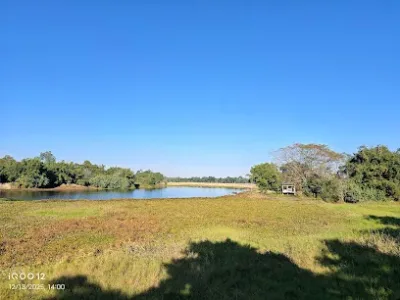
The Mishing community forms an important part of Majuli's cultural identity. Their settlements are generally surrounded by paddy fields, wetlands and waterways, creating a peaceful rural environment. Visitors can explore the villages on foot or by bicycle and observe traditional activities that have been preserved through generations.
History and Cultural Identity of the Mishing Community
The Mishing, also known as Mising, community belongs to the Tani group of people and has historical connections with the hill regions of present-day Arunachal Pradesh. Over generations, they established settlements across the Brahmaputra Valley, adapting their lifestyle to the riverine environment of Assam.
The Mishing people speak their own language and many residents also communicate in Assamese. Their cultural practices reflect traditional beliefs, community customs and influences from the wider Assamese society. Agriculture, fishing, weaving and livestock rearing continue to play important roles in village life.
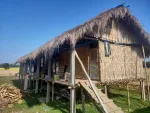
Chang Ghar: Traditional Mishing Stilt Houses
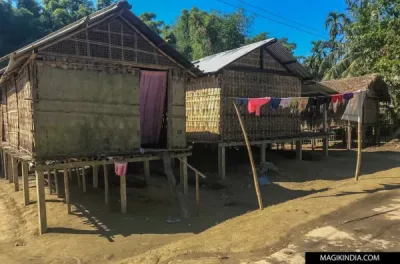
One of the most recognisable features of a Mishing village is the traditional Chang Ghar, also called Sang Ghar. These houses are constructed using bamboo, timber and other locally available materials, with the main living area raised above the ground on strong supporting posts.
This architectural style is particularly suitable for the flood-prone areas of Majuli. During the monsoon, when water levels rise, the elevated homes help protect families and household belongings from seasonal flooding. Many houses have a traditional hearth and open spaces beneath the raised structure, where visitors can observe aspects of rural life.
Handloom Weaving and Traditional Mishing Textiles
Handloom weaving is an important part of Mishing culture, with women playing a central role in preserving this traditional craft. Using household looms, they create colourful cotton and silk fabrics featuring distinctive patterns and geometric designs. Traditional garments such as the Gadu and other community textiles reflect the artistic skills passed down through generations.
Visitors may get an opportunity to observe weaving demonstrations, learn about traditional designs and understand how these fabrics are used during festivals and everyday life.
Festivals, Traditional Food and Village Experiences
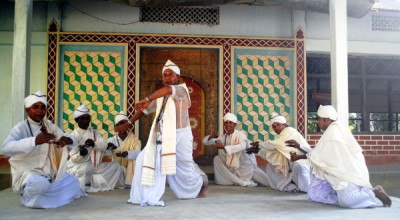
Ali-Ai-Ligang is one of the most important festivals of the Mishing community. Celebrated around February, it marks the beginning of the agricultural season and includes traditional Gumrag dance, folk music and community feasts. Po:rag is another significant celebration associated with harvest thanksgiving and community gatherings.
Traditional Mishing meals commonly include rice, river fish, seasonal vegetables and locally prepared dishes. Apong, a traditional fermented rice beverage, is also associated with hospitality and festive occasions. Visitors should respect local customs and seek permission before photographing residents, entering homes or participating in community activities.
Mishing Villages, Homestays and Nearby Attractions
Travellers can explore places such as Gosaibari Mising Gaon near Kamalabari Road, OBONORI (The Mishing Riverine Eco-Village) at Maghuachuk, and Me:nam Homestay at Kesaikhua Gaon. These locations offer opportunities to experience village surroundings and local hospitality.
Salmora Gaon is another interesting stop, particularly for its traditional clay pottery and riverfront scenery. Visitors can also combine their village exploration with nearby attractions such as Kamalabari Satra, Auniati Satra, Samaguri Satra and Dakhinpat Satra.
Best Time to Visit Mishing Villages in Majuli
November to March is generally a comfortable period for exploring Mishing villages, with pleasant weather and opportunities to enjoy outdoor activities. February is especially interesting for visitors who wish to experience Ali-Ai-Ligang celebrations. Travellers should visit with respect for local traditions and remember that these villages are residential communities, not commercial tourist attractions.
Village Stays and Contact Details
1. OBONORI – The Mishing Riverine Eco-Village
Address: Maghuachuk, No. 1 Badhakara, Assam 787032
Phone: 7029319841, 6000637319, 7002070060
Experience: A riverine village stay featuring Mishing culture and traditional hospitality.
2. Me:nam Homestay (Majuli)
Address: Jengrai Chapori Road, Kesaikhua Gaon, Moghua Chuk, Assam 785105
Phone: +91 80990 30891
Experience: Homestay accommodation with opportunities to experience village life and local food.
3. Gosaibari Mising Gaon
Address: Kamalabari Road, Mising Gaon, Gosai Bari, Natun Kulamora Chapori N.C., Assam 785104
Experience: A traditional village setting with bamboo houses, green fields and opportunities for local cycling.
4. Salmora Gaon
Address: Near Bongaon, Chakuli Pathar, Majuli, Assam 785110
Experience: Traditional pottery, village culture and riverfront views.
Accommodation availability, facilities and contact numbers should be confirmed directly before planning a stay.
Visitors can also choose from the following accommodation options at Majuli:
1. Bamboo Cottages and Eco-Stays in Majuli
1. River Wind Cottage
Address: DC Court to Road, Garamur Phutuki Chapori, Monika Pathar, Majuli, Assam 785104.
Phone: +91 94352 03024.
2. Ruwad: Okum - Bamboo Cottages
Address: Chitadar, Chitadar Chuk, Garamur Phutuki Chapori, Majuli, Assam 785104.
Phone / WhatsApp: +91 93946 96559.
3. Okegiga Homes
Address: Chitadar Chuk, Garamur Phutuki Chapori, Majuli, Assam 785104.
Phone: +91 88223 90306.
4. Mahabahu Bamboo Cottage
Address: B Road, Pohar Dia / Bengena Ati, near Kamalabari Satra, River Bank of Brahmaputra, Majuli, Assam 785106.
Phone: +91 60007 46273, +91 75780 57332.
5. Shantikunj Bamboo Cottage
Address: Garamur Saru Satra, opposite Veterinary Sub-centre, Garamur Chariali, Majuli, Assam 785104.
Phone: +91 98643 48113.
6. Dekasaang
Address: Sitadar Chuk, near River Luit, Garmur Chariali, Majuli, Assam 785104.
Phone: +91 98547 15435, +91 84748 38295.
2. Local Homestays and Guesthouses in Majuli
1. Dharitry Homestay Majuli
Address: Doria Gaon, Majuli, Assam 785106.
Phone: +91 93941 25107, +91 98645 34329.
2. Apun Majuli Guest House
Address: Majuli College Road, near Kamalabari Satra, Kamalabari Chariali, Majuli, Assam 785106.
Phone: +91 98647 77937.
3. Risong Family Guest House
Address: Krishna Chandra Dev Path, Garamur Chariali, Garmur Satra, Natun Kulamora Chapori N.C., Majuli, Assam 785104.
Phone: +91 99571 86356.
Contact Person: Monjit.
4. Rupali Tant Ghar and Homestay
Address: Tourism Tiniali, Auniati Road, Kamalabari Chariali, Doria Gaon, Majuli, Assam 785106.
Phone: +91 91018 29796 (Rumi Medhi Hazarika), +91 94356 56888 (Manas).
5. Niribili Homestay
Address: Uttar Kamalabari Satra Road, near Kamalabari CHC Campus Road, Kamalabari Chariali, Majuli, Assam 785106.
Phone: +91 98641 65280, +91 94357 88736, +91 60010 47487.
6. Jyoti Bamboo Garden Homestay
Also Known As: Jyoti Home Bamboo Garden Lodge.
Address: Kulamora Chapori N.C., near Namghar, Garamur Saru Satra, Majuli, Assam 785104.
Phone: +91 94356 57282.
Accommodation Tips for Visitors
Travellers planning to visit Tengapania View Point can consider staying around Garamur or Kamalabari, as these areas provide access to several homestays, bamboo cottages and cultural attractions across Majuli. Advance booking is advisable during winter holidays, festivals and the Raas Mahotsav period, when accommodation demand increases.