In Depth
For travellers exploring unusual places in Guwahati, Mini Tajmahal offers an opportunity to discover a landmark that combines distinctive design, local faith and a story of remembrance.
Location and Overview
Mini Tajmahal is located in Hatigaon, Milan Nagar, near Khanka Road in Guwahati, Assam. The surrounding neighbourhood is part of the city's expanding urban landscape, although the approach may include narrow or dusty local roads. It is accessible by auto-rickshaw, taxi and local public transport, making it a possible short stop during a Guwahati sightseeing trip.
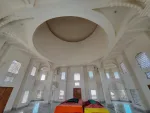
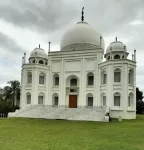
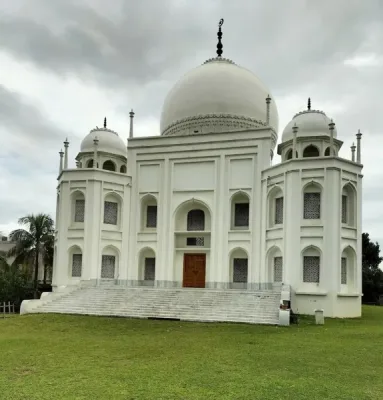
The structure is commonly described as approximately 100 feet tall and features three prominent domes, minaret-like towers and several entrances. Its pale exterior and decorative details make it stand out from the buildings around it. The site is associated with the names Khanka Masjid and Mazar Sharif in different descriptions, reflecting its religious and memorial character.
Visitors should understand that this is not simply a public monument or a conventional landscaped tourist park. It functions as a religious site, so its customs and the activities taking place there should be respected.
History and Story Behind Mini Tajmahal
Accounts about the site's origins connect its construction with Hazrat Murtaza Ali Shah Safwi and Sufia Begum Shah Safwi. Many online travel descriptions present the building as a tribute to the two figures, often explaining it as an expression of a son's respect and affection for his parents. The story has helped give the structure a meaning beyond its visual similarity to the Taj Mahal.
Public accounts commonly place the construction period between around 2012 and its reported completion or inauguration in 2018-2019. Matab Husain and Zakir Husain are among the names associated with the project in online descriptions, which also refer to contributions from devotees and followers. Detailed official documentation about the construction and legal ownership is not readily established in the information provided, so these details should be confirmed locally if precise historical records are required.
The monument's inspiration is easy to recognise: the white exterior, domes and vertical towers recall elements of Mughal-style architecture. Yet the Guwahati structure has its own local context, rooted in religious devotion and remembrance rather than the imperial history of the original Taj Mahal.
Architecture and Things to See
The main feature is the white structure itself. Its central domes, smaller architectural elements and decorative surface work create a striking appearance, particularly when viewed from outside. Visitors interested in architecture can observe how the design borrows familiar features associated with the Taj Mahal while adapting them to a different setting and purpose.
The surrounding grounds may provide opportunities to pause, appreciate the building and take photographs where permitted. The atmosphere and available space can vary according to visitor numbers and religious activities. Unlike a large heritage complex, the site does not necessarily offer extensive gardens, formal exhibits or organised sightseeing facilities.
Photography is one reason people visit Mini Tajmahal, but visitors should ask permission before photographing worshippers, religious ceremonies or private areas. Respect any signs or instructions restricting photography and access.
Religious Significance and Annual Urs
Mini Tajmahal is associated with Sufi devotion and remembrance. Descriptions of the site mention an annual Urs gathering connected with the revered figures commemorated there, commonly reported for November 26. An Urs is a commemorative observance found in Sufi traditions, and such gatherings can bring devotees together for prayers and religious activities.
The schedule and arrangements may change, so visitors hoping to attend a specific event should verify the date and local guidance before travelling. During religious gatherings, the site may be busier than usual, and access to some areas could be restricted.
Entry Fee and Visiting Hours
Public listings have described the site as accessible throughout the day, including 24-hour opening information. However, a listing does not guarantee that every part of a religious site is open to visitors at all hours. Daylight visits are generally more practical for viewing the architecture and finding the entrance.
Information about entry charges is inconsistent. Some public descriptions report no ticket fee, while later online posts have mentioned a possible charge of around Rs. 100. As a result, visitors should confirm the current fee and access rules locally rather than relying on an unverified fixed price.
How to Reach Mini Tajmahal Guwahati
From central Guwahati, visitors can hire an auto-rickshaw or taxi towards Hatigaon and ask for Khanka Road in Milan Nagar. Local buses serving Hatigaon may also be an option; from a suitable stop, visitors can ask residents for the final approach. Travel time and fares depend on traffic, route and the exact starting point.
Because some visitors have reported difficulty locating the entrance, checking a current map and confirming directions with local residents can help. If travelling by private vehicle, check parking availability before arrival, as the approach roads may be narrow.
Best Time to Visit and Visitor Tips
Morning or late afternoon is a practical choice for seeing the building in natural light and avoiding the strongest midday heat. Late afternoon can also provide attractive lighting for exterior photographs, subject to weather and site rules.
Wear modest clothing, behave respectfully and keep noise to a minimum. Follow instructions from shrine caretakers, avoid entering restricted spaces and do not disturb prayers or other religious activities. Carry drinking water, keep the area clean and check current access conditions before setting out.
Mini Tajmahal Guwahati is a noteworthy local attraction for visitors interested in architecture, religious heritage and lesser-known places around the city. Its combination of a Taj Mahal-inspired design and a story associated with faith and remembrance gives it an identity of its own. Approaching the site with realistic expectations and respect for its religious purpose can make the visit more meaningful.