In Depth
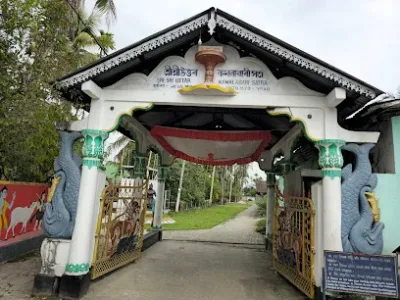
The camp is particularly suitable for travellers interested in community-based tourism, traditional food and a closer connection with rural life in Majuli.
Traditional Mising Bamboo Cottages
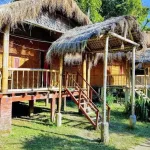
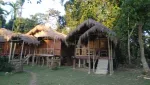
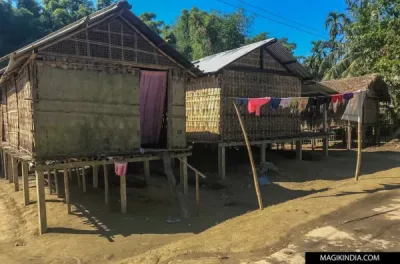
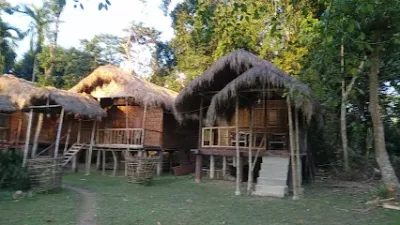
One of the main attractions of Mepo Okum Eco Camp is its traditional bamboo accommodation. The cottages are inspired by the Mising chang ghar, a stilt-house style commonly found in flood-prone areas of Assam. Built with bamboo walls and flooring, these structures reflect the community's traditional approach to living in harmony with the local environment.
The rooms generally include beds with mosquito nets and attached bathrooms with western-style fittings. Facilities are simple rather than luxurious, making the experience more about local culture and nature than modern hotel comforts. Electricity points and lighting may be limited, and hot water is generally available on request. Visitors should also expect a natural rural environment, where insects, cooler weather and nearby farm animals are part of everyday surroundings.
Traditional Mising Food and Local Hospitality
Food is an important part of the experience at Mepo Okum Eco Camp. Guests can enjoy home-style Mising and Assamese preparations made with locally available ingredients. Popular dishes include Majuli red rice, bora-saul, bamboo shoot chicken, traditional fish curries, fish cooked with thenga (elephant apple) and seasonal vegetables.
Meals offer an opportunity to explore the flavours of island cuisine and understand local food traditions. Visitors who prefer less spicy dishes can request milder preparations in advance. The camp also provides on-site dining, allowing guests to enjoy local meals without having to travel elsewhere.
Things to Do Around the Eco Camp
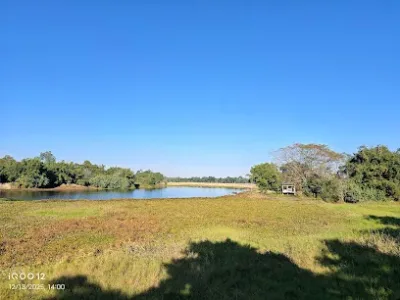
The camp can serve as a convenient base for exploring the rural side of Majuli. Visitors can take walks through nearby villages, observe traditional Mising houses and enjoy the peaceful countryside. The surrounding natural areas also offer opportunities for birdwatching and short walks towards the river, depending on local access and weather conditions.
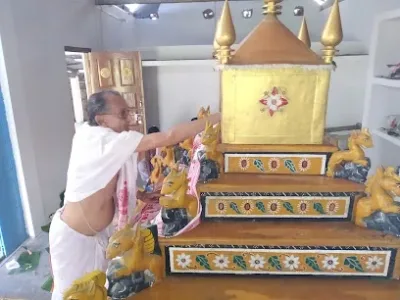
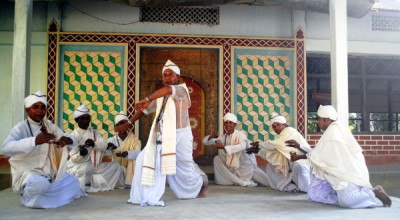
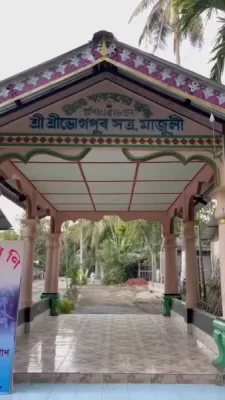
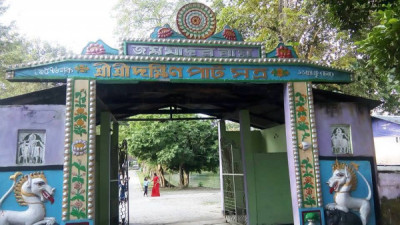
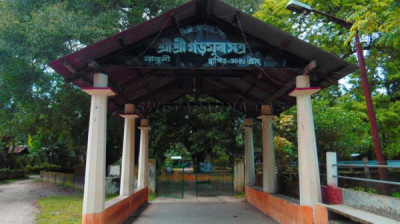
Travellers may also explore nearby Satras, the island's important Vaishnavite monasteries, and experience cultural performances such as Mising Bihu dance or Sattriya traditions when programmes are available. Cycling and country boat rides may also be possible through local arrangements. In the evening, guests can request a campfire, generally available at an additional cost.
How to Reach Mepo Okum Eco Camp
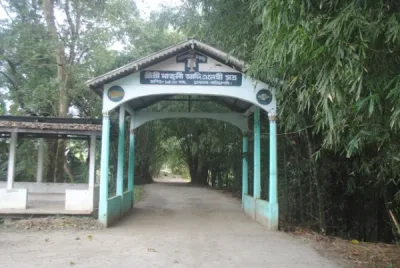
Travel to Jorhat by air, train or road, then proceed to Nimati Ghat. From there, take a ferry across the Brahmaputra towards Kamalabari Ghat on Majuli. After reaching the island, hire a local taxi, auto-rickshaw or two-wheeler to reach Kaibortta Gaon. Contact the camp before departure for directions and current road conditions, particularly during or after rainfall. Ferry schedules can change with river and weather conditions.
The contact details and location for Mepo Okum Eco Camp in Majuli, Assam are:
• Phone Numbers: +91 94352 03165 / +91 80112 09038
• Address: Kaibortta Gaon, Majuli, Assam 785104
Best Time to Visit
October to March is generally a comfortable period to visit Majuli, with cooler and relatively dry weather suited to village walks, sightseeing and outdoor activities. Carry insect repellent, comfortable walking shoes and a flashlight or power bank, as the camp offers a simple rural stay rather than conventional hotel facilities.