In Depth
The Enigmatic Past of Mayong
Mayong's association with occult practices dates back to medieval times. Folklore suggests that sorcerers of Mayong possessed extraordinary abilities, such as controlling wild animals, treating illnesses with mantras, and performing feats that seemed impossible. Tales of warriors disappearing, people transforming into animals, and magical rituals being performed in the dense forests have been passed down from generation to generation.
While many legends sound mythical today, they highlight the region’s long-standing connection with Tantra, Ayurveda, and traditional healing. Mayong once had hundreds of practitioners known as ojhas or bez, who used chants, herbs, and rituals for protection, treatment, and spiritual practices. Although the extreme forms of magic have vanished over time, the cultural legacy continues to be preserved.
Modern Mayong – A Blend of Heritage and Mystery
Today, Mayong is not a place of fear but a cultural destination where ancient manuscripts, ritual tools, and relics are preserved at the Mayong Central Museum and Emporium. This museum displays rare books on Ayurveda, tantra practices, masks, tools used in rituals, and archaeological remains unearthed from the region. Many of these artefacts date back centuries, offering a deep insight into Assam’s mystical traditions.
Even though black magic is no longer practised as widely as in earlier centuries, some local healers still perform traditional methods to treat snake bites, joint pains, or spiritual discomfort using natural herbs and chants. Visitors often find this aspect of living tradition fascinating.
Natural Attractions Around Mayong
Apart from its mysterious heritage, Mayong is known for its natural beauty and wildlife. The village is located close to the Pobitora Wildlife Sanctuary, famous for having the world’s highest density of the endangered one-horned rhinoceros. The sanctuary is a paradise for wildlife enthusiasts, offering jeep safaris, birdwatching opportunities, and scenic views of floodplains.
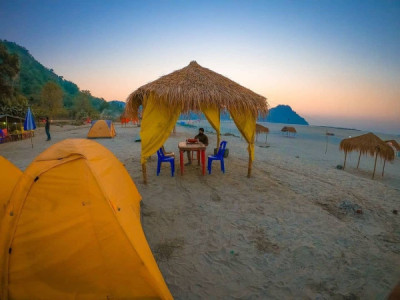
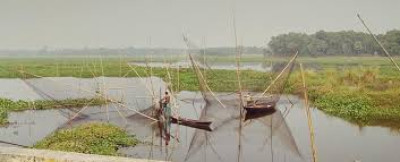
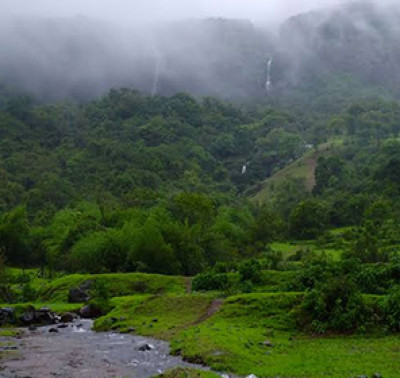
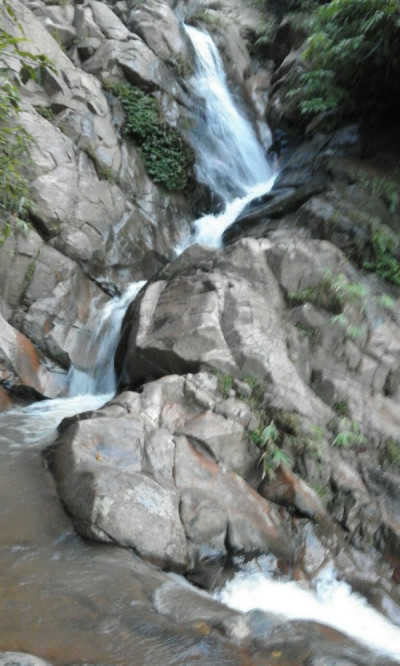
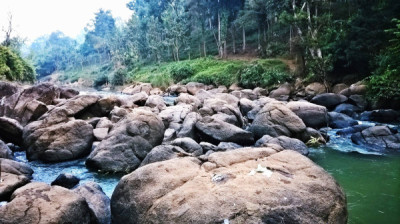
The soothing riverbanks, paddy fields, and forested hills around Mayong provide a peaceful setting for travellers looking to experience rural Assam.
Cultural Significance
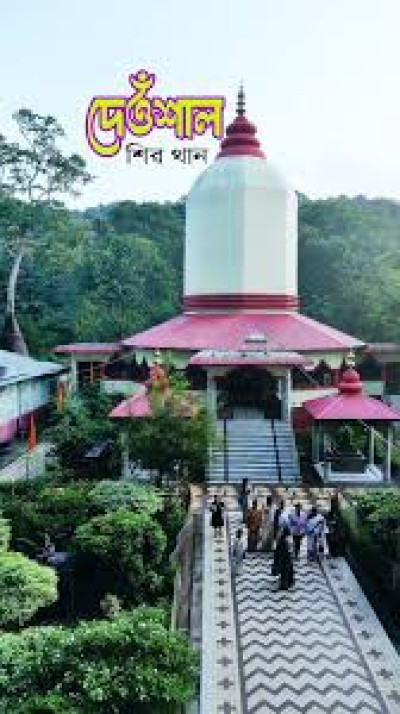
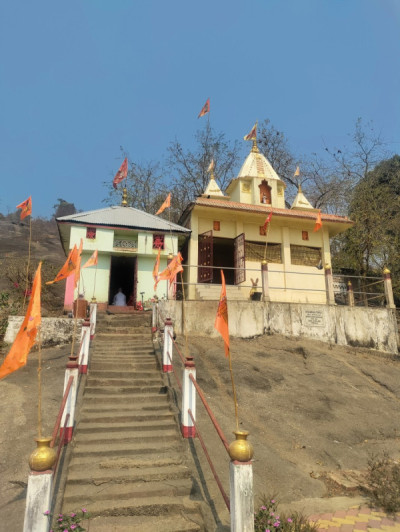
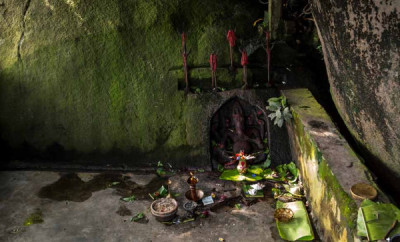
Mayong is also a centre of traditional Assamese festivals like Bihu, where rituals, dance, and music create an energetic cultural environment. The village is home to various shrines dedicated to Lord Shiva, Goddess Parvati, Lord Vishnu, and other deities. Religious sites such as Kachashila Temple, Narasinha Ashram, and Kechaikhaiti Shrine attract devotees throughout the year.
Best Time to Visit Mayong
The ideal time to visit Mayong is from November to March when the weather remains cool and pleasant. Temperatures generally range between 10°C and 24°C, making sightseeing and wildlife tours comfortable. Monsoon months (June–September) are not recommended as heavy rainfall restricts outdoor activities and safaris.
How to Reach Mayong
-
By Road: Mayong is around 40 km from Guwahati. Taxis, buses, and rental bikes are easily available.
-
By Train: The nearest railway stations are Jagi Road and Guwahati Railway Station.
-
By Air: The nearest airport is Lokpriya Gopinath Bordoloi International Airport (Guwahati).
-
Local Transport: Auto-rickshaws, shared cars, and local guides are available within the village.
Why You Should Visit Mayong
Visiting Mayong offers a rare opportunity to explore a destination that beautifully blends mythology, nature, tribal culture, and historical mystery. Whether you are fascinated by ancient practices, interested in wildlife, or simply looking for a unique getaway, Mayong offers a memorable experience unlike any other place in India.
| Quick Info – Mayong Village, Morigaon | Details |
|---|---|
| Location | Morigaon district, Assam |
| Famous For | Black magic history, folklore, traditional healing |
| Nearest City | Guwahati (40 km) |
| Nearest Airport | Guwahati International Airport |
| Nearest Railway Station | Jagi Road / Guwahati |
| Best Time to Visit | November to March |
| Major Attractions | Mayong Museum, Pobitora Wildlife Sanctuary, ancient shrines |
| River Nearby | Brahmaputra River |
| Ideal Trip Duration | 1–2 days |
| Popular Activities | Wildlife safari, cultural exploration, nature walks |
FAQs on Mayong Village
-
Why is Mayong Village famous?Mayong is famous for its ancient history of black magic, traditional healing, archaeological relics, and its proximity to Pobitora Wildlife Sanctuary.
-
Is Mayong safe for tourists?Yes. Mayong is completely safe for tourists. The stories of magic are part of cultural folklore and attract visitors interested in heritage and mystery.
-
What is the best time to visit Mayong?November to March is the best time due to pleasant weather, ideal for sightseeing and wildlife tours.
-
How far is Mayong from Guwahati?Mayong is around 40 km from Guwahati and easily accessible by taxi or bus.
-
Is black magic still practised in Mayong?Extreme forms are no longer practised, but some healers still use traditional chants and herbal remedies for healing.
-
What can I see in Mayong?The Mayong Central Museum, Pobitora Wildlife Sanctuary, ancient shrines, archaeological sites, and scenic landscapes.
-
Does Mayong have wildlife attractions?Yes, Pobitora Wildlife Sanctuary near Mayong has the world’s highest density of one-horned rhinos.
-
How many days are enough for Mayong?A one-day trip is sufficient, but adding a day for Pobitora Safari makes the visit more enjoyable.
-
Is accommodation available in Mayong?Limited stay options exist in Mayong, but plenty of hotels and lodges are available in Guwahati and Morigaon.
-
Is Mayong good for family trips?Yes, it’s a unique cultural and historical destination suitable for families, history lovers, and wildlife enthusiasts.