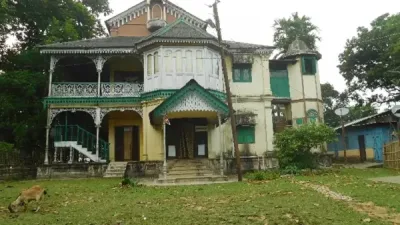
In Depth
The palace was commissioned by Raja Prabhat Chandra Barua, a prominent member of the Gauripur royal family. Construction began in 1904 and was completed in 1914. The building was created with the help of skilled craftsmen from Kolkata and combines elements influenced by Hindu, Mughal and British architectural traditions. Its elevated location also contributed to the name Hawakhana, reflecting its airy surroundings and use as a summer residence and royal retreat.
Matiabag Palace is particularly significant because of the renowned personalities associated with it. The palace was connected with filmmaker and actor Pramathesh Chandra Barua, one of the important figures in early Indian cinema. It was also closely associated with Pratima Barua Pandey, the celebrated Goalpariya folk singer and Padma Shri awardee, and Parbati Barua, widely known for her expertise in elephant culture and conservation.
Beyond its royal history, Hawakhana has a strong connection with Assamese cinema and music. Parts of films were shot at the palace, while several well-known artists and cultural personalities visited or stayed there during different periods. These associations have given Matiabag Palace a special place in the cultural history of western Assam.
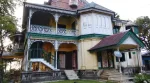
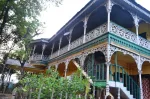
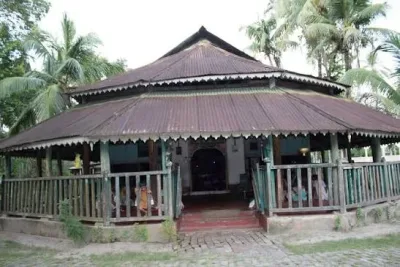
The palace's architectural details are another attraction. Its large halls, wooden flooring, numerous doors and windows, verandahs and ventilation features reflect the craftsmanship of its period. Although years of neglect affected portions of the structure and some original elements were lost, the remaining building continues to convey the grandeur of the former Gauripur royal household.
The surrounding Matiabag area adds to the experience. The Gadadhar River, greenery and elevated landscape create a calm setting for visitors interested in heritage, photography and local history. The location also provides an opportunity to learn about Gauripur's connection with Goalpariya culture and the Barua royal family.
In recent years, efforts have been made to preserve and restore Matiabag Palace as a heritage destination. The Government of Assam acquired the property for conservation and development, with plans associated with establishing a museum and heritage tourism centre commemorating Pratima Barua Pandey. The proposed preservation initiative is expected to give greater recognition to the palace and its cultural legacy.
For travellers, Matiabag Palace can be included in a Dhubri sightseeing itinerary along with other historical, cultural and religious attractions in and around Gauripur. Visitors should respect the heritage property and follow any restrictions imposed during restoration or conservation work.
History of Matiabag Palace
Matiabag Palace was built by Raja Prabhat Chandra Barua of the Gauripur royal family. Construction started in 1904 and was completed in 1914. The palace served as a royal residence and summer retreat and became popularly known as Hawakhana.
According to local tradition, the history of Gauripur is also associated with the worship of Goddess Mahamaya. A popular story describes an unusual incident witnessed by Raja Pratap Chandra Barua during a hunting expedition, which he interpreted as a divine sign and connected with the establishment of a temple dedicated to Mahamaya.
Over time, Matiabag Palace became more than a royal residence. It developed into a cultural space associated with music, cinema and prominent personalities of Assam and India. Its connection with Pramathesh Chandra Barua and Pratima Barua Pandey has made the palace particularly important in the cultural history of Gauripur.
Architecture of Matiabag Palace
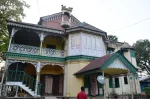
Matiabag Palace reflects a distinctive combination of architectural influences. Hindu, Mughal and British elements can be observed in its design, while craftsmanship associated with Kolkata's Chinese artisan community contributed to its construction.
The palace features spacious rooms, large halls, wooden flooring, verandahs and an extensive arrangement of doors and windows. Traditional ventilation features were incorporated to allow air to circulate through the building. Decorative details, mirror work and customised architectural fittings add to its historical character.
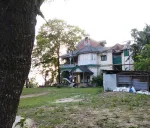
The palace was constructed on an elevated site near the Gadadhar River, giving it a naturally breezy setting. Although parts of the structure have deteriorated over time, the surviving architecture remains valuable for understanding the residential design and craftsmanship of the early twentieth century.
Famous Personalities Associated with Matiabag Palace
Matiabag Palace is strongly connected with several prominent personalities.
Pramathesh Chandra Barua, the celebrated actor, filmmaker and director associated with the classic film Devdas, spent part of his life at Hawakhana. The palace also became connected with his filmmaking activities.
Pratima Barua Pandey, one of the most respected voices of Goalpariya folk music, lived at the palace and contributed significantly to the recognition of the region's traditional musical heritage.
Parbati Barua, popularly associated with the title 'Elephant Daughter', also has a close connection with the Gauripur royal family and the palace.
Hawakhana additionally hosted or became associated with several artists, musicians and film personalities, strengthening its importance as a cultural landmark.
Restoration and Heritage Importance
After years of deterioration, demands for the preservation of Matiabag Palace increased among the local community and members of the Gauripur royal family. The Government of Assam subsequently acquired the property for conservation and heritage development.
The restoration initiative aims to protect the historic structure and create a museum and heritage tourism centre associated with Pratima Barua Pandey. Rare objects and historical materials connected with the royal family have also been proposed for preservation and public interpretation.
Once conservation and development work is completed, Matiabag Palace has the potential to become an important heritage tourism destination in western Assam.
What to See and Do at Matiabag Palace
Visitors interested in history and culture can explore the surviving palace architecture and learn about the Gauripur royal family's legacy.
Things to see and do include:
- Explore the historic Hawakhana palace building.
- Observe its distinctive Hindu, Mughal and British architectural influences.
- Learn about the Gauripur royal family.
- Discover the connection of Pramathesh Chandra Barua with the palace.
- Learn about Pratima Barua Pandey and Goalpariya folk music.
- Photograph the historic architecture and surrounding landscape.
- Enjoy views of the Gadadhar River and nearby surroundings.
- Explore other historical and cultural attractions around Gauripur and Dhubri.
Best Time to Visit Matiabag Palace
The cooler months from October to March are generally more comfortable for exploring Gauripur and other tourist attractions in Dhubri district. Winter offers pleasant conditions for sightseeing, photography and visiting nearby heritage locations.
Before planning a visit, travellers should check the current access conditions because restoration or conservation activities may affect entry to parts of the palace.
How to Reach Matiabag Palace from Guwahati?
From Guwahati, Gauripur is approximately 260 km away by road, although the actual distance and travel time can vary according to the selected route.
By Road: Gauripur and Dhubri are connected with Guwahati through Assam's road network. Visitors can travel by bus, taxi or private vehicle towards Dhubri and continue to Gauripur. The palace is located in the Matiabag area of Gauripur.
By Train: Dhubri is the nearest major railway point mentioned in the reference information. From Dhubri, visitors can take a taxi, auto-rickshaw or other local transport to Gauripur.
By Air: Lokpriya Gopinath Bordoloi International Airport in Guwahati is the principal airport for travellers arriving by air. From Guwahati Airport, visitors can continue by road towards Gauripur.
Local Transport: Auto-rickshaws, taxis and other local vehicles are available for travelling between Dhubri, Gauripur and nearby attractions.
Where to Stay at Matiabag Palace?
Visitors can choose accommodation in Dhubri or Gauripur depending on their itinerary. Dhubri town generally provides more options for hotels, guesthouses and other commercial accommodation.
Travellers looking for additional choices can also consider accommodation along the major road corridors connecting Dhubri and nearby towns. It is advisable to confirm availability and current facilities before travelling, particularly during festivals and holiday periods.
Quick Info About Matiabag Palace
| Information | Details |
|---|---|
| Name | Matiabag Palace |
| Other Names | Gauripur Rajbari, Hawakhana |
| Location | Matiabag, Gauripur, Dhubri, Assam |
| District | Dhubri |
| State | Assam |
| River | Gadadhar River |
| Built By | Raja Prabhat Chandra Barua |
| Construction | 1904-1914 |
| Historical Association | Gauripur Royal Family |
| Architecture | Hindu, Mughal and British influences |
| Major Cultural Association | Pramathesh Chandra Barua, Pratima Barua Pandey |
| Present Importance | Heritage and cultural landmark |
| Nearest Major Town | Dhubri |
| From Guwahati | Approximately 260 km by road |
| Best Time | October to March |
| Suitable For | Heritage, history, architecture, culture and photography |
FAQs About Matiabag Palace
- What is Matiabag Palace in Assam?
Matiabag Palace is a historic royal residence in Gauripur, Dhubri district, Assam. It is also popularly known as Gauripur Rajbari and Hawakhana.
- Why is Matiabag Palace famous?
Matiabag Palace is famous for its connection with the Gauripur royal family, distinctive architecture and association with personalities such as Pramathesh Chandra Barua and Pratima Barua Pandey.
- Where is Matiabag Palace located?
Matiabag Palace is located at Matiabag in Gauripur town of Dhubri district, Assam, near the Gadadhar River.
- Who built Matiabag Palace?
Matiabag Palace was built by Raja Prabhat Chandra Barua of the Gauripur royal family. Construction began in 1904 and was completed in 1914.
- Why is Matiabag Palace called Hawakhana?
The palace is popularly called Hawakhana because of its elevated location and naturally breezy surroundings. It was used as a summer residence and retreat by the Gauripur royal family.
- What is the architectural style of Matiabag Palace?
The palace features a combination of Hindu, Mughal and British architectural influences along with distinctive craftsmanship associated with artisans from Kolkata.
- Which famous singer lived at Matiabag Palace?
Pratima Barua Pandey, the renowned Goalpariya folk singer and Padma Shri awardee, was closely associated with Matiabag Palace and lived there.
- Is Matiabag Palace connected with Indian cinema?
Yes. Matiabag Palace has an important connection with Indian cinema through filmmaker and actor Pramathesh Chandra Barua. Parts of films were also associated with the palace and its surroundings.
- How far is Matiabag Palace from Guwahati?
Gauripur is approximately 260 km from Guwahati by road. Travel distance and time can vary depending on the route and transportation used.
- What is the best time to visit Matiabag Palace?
October to March is generally a comfortable period to visit Gauripur and explore Matiabag Palace and other attractions in Dhubri district. Visitors should check access conditions before travelling because conservation work may affect entry.