In Depth
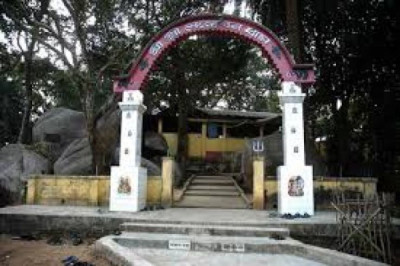
Unlike many recently constructed temples, Manikarneswar preserves traces of an older stone structure beneath its later brick construction. These architectural remains, together with traditional legends associated with the site, make the temple particularly interesting for devotees, history enthusiasts and visitors exploring North Guwahati.
History of Manikarneswar Devalaya
The temple is associated with two important periods in Assam's history. Its original stone foundation is believed to date from the 10th or 11th century, during the Pala period of the ancient Kamrup region. The surviving base has a distinctive star-shaped plan, reflecting an architectural style that distinguishes the monument from many other temples in the region.
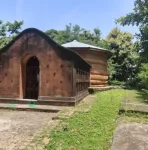
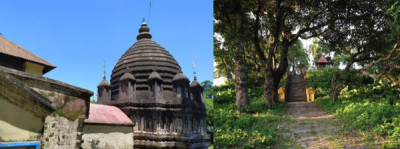
The present brick structure was built in 1755 CE under Ahom King Swargadeo Rajeswar Singha. The ruler is also credited with making arrangements for regular worship at the shrine. This reconstruction illustrates the continuing importance of older religious sites during the Ahom period, when temples and other sacred places played significant roles in community life.
The temple suffered considerable damage during the devastating earthquake of 1897, which affected many historic structures across Assam. The original shikhara, or temple tower, was damaged, and the main sanctum is now protected by a roof covering. Despite these changes, the surviving foundation and architectural fragments retain historical value.
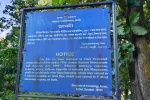
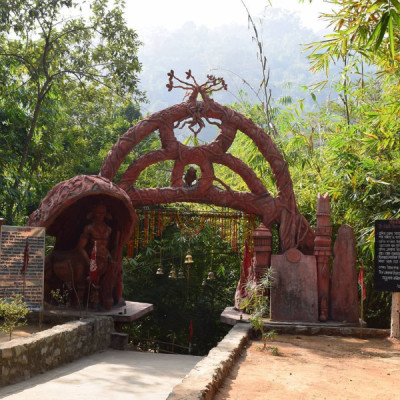
Stone sculptures, carved architectural elements and other remains associated with different periods can also be found at the site. The monument is reported to receive archaeological oversight, so visitors should follow any preservation instructions displayed on the premises.
Architecture and Things to See
One of the most distinctive features of Manikarneswar Temple is its star-shaped stone foundation. The unusual layout provides a glimpse into early medieval temple construction and makes the site worth exploring beyond its religious significance. Visitors interested in architecture can observe the surviving stonework and consider how the older foundation relates to the later brick structure.
The temple's present appearance reflects centuries of change, including reconstruction and earthquake damage. Although the original tower no longer survives in its earlier form, the historic remains offer clues to the site's architectural development. Visitors should appreciate the old stonework without touching, climbing on or removing any fragments.
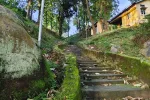
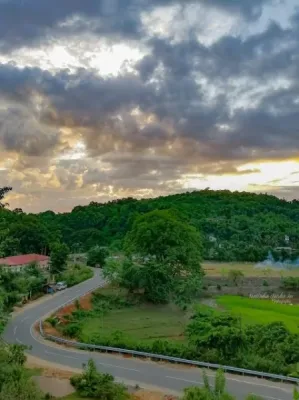
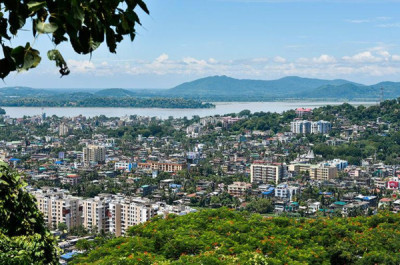
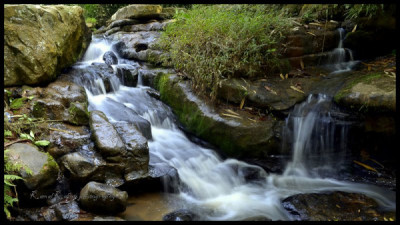
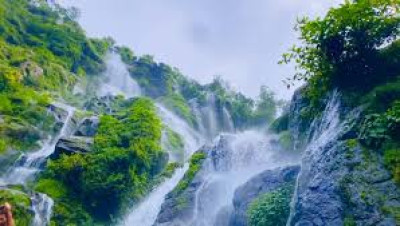
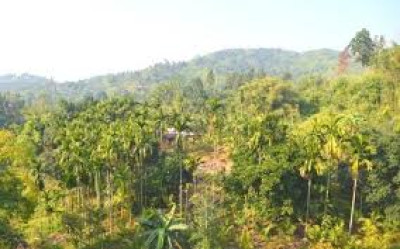
The hilltop location is another highlight. After climbing the steps leading to the shrine, visitors can enjoy views of the surrounding landscape and, where visibility permits, the Brahmaputra and nearby areas of North Guwahati. The setting is suitable for quiet reflection and appreciating the region's natural scenery. Photography rules may apply, particularly inside the main shrine, so it is best to ask temple staff before taking pictures.
Mythological Stories and Religious Importance
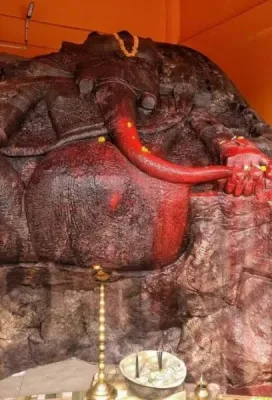
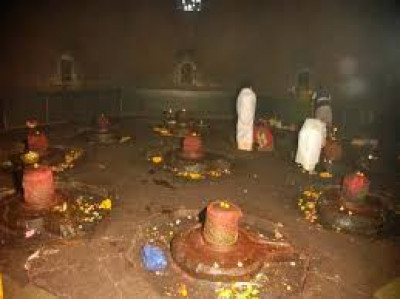
Local traditions connect Manikarneswar Temple with stories involving Lord Shiva, Goddess Sati and the demon king Narakasura. These accounts form part of the broader mythological heritage of Assam and help explain the sacred identity associated with the hill.
One legend describes Lord Shiva travelling in grief while carrying the body of Sati after the Daksha Yajna. According to the local tradition, he rested beneath a bel tree at this location. The bel tree is considered sacred in Shiva worship, and the story adds a spiritual dimension to the temple's setting.
Another account, associated with the Kalika Purana, tells of Narakasura gathering precious jewels and other riches from different realms and piling them at this place. The tradition links the accumulation of gems, including manika, with the name Manikarneswar and the hill's identity. These are religious and mythological narratives rather than independently established historical events.
Lord Shiva remains the central deity of the shrine. Devotees visit to offer prayers, seek blessings and participate in traditional worship. Maha Shivaratri is a particularly meaningful occasion for Shiva devotees, although festival arrangements and visitor numbers may vary from year to year.
Location and How to Reach Manikarneswar Temple
Manikarneswar Temple is located in the Rajaduar area of North Guwahati, Kamrup district, Assam, near the northern side of the Brahmaputra River. It can be reached by road from Guwahati using the available river crossings, including the Saraighat Bridge and other accessible bridge routes.
Visitors arriving at Guwahati Railway Station can hire a taxi or use local transport to travel towards North Guwahati. Travellers arriving at Lokpriya Gopinath Bordoloi International Airport can similarly arrange a cab, allowing additional time for traffic and the journey across the city.
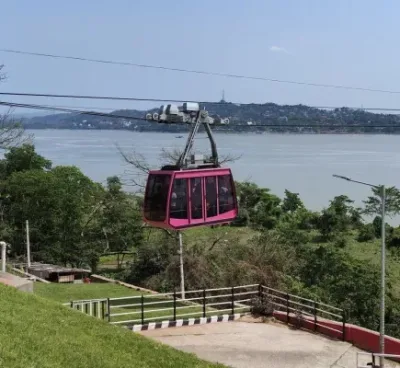
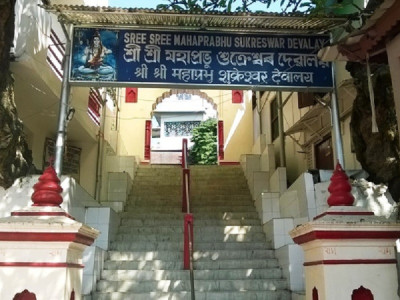
The Guwahati Passenger Ropeway is another option for crossing the Brahmaputra. However, the ropeway terminal in North Guwahati is not directly beside the temple, so visitors will need to arrange local transport or continue on foot. From the Rajaduar Ghat road and nearby approach routes, the final stretch leads to the steps ascending Manikhalaya Hill. Ask locally for the most convenient approach, as access conditions may change.
The climb generally involves around 100 to 150 steps, according to local visitor information. Wear comfortable footwear and allow extra time if travelling with older adults or anyone who may find stair climbing difficult.
Timings, Entry Fee and Best Time to Visit
Available visitor listings commonly mention morning-to-evening access, with reported hours varying between approximately 6:00 AM and 6:00 or 7:00 PM. As opening arrangements may change during festivals or for maintenance, confirm the current schedule before travelling. Entry has generally been reported as free, but visitors should check for any updated rules.
October to March is often a comfortable period for exploring North Guwahati because temperatures are generally more pleasant than during the hotter months. Early morning visits may provide a quieter atmosphere, while festival days can offer an opportunity to observe local religious traditions.
Contact Phone: +91 99548 62631
Visitor Guidelines and Nearby Attractions
Dress respectfully, maintain silence where worship is taking place and follow instructions from temple authorities. Leather items may be restricted within certain areas, and photography inside the main shrine may not be permitted. Because the steps can be uneven, take care while climbing, especially during or after rainfall.
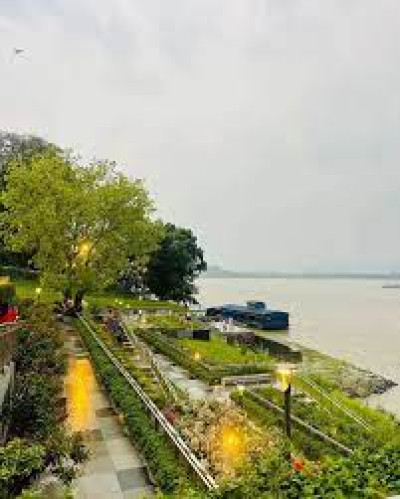
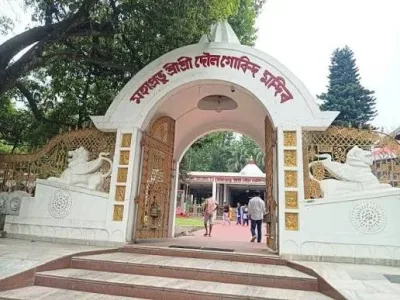
You can combine a visit to Manikarneswar Temple with other North Guwahati attractions, including Dirgheswari Temple and Dol Govinda Temple. The Guwahati Passenger Ropeway and the Brahmaputra riverfront can also be considered when planning a wider sightseeing itinerary.
Manikarneswar Temple is more than a place of worship: it is a surviving landmark that connects Assam's medieval architectural traditions with its Ahom-era history and living religious practices. For visitors seeking historical places in North Guwahati, the temple offers a meaningful combination of heritage, mythology and hilltop scenery.