In Depth
History and Community Initiative
The Manas Soushi Khongkhор Eco Tourism Society was developed as a local community-led initiative to encourage responsible tourism while creating alternative livelihood opportunities for people living around the forest landscape. The reference material identifies local community leadership, including Bijoy Choudhury, in the development of the initiative.
The society's approach is based on involving local residents in tourism and environmental protection. This includes opportunities for local guides, homestay hosts and community members to participate in tourism-related activities while helping visitors understand the natural and cultural heritage of the region.
Eco-Tourism and Conservation
One of the major objectives of MASKETS is to connect tourism with conservation. The society has worked in cooperation with the Assam Forest Department and has been associated with activities such as joint patrolling, anti-poaching awareness, wildlife rescue and release support, tree plantation and biodiversity awareness programmes.
The organization has also participated in environmental events and awareness activities, encouraging local communities and visitors to understand the importance of protecting forests, wildlife and natural resources.
Natural Beauty and Wildlife
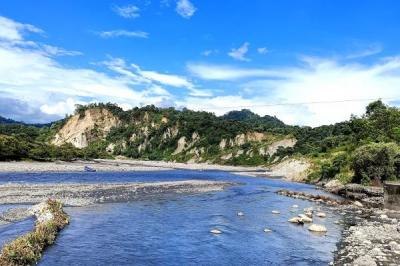
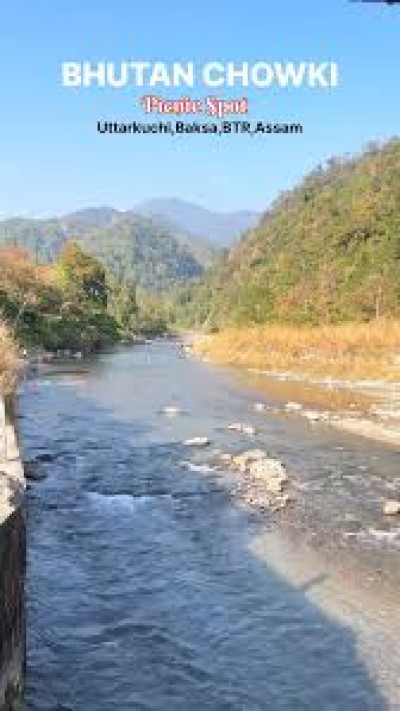
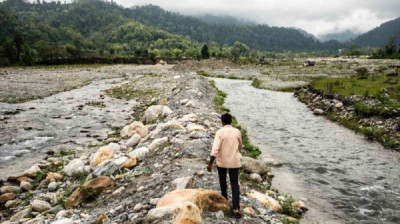
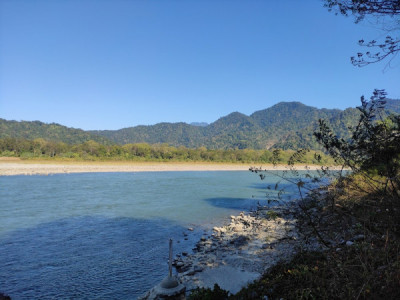
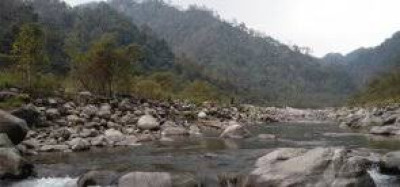
The location of MASKETS offers a combination of forest scenery, river landscapes and views towards the Bhutan Hills. The nearby Pagladia River adds to the area's natural appeal and creates opportunities for visitors to enjoy peaceful surroundings away from crowded urban destinations.
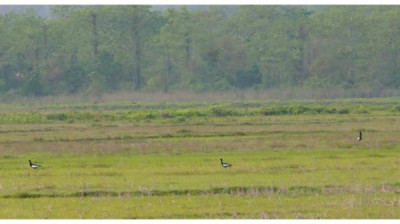
The broader Manas landscape is rich in biodiversity. Visitors may encounter a variety of birds, butterflies and other wildlife in the surrounding region, although wildlife sightings in natural habitats are never guaranteed. The area is particularly attractive to nature lovers, photographers, birdwatchers and travellers interested in eco-tourism.
Bodo Culture and Community Experiences
A distinctive feature of MASKETS is its connection with the cultural heritage of the local Bodo community. Depending on the season and local arrangements, visitors may experience traditional food, village life, music, dance, handicrafts and other aspects of indigenous culture.
Community-based tourism provides visitors with a more local experience while helping generate income for families involved in hospitality, guiding, food preparation and cultural activities.
Activities at MASKETS
Depending on seasonal conditions and local arrangements, visitors can enjoy nature walks, village experiences, bird watching, camping, cycling, cultural programmes and other outdoor activities. Local guides can provide information about the surrounding forests, villages, wildlife and Bodo traditions.
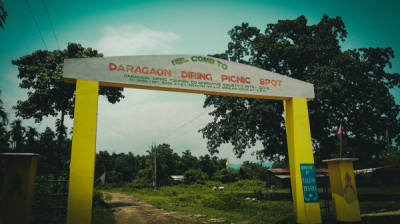
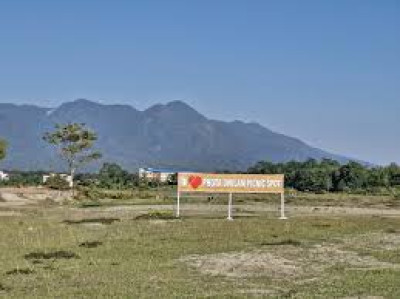
The area is also known as a picnic and nature destination, particularly during the cooler months when the weather is more suitable for outdoor activities.
Nearby Attractions
Manas National Park is one of the most important attractions in the wider region and is known for its rich biodiversity and wildlife habitat. Visitors to MASKETS can consider combining their trip with other destinations around the Manas and Baksa landscape.
Moinapukhuri, located towards the India-Bhutan border, is another destination mentioned in the reference material. The area involves a trek through forest surroundings. Bogamati, located near the mouth of the Barnadi River, is another popular nature destination in the wider region.
Best Time to Visit Manas Soushi Khongkhor Eco Tourism Society (MASKETS)
The most suitable period to visit MASKETS is generally from October to March, when the weather is more comfortable for outdoor activities, nature exploration and community-based tourism. Seasonal access to particular activities may vary depending on weather, forest conditions and local arrangements.
How to Reach Manas Soushi Khongkhor Eco Tourism Society (MASKETS) from Guwahati?
By Road: Guwahati is the main starting point for travellers visiting MASKETS. The journey is approximately 130 to 150 km depending on the selected route and exact destination point. Visitors can travel towards Barpeta Road and then continue north towards the Kokilabari, Bhutankhuti and Dihira Reserve Forest areas.
By Car or Taxi: A private car or hired taxi is one of the most convenient options because the final part of the journey involves local roads leading towards the eco-tourism area.
By Train: Visitors can take a train from Guwahati Railway Station towards Barpeta Road Railway Station. From Barpeta Road, a local taxi or pre-arranged community transport can be used for the remaining journey.
Local Transport: Local taxis and other vehicles can be arranged from nearby towns. Visitors staying with the community are advised to confirm pickup and route details with MASKETS before travelling.
Where to Stay at Manas Soushi Khongkhor Eco Tourism Society (MASKETS)?
Accommodation in the MASKETS area may include community-run homestays, eco-camps and seasonal tent facilities. These options are suitable for visitors looking for a rural and nature-focused experience.
Travellers who prefer conventional hotels and resorts can consider accommodation around the Manas National Park area and nearby towns. Visitors should confirm availability, prices, meals and seasonal operations directly before booking because facilities may change.
Whom to Contact for visiting Manas Soushi Khongkhor Eco Tourism Society (MASKETS)?
For bookings, accommodation, local guides and activity-related information, the supplied reference material lists the following MASKETS contact numbers:
The reference material also mentions the Manas Soushi Khongkhор Eco Tourism Society's Facebook presence for enquiries and updates. Visitors should verify the current contact details and availability before travelling.
Visitor Guidelines of Manas Soushi Khongkhor Eco Tourism Society (MASKETS)
MASKETS is a community and conservation-oriented destination. Visitors should avoid littering, respect local customs and follow instructions from community guides and forest authorities. Wildlife should never be approached, fed or disturbed. Photography during cultural programmes should be undertaken only with appropriate permission.
Mobile connectivity and internet services may be limited in some rural areas. Visitors should therefore plan transportation, accommodation and communication arrangements in advance.
Manas Soushi Khongkhор Eco Tourism Society (MASKETS) provides an opportunity to experience Assam's natural environment and Bodo cultural heritage while learning about community-led conservation. Its location near the Pagladia River, Bhutan foothills and the wider Manas landscape makes it an attractive destination for responsible travellers, nature lovers, students, photographers and visitors interested in sustainable tourism.
Quick Info about Manas Soushi Khongkhor Eco Tourism Society (MASKETS)
FAQs about Manas Soushi Khongkhor Eco Tourism Society (MASKETS)
- What is Manas Soushi Khongkhор Eco Tourism Society?Manas Soushi Khongkhор Eco Tourism Society, commonly referred to as MASKETS, is a community-based eco-tourism initiative in Baksa district of Assam.
Where is MASKETS located?
MASKETS operates around the Kokilabari and Bhutankhuti areas of Baksa district in the Bodoland Territorial Region, near the eastern side of Manas National Park.What is MASKETS famous for?
MASKETS is known for community-based eco-tourism, nature experiences, conservation activities, Bodo cultural experiences and its scenic location near the Pagladia River and Bhutan Hills.Is MASKETS near Manas National Park?
Yes. MASKETS operates in the broader landscape and eastern buffer area associated with Manas National Park.What activities can visitors enjoy at MASKETS?
Depending on local and seasonal arrangements, visitors can enjoy nature walks, bird watching, village experiences, camping, cycling, cultural programmes and other eco-tourism activities.What is the best time to visit MASKETS?
October to March is generally considered the most suitable period because the weather is more comfortable for outdoor activities.How far is MASKETS from Guwahati?
The supplied reference material places the destination approximately 130 to 150 km from Guwahati, depending on the route and exact location.- Where can I stay near MASKETS?Visitors can choose community homestays and eco-camps or stay at hotels, resorts and jungle retreats in the wider Manas National Park and nearby town areas.
- How can I contact MASKETS?The supplied reference material lists +91 9101993447 and +91 9954571495 for bookings and enquiries. Visitors should confirm that these numbers are currently active before travelling.
- Why should tourists visit MASKETS?MASKETS offers an opportunity to explore Assam's natural landscape while experiencing community-based tourism, Bodo culture and conservation-oriented activities near the Manas region.