In Depth
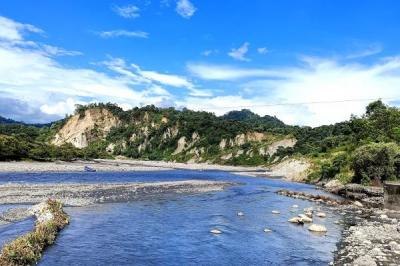
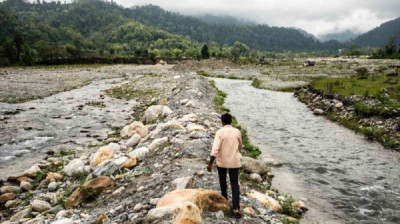
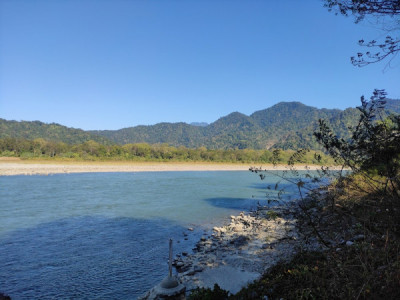
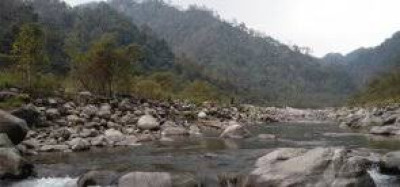
The park derives its name from the Manas River, a major tributary of the Brahmaputra, which flows gracefully through the landscape, creating fertile grasslands, riverine forests, and semi-evergreen woodlands. This unique combination of habitats makes Manas one of the richest wildlife destinations in Northeast India.
History and Conservation Importance
Manas was first declared a wildlife sanctuary in 1928 with an area of 360 sq. km. In 1973, it became one of the first nine tiger reserves under Project Tiger. In 1985, UNESCO inscribed Manas as a World Heritage Site under Criteria VII, IX, and X for its exceptional natural beauty, ecological processes, and biodiversity conservation value. The park was later expanded to include Panbari, Kokilabari, Kahitama, and Kuklung forest ranges, bringing its total area close to 950 sq. km.
Despite facing severe challenges during the 1990s due to insurgency and poaching, Manas has emerged as a global conservation success story, with remarkable recovery of key species such as the Indian rhinoceros, tiger, and swamp deer.
Ranges and Zones of Manas National Park
Manas National Park is divided into the following major ranges:
-
Panbari Range (Western Range)
-
Bansbari Range (Central Range – most accessible)
-
Bhuyanpara Range (Eastern Range)
-
Kuklung Range (First addition area)
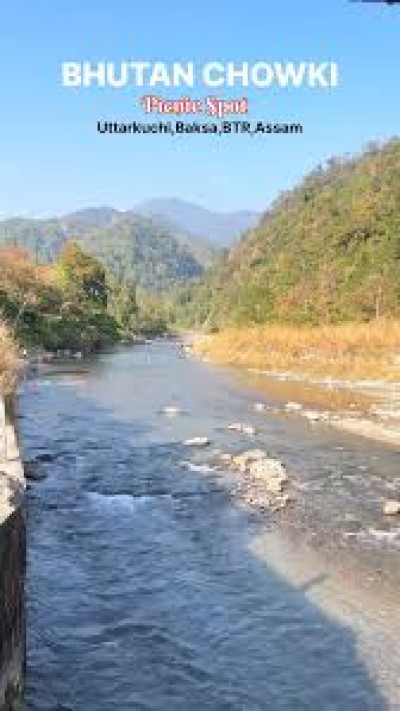
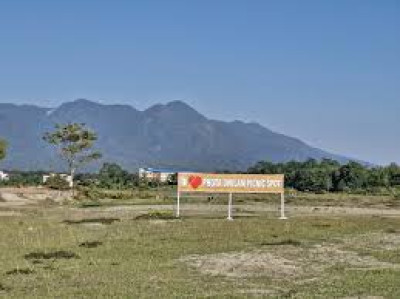
Among these, Bansbari Range is the most popular entry point for tourists and wildlife safaris. The scenic Mathanguri area, located along the Manas River near the Bhutan border, is especially famous for its breathtaking landscapes and forest bungalows.
Biodiversity and Wildlife
Manas National Park is home to some of the rarest and most endangered species on Earth. The park protects over 55 species of mammals, 380 species of birds, 50 species of reptiles, and several amphibians.
Key Mammals:
-
Royal Bengal Tiger
-
Indian One-Horned Rhinoceros
-
Asian Elephant
-
Wild Water Buffalo
-
Gaur
-
Golden Langur
-
Pygmy Hog
-
Hispid Hare
-
Hoolock Gibbon
-
Clouded Leopard
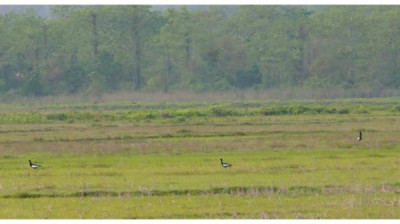
Birdlife: Manas is a paradise for birdwatchers and supports one of the largest populations of the critically endangered Bengal Florican. Other notable birds include Great Hornbill, Pied Hornbill, Kalij Pheasant, Brahminy Duck, Fishing Eagle, Serpent Eagle, Pelicans, Scarlet Minivet, and various species of harriers and bee-eaters.
Flora and Habitats
The park consists of extensive alluvial grasslands, tropical moist deciduous forests, and semi-evergreen forests. Dominant plant species include Bombax ceiba, Dillenia indica, Gmelina arborea, Syzygium species, Careya arborea, and tall grasses such as Imperata cylindrica and Saccharum naranga.
Manas National Park Safari Zones, Timings and Charges
Manas National Park offers well-organized wildlife safari experiences through designated safari zones, allowing visitors to explore the park rich biodiversity in a regulated and eco-friendly manner. The primary safari zones open to tourists are Bansbari Zone and Bhuyanpara Zone, both known for excellent wildlife sightings and scenic forest landscapes.
Safari Zones at Manas National Park
-
Bansbari Safari Zone: The most popular and easily accessible zone, ideal for jeep safaris and the only zone where elephant safaris are conducted.
-
Bhuyanpara Safari Zone: A quieter and more pristine zone, suitable for visitors seeking a less crowded safari experience.
Jeep Safari Charges and Timings
Jeep safaris in Manas National Park are conducted on a non-sharing basis, ensuring a private and comfortable wildlife experience for visitors. Each jeep can accommodate up to 5 persons.
Jeep Safari Price (Indian Nationals):
-
Bansbari Zone: INR 5200 per jeep
-
Bhuyanpara Zone: INR 5900 per jeep
Jeep Safari Price (Foreign Nationals):
-
Bansbari Zone: INR 8500 per jeep
-
Bhuyanpara Zone: INR 9000 per jeep
Jeep Safari Timings:
-
Morning Slot: 06:30 AM to 09:30 AM
-
Midday Slot: 10:00 AM to 01:00 PM
-
Afternoon Slot: 02:00 PM to 05:00 PM
The jeep safari duration is approximately 3 hours. The safari cost includes jeep and driver charges, forest permit fees, online payment gateway charges, applicable taxes, and service charges.
Children below 4 years of age are complimentary, while children above 4 years are counted as adult passengers.
Elephant Safari Charges and Timings
Elephant safaris provide a unique opportunity to explore the grassland areas of Manas National Park and are conducted only in the Bansbari Zone. These safaris are especially popular for early morning wildlife sightings.
Elephant Safari Price (Indian Nationals):
-
INR 1850 per person (1 hour)
Elephant Safari Price (Foreign Nationals):
-
INR 3500 per person (1 hour)
Elephant Safari Timings:
-
06:00 AM to 07:00 AM
-
07:00 AM to 08:00 AM
Elephant safaris are closed every Tuesday.
Important Booking Information
-
Safari booking amounts are non-refundable.
-
Safari availability is limited, especially during peak tourist seasons.
-
Visitors are strongly advised to book jeep safari or elephant safari in advance to avoid last-minute unavailability of vehicles, elephants, or guides.
Booking your safari in advance ensures a smooth and well-planned wildlife experience at Manas National Park, one of the finest safari destinations in Assam.
Best Time to Visit Manas National Park
The best time to visit Manas National Park is from November to April when the weather remains pleasant and wildlife sightings are frequent. The park remains closed from June to September due to heavy monsoon rainfall, which averages around 3000 mm annually.
-
Winter Temperature: 10°C to 25°C
-
Summer Temperature: Up to 37°C
How to Reach Manas National Park?
-
Bansbari Range – 137 km
-
Bhuyanpara Range – 147 km
-
Bansbari Range – 20 km
-
Bhuyanpara Range – 30 km
Where to Stay in Manas National Park?
Inside the Park:
-
Forest Bungalows at Mathanguri
-
Forest Rest Houses at Bansbari and Mathanguri (advance booking required)
Nearby Resorts and Lodges:
-
Bansbari Lodge
-
Blue Hills Resort
-
Kokilabari Eco Cottages
Additional accommodation options are available near Barpeta Road and Pathsala.
Park Headquarters & Contact
Field Director, Manas Tiger Reserve
Barpeta Road – 781315
+91-3666-261413 / 260288 (Office)
Fax: +91-3666-261413
Email: fd.manastr@gmail.com
Website: https://manasnptr.in
Quick Information Table on Manas National Park
| Information | Details |
|---|---|
| Location | Baksa and Chirang districts, Assam |
| Area | 850–950 sq. km |
| Best Time to Visit | November to April |
| Park Closure | June to September |
| UNESCO Status | World Heritage Site (1985) |
| Major Ranges | Panbari, Bansbari, Bhuyanpara, Kuklung |
| Nearest Airport | Guwahati (137 km) |
| Nearest Railway | Barpeta Road (20 km) |
| Famous For | Tiger Reserve, Golden Langur, Biodiversity |
| Climate | Tropical (10°C – 37°C) |
FAQs on Manas National Park