In Depth
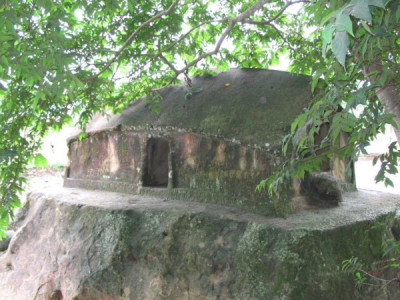
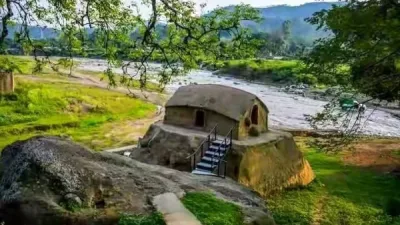
Maibang was once the capital of the Dimasa Kachari Kingdom and remained an important centre of the kingdom for several centuries. The Stone House is regarded as a surviving reminder of that period. Locally associated with names such as Longthaini Noh and Longthai ni Noh, the structure is notable because it was carved from a single large rock. Its unusual construction and surviving stonework make it particularly interesting for travellers interested in ancient architecture and the history of Assam.
History of Maibang Stone House
Maibang became an important centre of the Dimasa kingdom after the rulers moved away from their earlier capital at Dimapur. The town developed as a royal and administrative centre, and several historical remains in and around Maibang reflect its connection with the Dimasa rulers.
The Stone House is generally attributed to the medieval period, with historical accounts placing its construction around the 16th century. Different sources and traditions associate the monument with Dimasa rulers including Harish Chandra Hasnusa. Because historical records and oral traditions differ in some details, the exact circumstances surrounding its construction remain a subject of interest.
Architecture and Historical Importance
The most striking feature of Maibang Stone House is its monolithic construction. Rather than being assembled from multiple blocks, the structure was carved from a large natural rock. The surviving form, including its stone walls and roof-like sections, demonstrates the remarkable craftsmanship associated with the monument.
The structure is also linked with the worship of Ranachandi, and it is sometimes referred to as the Ramchandi Temple in local or historical descriptions. Its distinctive design and connection with the Dimasa royal period give the site considerable cultural importance.
Legend of the Stone House
A fascinating part of the Maibang Stone House experience is the Dimasa folklore associated with the monument. According to the traditional story, a goddess appeared to the Dimasa king in a dream during a period of conflict and offered guidance to help him protect his kingdom.
The king was said to have been instructed to construct a house from a single stone within one night. A weapon of divine power was believed to be connected with the completion of this task. The legend says that the king began the work but the structure could not be completed before dawn.
One version of the story connects the unfinished work with the early crowing of a rooster. Believing that the required time had ended, the king abandoned the construction. The incomplete openings and unusual unfinished portions of the structure are therefore connected with this legend.
Whether viewed as folklore or as an important part of Dimasa oral tradition, the story adds another layer of interest to the monument and helps visitors understand the cultural imagination surrounding Maibang's history.
What to See at Maibang Stone House?
Visitors can closely observe the unusual rock-cut construction of the monument and explore the surrounding historical area. The site is particularly rewarding for people interested in archaeology, architecture, Dimasa culture and the medieval history of Assam.
The surroundings also provide a quieter atmosphere compared with heavily visited tourist destinations. The nearby Mahur River and green landscape add a natural element to the historical experience.
A developed area around the monument has also included features such as a small lake, walking areas and representations of Dimasa rulers. These additions provide visitors with an opportunity to spend more time around the heritage site rather than treating the Stone House as a brief sightseeing stop.
Things to Do
Visitors can take time to examine the stone structure and its distinctive architectural details. Photography is another popular activity, particularly because the monument is surrounded by the natural landscape of Maibang.
Travellers can also learn about the history of the Dimasa Kachari Kingdom, listen to local stories about the Stone House and explore other attractions around Maibang. A visit can be combined with a wider Dima Hasao itinerary covering historical sites, hill landscapes and attractions around Haflong.
How to Reach Maibang Stone House from Guwahati?
Maibang is approximately 287 km from Guwahati by road, although the actual travel time can vary depending on road conditions, traffic and the chosen route. From Guwahati, travellers can travel towards Hojai and Lumding before continuing towards Maibang and Dima Hasao.
Maibang is also connected by railway, making train travel another practical option for visitors. Maibang Railway Station is located a few kilometres from the town, and local taxis or other transport can be used to reach the Stone House area.
For travellers coming from Haflong, Maibang is roughly 47 km away by road. The journey through the hill region provides an opportunity to experience the changing landscape of Dima Hasao.
Distance and Accessibility
- Distance from Guwahati: Approximately 287 km by road
- Distance from Haflong: Approximately 47 km
- Nearest Town: Maibang
- Nearest Railway Station: Maibang Railway Station
- Nearest Bus Stand: Maibang Bus Stand
- Nearest Airport: Silchar Airport, approximately 130 km away via Haflong
- Local Transport: Taxis and local vehicles are available in the Maibang area
Road conditions in the hill region can vary, particularly during the rainy season. Travellers should allow sufficient time for the journey and check local road conditions before starting their trip.
Best Time to Visit Maibang Stone House
The cooler months from October to April are generally suitable for exploring Maibang and other attractions in Dima Hasao. The weather during this period is more comfortable for sightseeing and travelling through the hill roads.
The monsoon season brings lush greenery to the region but can also result in wet and slippery roads. Visitors travelling during the rainy months should take extra care and check weather and road conditions.
Why Visit Maibang Stone House?
Maibang Stone House is more than an old stone structure. It represents the historical connection of Maibang with the Dimasa Kachari Kingdom and preserves a fascinating combination of architecture, folklore and cultural heritage.
For travellers exploring historical places in Assam, the monument provides an opportunity to discover a lesser-known chapter of the state's past. Its monolithic construction, association with Dimasa traditions and peaceful setting beside the Mahur River make it an interesting destination for history enthusiasts, photographers, culture lovers and travellers exploring Dima Hasao.
Quick Information About Maibang Stone House
| Information | Details |
|---|---|
| Tourist Place | Maibang Stone House |
| Also Known As | Longthaini Noh / Longthai ni Noh |
| Location | Maibang, Dima Hasao, Assam |
| River | Mahur River |
| Historical Period | Generally associated with the 16th century |
| Historical Association | Dimasa Kachari Kingdom |
| Structure Type | Monolithic rock-cut structure |
| Religious Association | Ranachandi / Ramchandi |
| Distance from Guwahati | Approximately 287 km |
| Distance from Haflong | Approximately 47 km |
| Nearest Railway Station | Maibang Railway Station |
| Nearest Bus Stand | Maibang Bus Stand |
| Nearest Airport | Silchar Airport |
| Best Time to Visit | October to April |
| Suitable For | History lovers, photographers, culture enthusiasts and tourists |
FAQs About Maibang Stone House
1. Where is Maibang Stone House located?
Maibang Stone House is located in Maibang town in the Dima Hasao district of Assam, near the banks of the Mahur River.
2. Why is Maibang Stone House famous?
It is famous for its unusual monolithic construction from a single large rock and its association with the history of the Dimasa Kachari Kingdom.
3. What is the other name of Maibang Stone House?
The monument is locally associated with names such as Longthaini Noh and Longthai ni Noh. Some references also associate it with the Ramchandi or Ranachandi temple tradition.
4. What is the history of Maibang?
Maibang served as an important capital of the Dimasa Kachari Kingdom during the medieval period. The town contains historical remains connected with the Dimasa rulers.
5. What is the legend behind Maibang Stone House?
According to Dimasa folklore, a goddess instructed a king to construct a stone house from a single rock in one night. The work was reportedly left unfinished before dawn, giving rise to the legend of the monument.
6. How far is Maibang Stone House from Guwahati?
Maibang is approximately 287 km from Guwahati by road. Travel time can vary depending on the route and road conditions.
7. How can I reach Maibang from Guwahati?
Visitors can travel from Guwahati towards Maibang by road or train. Maibang also has a railway station, from where local transport can be used to reach the town and nearby attractions.
8. What is the best time to visit Maibang Stone House?
October to April is generally a comfortable period to visit Maibang because of the cooler weather and favourable conditions for sightseeing.
9. Where can I stay while visiting Maibang Stone House?
Visitors can stay in accommodation available in Maibang or choose hotels and guesthouses in Haflong. Haflong can be a convenient base for exploring several attractions in Dima Hasao.
10. Who can I contact for information about Maibang Stone House?
For updated information about tourism facilities, accessibility and local travel conditions, visitors can contact the Dima Hasao district tourism administration, Assam Tourism authorities or local accommodation providers in Maibang.