In Depth
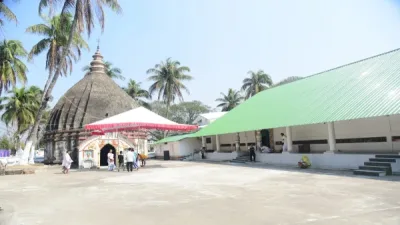
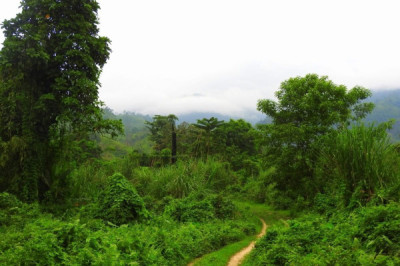
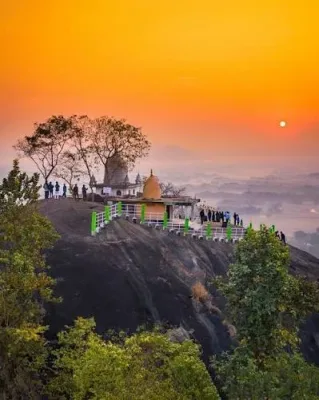
Surrounded by greenery and low hills, the archaeological site offers a glimpse into the artistic achievements of the region's past. Remains of temples, sculpted stone panels, decorative pillars and religious figures can be seen across the complex. The combination of historic architecture, natural surroundings and local mythology makes Madan Kamdev a rewarding destination for a day trip from Guwahati.
History of Madan Kamdev
Madan Kamdev is generally associated with the early medieval period of Assam, with many of its surviving remains attributed to approximately the 10th to 12th centuries CE. This period witnessed the development of important religious centres and temple architecture in the ancient kingdom of Kamarupa. The site is commonly linked with the Pala rulers of Kamarupa, although the precise history of its construction, patronage and individual temples is not fully established.
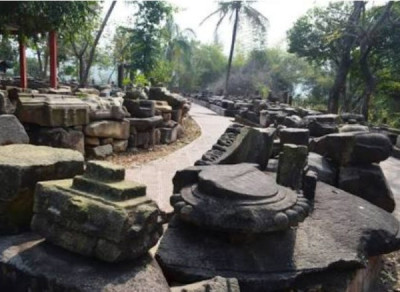
Archaeological remains indicate that Madan Kamdev was once a significant religious complex rather than a single isolated shrine. Ruined foundations and scattered architectural fragments suggest the presence of numerous temples and smaller structures across the hillock. Many of the surviving religious sculptures are associated with Shaivite worship, while the wider collection of figures and motifs reflects the artistic and religious diversity of the period.
For centuries, vegetation and forest growth obscured much of the site. Archaeological exploration and conservation efforts became more systematic during the late 20th century, with work associated with the Archaeological Directorate of Assam beginning around 1977. These efforts helped bring the ruins to wider public attention and established Madan Kamdev as an important heritage destination in Assam.
Although the broad historical period is commonly accepted, visitors should remember that not every structure or sculpture has a definitively established date or identity. The site remains valuable for understanding the region's medieval art, religious practices and architectural traditions.
Why Is Madan Kamdev Called the Khajuraho of Assam?
Madan Kamdev is popularly known as the Khajuraho of Assam because of its elaborate sculptural art, including sensuous and erotic carvings. The comparison refers to the visual character of its surviving sculptures and their ability to portray human relationships, divine figures and aspects of life through stone.
The ruins include representations of deities, celestial beings, animals, decorative patterns and human figures in a variety of poses. Some sculptures depict intimate couples, often referred to in Indian art as maithuna figures. These carvings are part of a broader artistic tradition in which temple walls could express fertility, prosperity, cosmic relationships and the union of complementary forces.
The comparison with Khajuraho is a popular description rather than an indication that the two sites share exactly the same history or architectural development. Madan Kamdev has its own distinct identity rooted in the cultural history of ancient Kamarupa.
Religious Significance and the Legend of Madan Kamdev
The name Madan Kamdev is connected with Kamadeva, the Hindu god of love, who is also known as Madan. According to Hindu mythology, Kamadeva attempted to interrupt Lord Shiva's deep meditation. Shiva became angry and burned Kamadeva to ashes with the power of his third eye. In traditional accounts, Kamadeva's wife Rati pleaded for his restoration, and he was eventually granted a form of renewed existence.
A local belief associates the Dewangiri hillock with the restoration of Kamadeva and his reunion with Rati. This legend is often used to explain the name of the site and its association with love and sensual imagery. However, the connection between the specific location and the myth is a matter of religious tradition, not a confirmed historical event.
The principal shrine is associated with Uma-Maheshwar, the divine form of Shiva and Parvati. A notable sculpture depicts the divine couple in an embracing posture. Such representations reflect the importance of divine partnership and the relationship between different cosmic principles in Hindu religious thought.
The wider sculptural collection also includes forms associated with Shiva and other Hindu deities. These works provide insight into the religious imagination and artistic skills of the people who created the temple complex.
What to See at Madan Kamdev
1. Ancient Temple Ruins
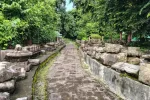
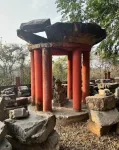
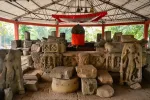
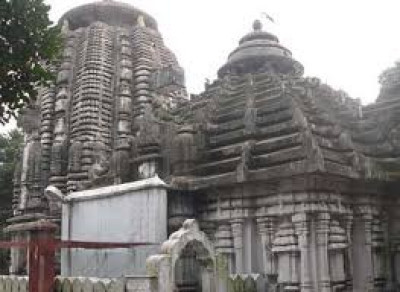
The main attraction is the collection of ruined temples spread across the Dewangiri hillock. Foundations, stone blocks and fragments of architectural elements indicate the former scale of the religious complex. The remains are distributed over a wider area, so visitors should take time to explore the site carefully rather than focusing only on the principal shrine.
2. Uma-Maheshwar Sculpture
The image of Shiva and Parvati in an embracing posture is among the site's significant sculptural features. It represents the divine couple and reflects the importance of Shaivite religious traditions in the region.
3. Erotic and Sensuous Stone Carvings
Madan Kamdev is especially recognised for sculptures depicting intimate couples and human figures. These carvings are an important part of the site's artistic identity and should be understood within the context of historical temple sculpture rather than viewed only as unusual imagery.
4. Deities and Mythological Figures
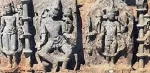
The archaeological remains feature religious and mythological figures associated with Hindu traditions. Sculptures and fragments have been identified with forms such as Shiva, Bhairava, Ganesha, Surya and other divine or celestial beings. Some individual identifications may vary according to the condition of the sculpture and scholarly interpretation.
5. Decorative Stonework
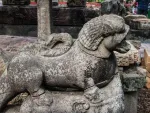
Look for carved door frames, pillars, lintels, floral motifs, animal figures, serpents and celestial beings. These details demonstrate how medieval artisans transformed stone into elaborate architectural decoration. Some fragments are weathered or damaged, which adds to the importance of protecting the surviving remains.
6. Natural Surroundings of Dewangiri Hillock
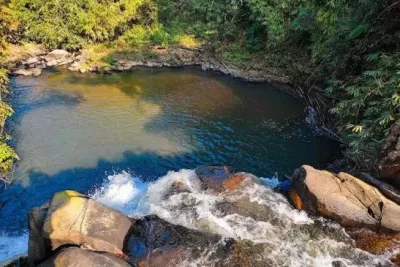
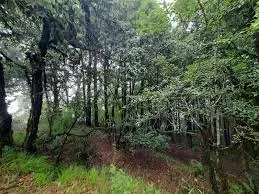
The green setting around Madan Kamdev provides a peaceful atmosphere for exploring the heritage site. The landscape also makes it suitable for photography, although visitors should avoid climbing on fragile ruins or disturbing protected archaeological features.
Best Time to Visit Madan Kamdev
October to March is generally a comfortable period to explore Madan Kamdev. The weather is usually more suitable for walking around the hillock, viewing sculptures and enjoying the surrounding landscape.
Winter is particularly convenient for travellers planning a day trip from Guwahati. The cooler conditions can make outdoor sightseeing more comfortable. Spring can also be pleasant, although temperatures may begin to rise as summer approaches.
The monsoon season brings rainfall and greener surroundings, but wet paths can become slippery. If you visit during this period, wear suitable footwear and check local weather and access conditions before starting your journey.
Madan Kamdev Timings and Entry Information
Visitors should confirm the latest opening hours and entry arrangements with the local site authorities before travelling. Published visitor information has commonly listed daytime access, with timings around 9:00 AM to 5:00 PM, but operating hours may change. Do not assume that these timings or free entry are guaranteed without checking locally.
Arriving in the morning gives you more time to examine the sculptures, walk around the complex and visit nearby attractions. Carry drinking water, wear comfortable shoes and follow all instructions displayed at the archaeological site.
Madan Kamdev is a heritage location, so visitors should not remove stones or fragments, write on structures, climb on fragile remains or touch delicate sculptures unnecessarily. Photography should be carried out respectfully and according to any restrictions in place.
How to Reach Madan Kamdev from Guwahati
Madan Kamdev is approximately 40 km from Guwahati, although the actual distance and travel time depend on your starting point, traffic and chosen route. The site is located near Baihata Chariali and requires a short additional road journey from the town towards Dewangiri hillock.
By Car or Taxi
Driving or hiring a taxi is a convenient way to visit Madan Kamdev. From Guwahati, travel towards Baihata Chariali using the appropriate road route across the Brahmaputra corridor. After reaching Baihata Chariali, follow local directions towards Madan Kamdev and Dewangiri hillock. The final stretch is approximately 3-4 km, depending on the approach road.
A private vehicle is useful if you want to combine the archaeological site with nearby temples or other destinations in the Kamrup area. Confirm the condition of the final access road before travelling, particularly after heavy rainfall.
By Bus
Travellers can look for buses from Guwahati towards Baihata Chariali or destinations along the northern highway corridor. Jalukbari is one of the transport points from which buses towards this region may be available. Bus routes and stopping points can change, so confirm the service before departure.
After reaching Baihata Chariali, arrange local transport such as an auto-rickshaw or another locally available vehicle for the remaining journey to the archaeological site. Direct public transport to the ruins may be limited. Ask the driver about the return journey before beginning your visit.
By Train
Guwahati Railway Station is a major rail connection for travellers coming from other parts of India. Depending on available train services, a local station closer to Baihata Chariali may also be an option. Check current railway schedules and onward transport before selecting your arrival station.
From the railway station, continue by road using a taxi or other available local transport.
By Air
The nearest major airport is Lokpriya Gopinath Bordoloi International Airport in Guwahati. From the airport, hire a taxi or arrange a private transfer towards Baihata Chariali and Madan Kamdev. Travel time will vary with traffic and the route taken.
Where to Stay Near Madan Kamdev
Accommodation directly beside the archaeological site is limited. Visitors can consider lodges around Baihata Chariali or hotels in the Amingaon and Guwahati areas. Staying in Guwahati offers a wider choice of accommodation and makes it possible to combine Madan Kamdev with other sightseeing plans.
The following accommodation details and telephone numbers were supplied for this travel guide. Please call ahead to confirm current availability, room rates, location, facilities and contact numbers before booking.
1. Khushi Lodge
Address: New Bypass Tiniali, Guwahati Road, near Ramdhenu Dhaba, Baihata Chariali, Assam 781381.
Phone: +91 84865 38779.
This is a local accommodation option to consider if you prefer staying near Baihata Chariali and starting your visit early the following morning.
2. Sachika Hotels
Address: NH 31, opposite Vandya International School, Amingaon, Guwahati, Assam 781031.
Phone: +91 70990 04522.
This option may suit visitors who prefer to stay in the Amingaon area and travel to Madan Kamdev by road.
3. S.S Residency Lodge
Address: C1, Baihata-Guwahati Road, Baihata Chariali, Assam 781381.
Phone: +91 70999 44139.
The lodge is listed as an option in the Baihata Chariali area. Confirm its current operating status and the exact location before making travel arrangements.
4. OYO Flagship S S Residency
Address: Mangaldoi-Guwahati Road, above Masum Eye Clinic, Baihata Chariali, Rangia, Assam 781381.
Phone: +91 0124 620 1318.
This property is included among the accommodation references for the area. Contact the property or booking provider to verify its current listing and room availability.
Nearby Places to Explore
Gopeshwar Temple
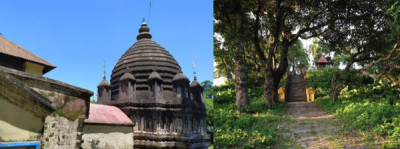
Gopeshwar Temple, in the Deuduar area, is another religious destination associated with the wider heritage landscape around Madan Kamdev. Visitors interested in old temples and local religious traditions can ask about access and road conditions when planning their trip.
Parvati Cave
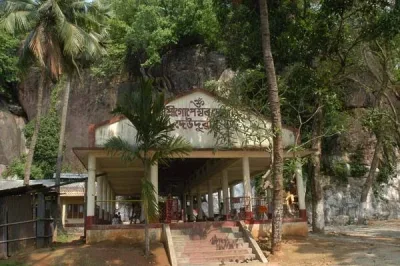
Parvati Guha, also known as Parvati Cave, is mentioned among the nearby local attractions. Confirm its precise location and accessibility with local residents before adding it to your itinerary.
Baihata Chariali
Baihata Chariali is the main nearby town and a useful point for transport, refreshments and local assistance. It can also serve as a starting point for exploring other destinations in the surrounding Kamrup region.
Travel Tips for Visiting Madan Kamdev
Start early from Guwahati to allow enough time for sightseeing and the return journey.
Wear comfortable walking shoes, as the archaeological complex includes uneven ground and exposed stone remains.
Carry drinking water, sun protection and basic personal essentials.
Check local access conditions after heavy rainfall.
Do not climb on the ruins, remove artefacts or damage any carvings.
Keep the site clean and follow instructions from the responsible authorities.
Confirm opening hours, entry arrangements and accommodation details before leaving.
If travelling by public transport, arrange your return ride from the site in advance.
Quick information about Madan Kamdev
Information | Details |
|---|---|
Name | Madan Kamdev Archaeological Site |
Location | Dewangiri hillock, near Baihata Chariali, Kamrup district, Assam |
Distance from Guwahati | Approximately 40 km; distance varies by starting point and route |
Historical period | Generally associated with the early medieval period, particularly around the 10th-12th centuries |
Historical association | Pala dynasty of Kamarupa |
Main religious association | Lord Shiva and Goddess Parvati |
Popular name | Khajuraho of Assam |
Main attractions | Ancient temple ruins, stone sculptures, mythological figures and architectural carvings |
Nearest major airport | Lokpriya Gopinath Bordoloi International Airport, Guwahati |
Nearest major railway station | Guwahati Railway Station; local rail options may also be available |
Best time to visit | October to March |
Ideal duration | Around 1.5-3 hours for the site, depending on your interest |
Accommodation | Lodges near Baihata Chariali and hotels around Amingaon or Guwahati |
Entry fee and timings | Confirm locally before visiting, as arrangements may change |
FAQs About Madan Kamdev
1. Where is Madan Kamdev located in Assam?
Madan Kamdev is located on Dewangiri hillock near Baihata Chariali in Kamrup district, Assam. It is approximately 40 km from Guwahati, depending on the starting point and road route.
2. Why is Madan Kamdev famous?
Madan Kamdev is famous for its ancient temple ruins, intricate stone carvings, mythological sculptures and sensuous artistic representations. It is popularly known as the Khajuraho of Assam.
3. What is the history of Madan Kamdev?
The archaeological remains are generally associated with the early medieval period, particularly around the 10th to 12th centuries CE, and are commonly linked with the Pala rulers of Kamarupa. The exact history of every structure is not fully established.
4. What is the religious significance of Madan Kamdev?
The site is strongly associated with Lord Shiva and Goddess Parvati. A local legend connects the name Madan Kamdev with Kamadeva, the Hindu god of love, and the story of his restoration after being burned by Shiva.
5. What are the main attractions at Madan Kamdev?
The main attractions include ancient temple foundations, the Uma-Maheshwar sculpture, erotic carvings, mythological figures, decorative pillars, carved stone panels and the green surroundings of Dewangiri hillock.
6. What is the best time to visit Madan Kamdev?
October to March is generally a comfortable time to visit because the weather is usually suitable for walking and sightseeing. During the monsoon, paths may become slippery, so check conditions before travelling.
7. What are the opening hours of Madan Kamdev?
Visitor information has commonly listed daytime hours around 9:00 AM to 5:00 PM. However, hours can change, so confirm the current schedule with the local site authorities before visiting.
8. How can I reach Madan Kamdev from Guwahati?
You can travel by private car or taxi towards Baihata Chariali and then continue to Dewangiri hillock. Buses towards Baihata Chariali may also be available, followed by local transport for the remaining distance. Guwahati is also the main nearby airport and railway hub.
9. Are hotels available near Madan Kamdev?
Yes, accommodation options are listed around Baihata Chariali and Amingaon, while Guwahati offers a wider range of hotels. Options provided for this guide include Khushi Lodge, Sachika Hotels, S.S Residency Lodge and OYO Flagship S S Residency. Confirm availability and contact details before booking.
10. How much time is needed to explore Madan Kamdev?
Most visitors can allow around 1.5 to 3 hours to explore the main ruins and sculptures, depending on their interest in history, architecture and photography. Allow additional time for travel and any nearby attractions you plan to visit.