In Depth
The temple is considered one of the oldest archaeological temple sites in Assam. Based on the style of the stone sculptures and architectural remains, archaeologists have associated the original temple with the early medieval period, particularly between the 8th and 10th centuries CE. Excavation and documentation of the site gained attention after the ruins and sculptures were brought to the notice of the Government of Assam's Historical and Antiquarian Department in the 1970s.
The exact reason for the destruction of the ancient temple remains uncertain. One widely discussed explanation is that powerful earthquakes in the region caused major damage to the structure and its sculptures. Local traditions also connect the destruction with historical invasions, including stories associated with Kalapahar and Burmese or Maan forces. These accounts form part of the site's historical folklore, while the earthquake theory is often considered the more likely explanation.
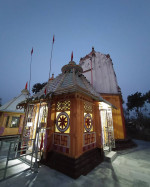
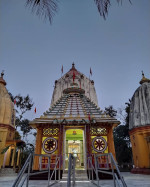
Visitors can see remnants of the old temple complex, carved stone images and architectural fragments that provide an insight into Assam's early medieval religious art. The sculptures and surviving structural elements are particularly interesting for people interested in ancient temple architecture, archaeology and the history of religious traditions in Assam.
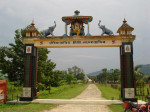
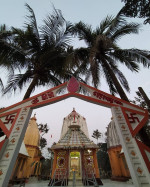
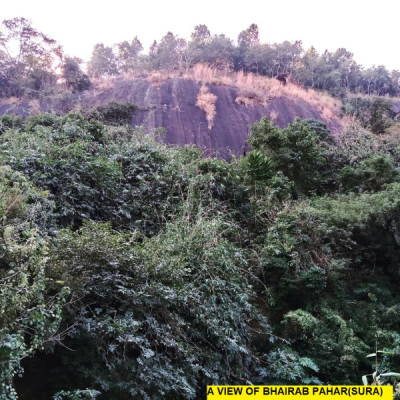
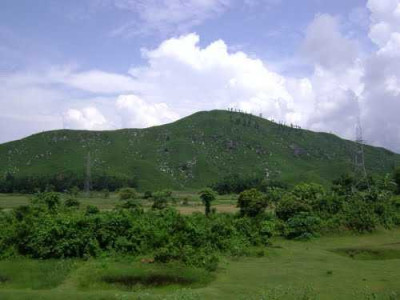
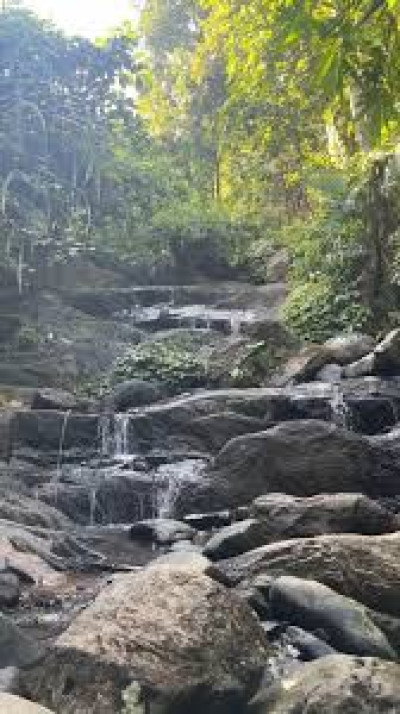
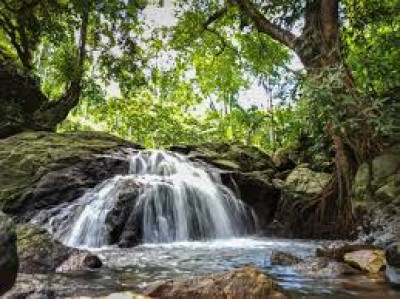
The name Lalmati-Duramari is associated with the local area around the historic site. The temple surroundings are relatively peaceful, with the Khagrapar Hills and greenery creating a pleasant setting for visitors. The combination of ancient ruins and natural scenery makes the destination different from a conventional temple visit.
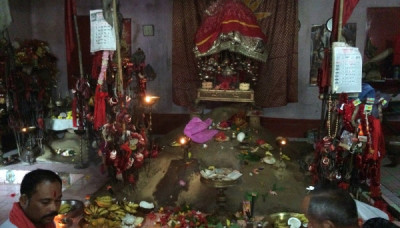
Lord Ganesha is the principal deity associated with the site, and the temple continues to attract devotees seeking blessings as well as travelers interested in Assam's heritage. Ganesh Chaturthi can be a particularly meaningful period to visit because of the religious activities associated with Lord Ganesha.
The temple can also be included in a wider Bongaigaon and Abhayapuri sightseeing itinerary. Travelers interested in nature and heritage can consider visiting nearby attractions such as Kakoijana Reserved Forest and other historical and religious sites around Abhayapuri.
The best time to visit Lalmati Duramari Ganesh Temple is generally from November to February, when the weather in Assam is more comfortable for outdoor exploration. Winter is also suitable for spending time around the archaeological remains and nearby natural attractions.
How to Reach Lalmati Duramari Ganesh Temple?
From Guwahati, travelers can reach the Bongaigaon and Abhayapuri region by road or train. By road, the journey generally follows the route towards Bongaigaon and Abhayapuri, with the final part of the journey completed using a local taxi, auto-rickshaw or private vehicle.
By train, New Bongaigaon Railway Station is the major railway hub in the area and has good connectivity with Guwahati and several major cities in India. From New Bongaigaon, visitors can hire a local cab or auto-rickshaw towards Abhayapuri and the Lalmati-Duramari area.
Another practical option is to travel to Abhayapuri by train or road and arrange local transportation for the remaining distance. Travelers coming from Guwahati can also hire a private taxi for a more convenient day trip.
Where to Stay at Lalmati Duramari Ganesh Temple?
There are limited accommodation facilities immediately around the archaeological site. Visitors can stay in Abhayapuri or Bongaigaon, where hotels, guest houses and restaurants provide more convenient facilities. Bongaigaon is particularly suitable for travelers who want better transport connectivity and a wider choice of accommodation.
For a heritage and nature-focused trip, staying in Bongaigaon and visiting Lalmati Duramari Ganesh Temple as part of a day itinerary can be a convenient option.
Whom to Contact for a Visit to Lalmati Duramari Ganesh Temple?
For current information about access, local transportation, religious activities or site conditions, visitors should check with the local temple management committee or local administration before traveling. As the site includes ancient archaeological remains, visitors should follow any instructions issued by the relevant authorities and avoid touching, climbing or damaging historical sculptures and structures.
Why Visit Lalmati Duramari Ganesh Temple?
Lalmati Duramari Ganesh Temple is worth visiting for its combination of ancient history, religious significance and natural surroundings. The surviving sculptures and ruins offer a glimpse into Assam's early medieval heritage, while the temple's association with Lord Ganesha gives the site continuing spiritual importance. It is especially suitable for travelers interested in archaeology, ancient temples, religious history, photography and peaceful heritage destinations.
Quick Info about Lalmati Duramari Ganesh Temple
| Information | Details |
|---|---|
| Name | Lalmati Duramari Ganesh Temple |
| Location | Lalmati-Duramari, near Abhayapuri, Bongaigaon, Assam |
| District | Bongaigaon |
| Nearest Town | Abhayapuri |
| Historical Period | Approximately 8th to 10th century CE |
| Main Deity | Lord Ganesha |
| Main Attraction | Ancient temple ruins and stone sculptures |
| Surroundings | Khagrapar Hills and greenery |
| Best Time to Visit | November to February |
| Nearest Major Railway Station | New Bongaigaon Railway Station |
| From Guwahati | By road or train towards Bongaigaon/Abhayapuri |
| Suitable For | Pilgrimage, history, archaeology, photography and nature |
FAQs about Lalmati Duramari Ganesh Temple
1. Where is Lalmati Duramari Ganesh Temple located?
Lalmati Duramari Ganesh Temple is located near Abhayapuri in the Bongaigaon district of Assam, around the Khagrapar Hills.
2. Why is Lalmati Duramari Ganesh Temple famous?
The temple is known for its ancient stone sculptures, archaeological remains and religious association with Lord Ganesha. It is considered an important early medieval heritage site in Assam.
3. How old is Lalmati Duramari Ganesh Temple?
Based on archaeological studies of its sculptures and architectural features, the original temple is generally associated with the 8th to 10th centuries CE.
4. What can visitors see at Lalmati Duramari Temple?
Visitors can see ancient stone carvings, sculptures, architectural fragments and remains of the old temple structure surrounded by the natural landscape of the Khagrapar Hills.
5. How can I reach Lalmati Duramari Ganesh Temple from Guwahati?
You can travel from Guwahati towards Bongaigaon or Abhayapuri by train or road and then use a local taxi, auto-rickshaw or private vehicle to reach the temple area.
6. Which railway station is nearest to Lalmati Duramari Ganesh Temple?
New Bongaigaon Railway Station is the major nearby railway hub and provides convenient connectivity from Guwahati and other major cities.
7. What is the best time to visit Lalmati Duramari Ganesh Temple?
November to February is generally a comfortable period to visit because of the cooler and more pleasant weather.
8. Is Lalmati Duramari Ganesh Temple suitable for history lovers?
Yes. The ancient sculptures, temple remains and archaeological background make it an interesting destination for people interested in the history and architecture of Assam.
9. Can Lalmati Duramari Temple be visited with other Bongaigaon attractions?
Yes. Visitors can combine the temple with other attractions around Bongaigaon and Abhayapuri, including natural and heritage destinations such as Kakoijana Reserved Forest.
10. What is the historical significance of Lalmati Duramari Ganesh Temple?
The site provides evidence of early medieval religious architecture and stone craftsmanship in Assam. Its surviving ruins and sculptures offer valuable insight into the region's historical and cultural heritage.