In Depth
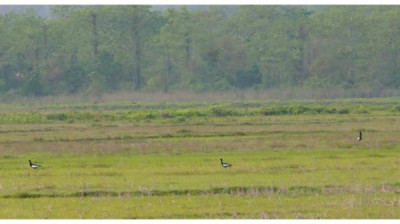
The reserve forest is internationally recognized as one of the most significant habitats for the critically endangered Bengal Florican, one of the rarest grassland birds in the world. During the breeding season, the open grasslands of Kokilabari become an important nesting ground for these elusive birds. This unique ecological significance has placed Kokilabari among the most valuable bird conservation areas in South Asia.
Apart from the Bengal Florican, the forest supports an impressive variety of wildlife. Visitors may encounter elephants, deer, wild boar, and numerous species of butterflies and reptiles. Bird enthusiasts frequently visit the area to spot species such as the Greater Adjutant, Purple Heron, Short-eared Owl, kingfishers, eagles, and many migratory birds. The combination of grasslands, wetlands, agricultural fields, and forest ecosystems creates a rich environment that supports exceptional biodiversity.
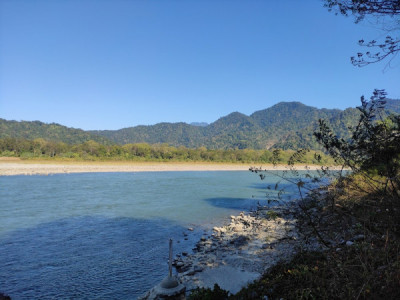
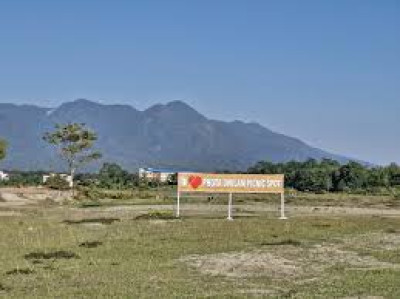
The nearby Kokilabari Seed Farm further enhances the area's ecological importance. The mosaic of cultivated fields and natural grasslands provides an ideal habitat for several rare bird species and contributes significantly to conservation efforts in the region. The scenic landscape, with views of the Bhutan hills in the distance, offers excellent opportunities for photography, wildlife observation, and peaceful nature walks.
How to Reach Kokilabari Reserve Forest
By Air: The nearest airport is the Lokpriya Gopinath Bordoloi International Airport, located approximately 150 km away. Taxis and private vehicles can be hired from Guwahati.
By Rail: The nearest railway station is Barpeta Road Railway Station, which is well connected with Guwahati and other major cities of Northeast India.
By Road: Kokilabari can be reached via Barpeta Road, Bansbari, and Baksa through a well-connected road network. Private vehicles are the most convenient option for exploring the forest and nearby attractions.
Where to Stay at Kokilabari Reserve Forest
Visitors can stay at eco-tourism camps, community-run cottages, forest lodges, and guest houses located near the Manas National Park landscape. Several community-based accommodation facilities operated by local tourism groups offer comfortable stays while promoting wildlife conservation and sustainable tourism. Additional hotel options are available at Barpeta Road and nearby towns.
Kokilabari Reserve Forest is an ideal destination for travelers seeking untouched nature, rare wildlife, and authentic eco-tourism experiences. Its rich birdlife, conservation significance, and proximity to Manas National Park make it one of the most rewarding nature destinations in Assam.