In Depth
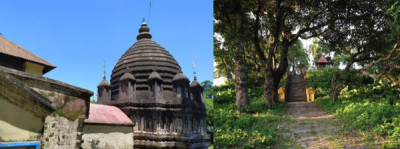
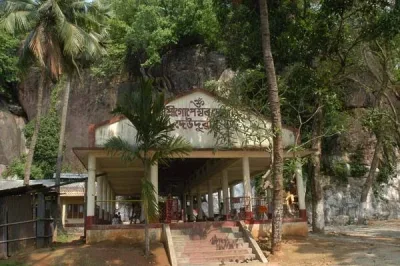
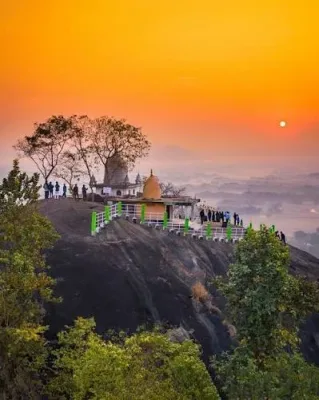
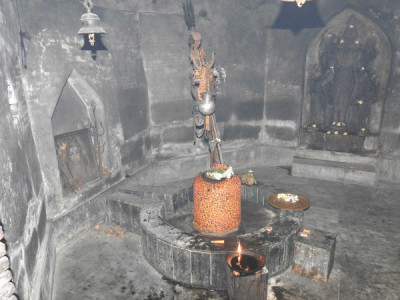
The shrine is particularly known for its sacred Shiva linga, which devotees traditionally regard as Swayambhu, meaning self-manifested. The temple's hilltop location gives it a distinctive setting, away from the busier streets below. Reaching the shrine involves a short climb using stone steps, so visitors should allow enough time and wear comfortable footwear.
Hajo is an important religious destination in Assam, known for the presence of sacred places associated with different faiths. Kedareswara Temple can therefore be included in a wider sightseeing trip covering the town's temples, historic landmarks and pilgrimage sites.
History of Kedareswara Temple or Kedar Temple
Kedareswara Temple has a strong association with the history of the Ahom kingdom. The present temple structure is commonly dated to 1753 CE and attributed to the patronage of Ahom king Swargadeo Rajeswar Singha. The shrine is also associated with an earlier place of worship, although the precise origins and construction phases of the oldest structure are not established consistently across all historical accounts.
The Ahom rulers supported religious institutions, temples and cultural activities across their kingdom. Their patronage contributed to the development and renovation of several important religious sites in Assam. Kedareswara Temple reflects this historical connection between royal patronage and religious life in the region.
Today, the temple remains a place of worship as well as a point of interest for visitors exploring Assam's architectural and spiritual heritage. Its history is best understood in the broader context of Hajo, where centuries of religious traditions have shaped the cultural landscape.
Religious Significance of the Shiva Linga
The main object of worship at Kedareswara Temple is a Shiva linga traditionally believed to have manifested naturally rather than being installed by human hands. In Hindu Shaiva tradition, a Swayambhu linga holds particular religious importance because of its association with the divine presence of Lord Shiva.
The linga is also linked in local religious tradition with Ardhanarishvara, a form representing the unity of Shiva and Shakti. Ardhanarishvara is symbolically depicted as a combination of masculine and feminine aspects, expressing the complementary nature of these divine principles.
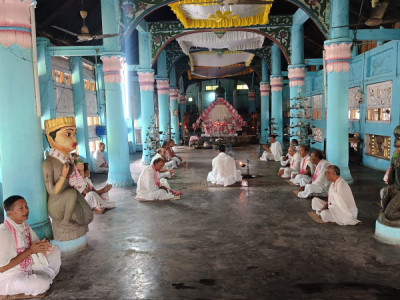
A notable feature of the shrine is the traditional practice of keeping the sacred linga covered with a large metal vessel or bowl. Worshippers visit the temple to offer prayers and seek blessings. Visitors should follow the instructions of the priests and temple authorities regarding darshan, offerings and photography.
Architecture and Hilltop Setting
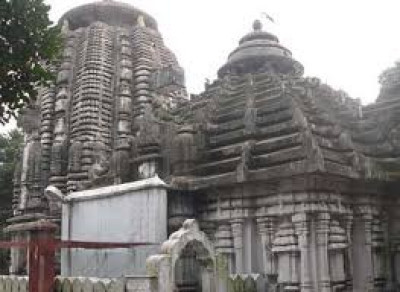
Kedareswara Temple combines religious significance with features of traditional Assamese temple architecture. Descriptions of the structure refer to a sanctum, a small entrance or prayer space, and a larger mandapa associated with the main shrine. The structure includes a traditional temple roof or superstructure, with architectural elements characteristic of regional Hindu temple design.
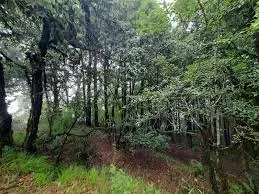
The temple's position on Madanachala Hill is one of its distinctive features. The climb provides a gradual transition from the surrounding settlement to the sacred space above. From suitable points around the hill, visitors may also appreciate views of the surrounding landscape.
Because the route includes steps, older visitors and people with mobility difficulties should assess the climb before starting. During rainy weather, steps may become slippery, so extra care is advisable.
Best Time to Visit Kedareswara Temple
The period from October to March is generally suitable for visiting Kedareswara Temple. The weather is usually more comfortable for travelling around Hajo and climbing the hill during these months.
Maha Shivaratri is an important occasion for devotees of Lord Shiva and is a meaningful time to experience the temple's religious atmosphere. However, festival days can be crowded, so visitors should allow additional time for transport, parking and darshan.
Summer can be hot and humid, while monsoon rainfall may make the journey and hill steps less comfortable. Check the weather forecast before travelling and confirm temple timings, particularly during festivals and special religious events.
Places to Visit Near Kedareswara Temple
Hayagriva Madhava Temple
Hayagriva Madhava Temple is one of Hajo's best-known religious landmarks. The temple is associated with Hindu worship and holds significance for devotees from different communities. Its historic setting makes it a natural addition to a visit to Kedareswara Temple.
Powa Mecca
Powa Mecca is an important Islamic pilgrimage site in Hajo. The shrine reflects the town's long-standing religious diversity and can be included in a broader cultural visit. Visitors should respect the site's religious practices and local guidance.
Doul Govinda Temple
Doul Govinda Temple is another well-known religious destination in the wider Hajo and North Guwahati region. Depending on your route and available time, it may be possible to combine this visit with other temples in the area.
Hajo's religious landmarks are spread across different locations, so check distances and road conditions before planning to visit them all in one trip.
How to Reach Kedareswara Temple from Guwahati
Kedareswara Temple is approximately 30-35 km from Guwahati by road, depending on the starting point and route.
By Road
Travelling by car or taxi is a convenient way to reach Hajo from Guwahati. Follow the road route towards Hajo and continue to the Madanachala Hill area. Travel time is often around one hour but may be longer during heavy traffic, festival periods or adverse weather.
Local buses and shared vehicles may also operate between Guwahati and Hajo. Confirm the latest departure points and services before travelling. Once you reach the temple area, follow local directions to the hill and its steps.
By Train
Guwahati Railway Station and Kamakhya Railway Station are possible arrival points for visitors travelling by train. From either station, continue towards Hajo by taxi or available public transport. There is no need to assume that a railway station is located directly beside the temple; the final part of the journey is by road.
By Air
The nearest major airport is Lokpriya Gopinath Bordoloi International Airport in Guwahati. From the airport, hire a taxi or arrange a private vehicle to reach Hajo. Journey time depends on traffic and the selected route.
Where to Stay Near Kedareswara Temple
Visitors can look for accommodation in Hajo, nearby Sualkuchi or Guwahati. Staying in Hajo may be convenient for pilgrims planning an early temple visit, while Guwahati offers a broader range of hotels and services.
The following accommodation options were mentioned in the supplied reference information. Their current operating status, availability and contact details should be confirmed before booking.
Hajo Tourist Lodge - A locally mentioned budget accommodation option in Hajo. Confirm current operations and booking arrangements.
Abha Hotel - Mentioned near Hayagriva Madhava Temple. Check room availability and current facilities locally.
Nandini Das Hotel - Located on Hajo Road in the Bagta area, according to the supplied reference. Confirm the address before travelling.
Villa & Woods At Imrans - Mentioned in Kalitakuchi near Hajo. Verify its current listing and distance from the temple.
Silk Route Spa Resort - Located in the Sualkuchi area. It may be an option for visitors combining Hajo sightseeing with a visit to Assam's silk-weaving village.
Luit Blue Homestay & Resorts - Mentioned as an accommodation option in the wider Hajo region. Confirm the exact location and booking details.
Hare Krishna Folk Residency - Located in the Sualkuchi area according to the supplied reference. Contact the property directly to confirm availability.
Visitors who prefer a larger selection of hotels, restaurants and transport services can stay in Guwahati and visit Kedareswara Temple as a day trip.
Travel Tips for Visitors
Wear comfortable footwear suitable for climbing steps.
Carry drinking water, especially during warmer months.
Dress respectfully and follow temple customs.
Check current opening hours and festival arrangements before departure.
Be cautious on wet or uneven steps during the monsoon.
Avoid disturbing worshippers during prayers and religious ceremonies.
Confirm accommodation details and transport availability in advance.
Keep the temple surroundings clean and dispose of waste responsibly.
Quick Information About Kedareswara Temple or Kedar Temple
| Detail | Information |
|---|---|
| Name | Kedareswara Temple, also known as Kedar Temple |
| Location | Madanachala Hill, Hajo, Kamrup district, Assam |
| Main deity | Lord Shiva |
| Religious significance | Sacred Shiva linga traditionally regarded as Swayambhu |
| Historical association | Ahom ruler Swargadeo Rajeswar Singha |
| Construction date | Present structure commonly dated to 1753 CE |
| Distance from Guwahati | Approximately 30-35 km by road, depending on the route |
| Nearest airport | Lokpriya Gopinath Bordoloi International Airport, Guwahati |
| Nearest major railway stations | Guwahati Railway Station and Kamakhya Railway Station |
| Best time to visit | October to March |
| Major festival | Maha Shivaratri |
| Entry fee | Confirm locally |
| Visiting hours | Confirm locally before visiting |
| Access | Road journey followed by a climb up the hill |
FAQs About Kedareswara Temple or Kedar Temple
1. Where is Kedareswara Temple located?
Kedareswara Temple is located on Madanachala Hill in Hajo, Kamrup district, Assam, approximately 30-35 km by road from Guwahati.
2. Who is the main deity of Kedareswara Temple?
The temple is dedicated to Lord Shiva. Its main object of worship is a sacred Shiva linga traditionally believed to be Swayambhu, or self-manifested.
3. What is the history of Kedareswara Temple in Hajo?
The present structure is commonly dated to 1753 CE and associated with Ahom king Swargadeo Rajeswar Singha. The site is also linked to an earlier place of worship.
4. Why is Kedareswara Temple famous?
The temple is known for its sacred Shiva linga, its association with Ardhanarishvara in religious tradition, its hilltop location and its connection with Assam's Ahom-era heritage.
5. What is the best time to visit Kedareswara Temple?
October to March is generally a comfortable period to visit. Maha Shivaratri is an important festival for devotees of Lord Shiva, although crowds may be larger during celebrations.
6. How far is Kedareswara Temple from Guwahati?
The temple is approximately 30-35 km from Guwahati by road. Actual distance and journey time depend on your starting point, route and traffic.
7. How can I reach Kedareswara Temple from Guwahati?
You can travel by private car, taxi or available public transport towards Hajo. Visitors arriving by train or air can continue by road from Guwahati Railway Station, Kamakhya Railway Station or Guwahati airport.
8. Is there a climb to reach Kedareswara Temple?
Yes. The temple is situated on Madanachala Hill and visitors need to climb a flight of steps to reach the shrine. Comfortable footwear is recommended.
9. What places can I visit near Kedareswara Temple?
Nearby religious and cultural attractions include Hayagriva Madhava Temple and Powa Mecca in Hajo. Other regional sites can be included depending on your available time and route.
10. Are hotels available near Kedareswara Temple?
Accommodation options may be available in Hajo and nearby areas, including local lodges and homestays. Guwahati offers a wider choice of hotels. Confirm current availability and booking details before travelling.