In Depth
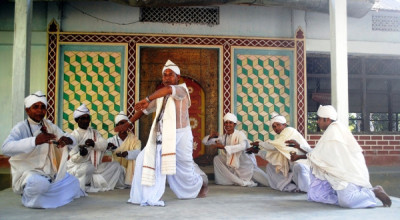
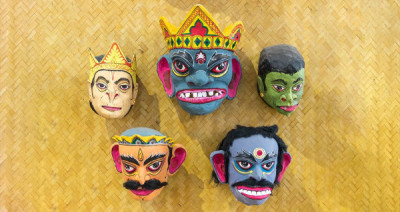
The satra is divided into two main sections — Uttar Kamalabari Satra and Natun Kamalabari Satra — each contributing significantly to the cultural evolution of Majuli. The monks, also known as bhakats, dedicate their lives to spiritual learning, service, and artistic mastery. Kamalabari Satra is especially renowned across India for promoting Sattriya Nritya, a classical dance form recognized by Sangeet Natak Akademi. Visitors can also witness traditional musical performances, Khol drumming, mask-making traditions, and detailed sculpture designs that showcase the island’s craftsmanship.
Beyond being a cultural hub, Kamalabari Satra offers a peaceful and enlightening atmosphere. The lush green surroundings, simple lifestyle of the monks, and soothing devotional chants create an unforgettable spiritual experience. Travelers often interact with the bhakats to learn about Vaishnavite philosophy, mythology, and ancient manuscripts preserved within the Satra.
How to Reach Kamalabari Satra
Reaching Kamalabari Satra requires traveling to Majuli via Jorhat.
-
By Road: First travel to Jorhat town, well-connected with major cities in Assam.
-
By Ferry: From Nimatighat Port, take a government or private ferry to Majuli. Ferry duration is around 1–1.5 hours, depending on water conditions.
-
Local Transport: After reaching Majuli, shared autos, e-rickshaws, and local taxis are available to reach Kamalabari Satra comfortably.
Best Time to Visit Kamalabari Satra, Majuli
The ideal time to visit Kamalabari Satra is between October and March, when Majuli enjoys cool and pleasant weather. The island often experiences heavy floods during the monsoon, making travel difficult. The most vibrant time to explore the Satra is during Raas Mahotsav in November, when Majuli erupts in dance, drama, and devotional festivities.
With its spiritual ambiance, traditional performances, handcrafted heritage, and welcoming monks, Kamalabari Satra represents the lifeline of Majuli’s cultural identity. A visit here offers deep insight into Assam’s Vaishnavite traditions along with the unmatched charm of the world’s largest river island.
Where to stay at Kamalabari Satra, Majuli
There is no public accommodation within the Kamalabari Satra itself; the satra is a monastic institution for monks. You can stay near Kamalabari Satra in Majuli at a variety of guesthouses, homestays, and small hotels, including popular options like La Maison de Ananda, Risong Family Guest House, and Dekasang Majuli. Other choices include lodges and cottage-style accommodations like Jonki Panoi Bamboo Cottages and Ygdrasill Bamboo Cottage.
Quick Info – Kamalabari Satra, Majuli
| Category | Details |
|---|---|
| Location | Majuli Island, Assam |
| Founded | 1673 by Bedulapadma Ata |
| Famous For | Neo-Vaishnavite culture, Sattriya dance, classical studies |
| Sections | Uttar Kamalabari Satra, Natun Kamalabari Satra |
| Main Attractions | Dance performances, sculpture crafting, devotional arts |
| Nearest Town | Jorhat |
| Nearest Ferry Point | Nimatighat Port |
| Entry Fee | Free |
| Best Time to Visit | October to March |
| Ideal For | Culture lovers, pilgrims, researchers, students |
FAQs on Kamalabari Satra, Majuli
-
What is Kamalabari Satra famous for?It is known for promoting Neo-Vaishnavite culture, Sattriya Nritya, classical music, literature, and traditional craftsmanship.
-
Where is Kamalabari Satra located?
-
Who founded Kamalabari Satra?The satra was founded by Bedulapadma Ata in 1673.
-
How can I reach Kamalabari Satra?
-
What is the best time to visit Kamalabari Satra?October to March, especially during the Raas Festival in November.
-
Is there an entry fee at Kamalabari Satra?No, the satra is open to visitors free of cost.
-
What cultural activities can visitors see at Kamalabari Satra?Sattriya dance performances, devotional music, mask-making, and sculpture crafting.
-
Are there accommodations available near Kamalabari Satra?Yes, guest houses, homestays, and eco-resorts are available across Majuli.
-
Is photography allowed inside the Satra?Photography may be restricted inside religious areas. Visitors should request permission from the monks.
-
Why is Kamalabari Satra important to Assam's culture?It preserves and promotes classical Assamese arts, Vaishnavite philosophy, and centuries-old performing traditions.