In Depth
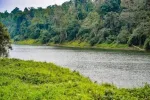
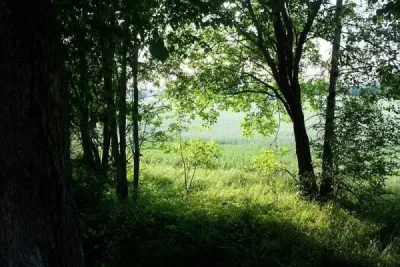
The forest is known for its rich variety of plant life, including more than 100 species of orchids. Tall Hollong trees, along with Ajar, Segun, Nahar and other native vegetation, create a dense green canopy across the forest. The combination of large trees, climbers, ferns, flowering plants and forest undergrowth makes Jeypore Rainforest particularly attractive to nature lovers, photographers and people interested in Assam's biodiversity.
Wildlife is another major attraction of Jeypore Rainforest. The forest landscape provides habitat for Asian elephants, leopards, hornbills, flying squirrels, pythons, spotted deer, langurs and numerous other species. Birdwatchers can also explore the area for native and forest-dwelling birds. Wildlife sightings are naturally unpredictable, so visitors should focus on experiencing the forest ecosystem rather than expecting guaranteed animal encounters.
Jeypore Rainforest also offers opportunities for nature walks, trekking and birdwatching. Exploring the forest with an experienced local guide can make the visit more informative and safer, particularly for visitors unfamiliar with rainforest terrain. Photography is another popular activity because the changing light, dense vegetation, large trees and wildlife-rich surroundings provide numerous subjects.
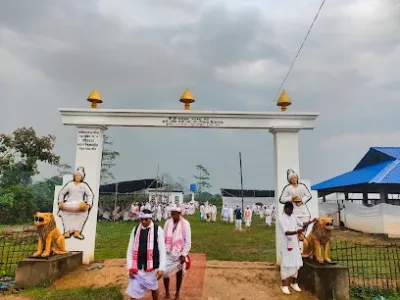
The forest also has an important cultural and historical dimension. Indigenous communities have lived around the rainforest for generations and have developed a close relationship with its natural resources. Their traditional knowledge of forest plants, food, medicine and the surrounding environment forms an important part of the cultural heritage of the region. Visitors interested in local culture can learn more about the relationship between communities and the forest through responsible interactions.
The wider Dehing Patkai landscape is also associated with the conservation of Assam's rainforest ecosystem. Jeypore Rainforest is therefore more than a sightseeing destination; it represents an important natural environment in Upper Assam where forests, wildlife and local communities are closely connected.
For visitors planning a trip, the approach to the rainforest can be more challenging during heavy rainfall. Some interior and connecting roads may become rough or muddy, making a suitable vehicle important. An SUV or other high-clearance vehicle can be useful when traveling towards forest areas, particularly after rain. Comfortable clothing, sturdy walking shoes, insect repellent, drinking water and sun protection are recommended for outdoor exploration.
The commonly mentioned visiting period is from November to April, when conditions are generally more suitable for exploring the forest. The supplied visitor information lists typical access hours as approximately 6:00 AM to 5:00 PM, but visitors should confirm current entry rules, forest permissions and local conditions before traveling.
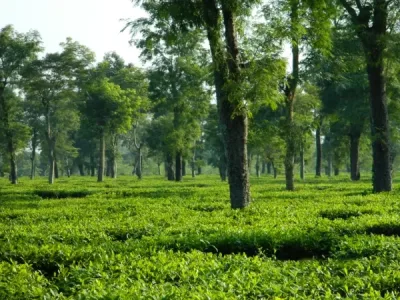
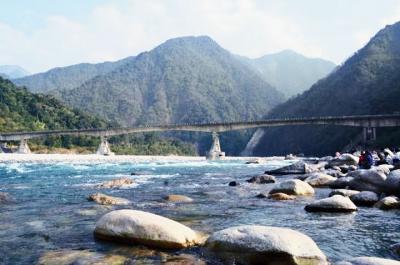
Jeypore Rainforest can also be combined with other attractions in Upper Assam. Travelers based in Dibrugarh can plan a broader itinerary covering tea gardens, wildlife destinations, river landscapes and other historical or cultural attractions in the district and surrounding areas.
What to See at Jeypore Rainforest?
Visitors can explore dense evergreen forest, towering Hollong trees, orchids and a variety of native plants. The forest is also known for wildlife such as elephants, leopards, hornbills, flying squirrels, pythons, spotted deer and langurs. Birdwatching and nature photography are particularly rewarding for visitors who enjoy quiet outdoor experiences.
Trekking and guided forest walks provide a closer look at the rainforest ecosystem. Visitors should remain on permitted routes and follow instructions from forest officials or local guides. The surrounding greenery, forest canopy and natural sounds also make Jeypore an excellent destination for photography and peaceful nature exploration.
How to Reach Jeypore Rainforest from Guwahati?
By Air: Travelers from Guwahati can take a flight to Dibrugarh Airport, which serves as the main air gateway to the region. From Dibrugarh Airport, visitors can hire a taxi or private vehicle towards Naharkatiya and Jeypore.
By Train: Visitors can travel from Guwahati by train to Dibrugarh or Naharkatiya, depending on the available railway service and itinerary. From the railway station, the remaining journey can be completed by taxi or local road transport.
By Road: Jeypore Rainforest can be approached by road from Guwahati through Upper Assam. Travelers can first reach Dibrugarh and continue towards Naharkatiya and Jeypore. The journey is considerably longer by road, so visitors should plan sufficient travel time.
Vehicle Advice: Forest approach roads can become difficult during and after heavy rainfall. A sturdy SUV or high-clearance vehicle is recommended when traveling towards interior forest areas.
Where to Stay at Jeypore Rainforest?
Accommodation options directly inside the core forest area are limited. Visitors generally stay in Dibrugarh, Naharkatiya or nearby accommodation facilities and make a day trip to the rainforest.
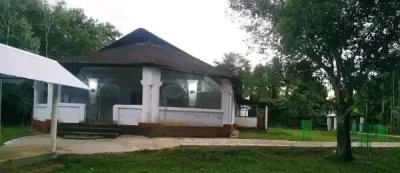
A Forest Inspection Bungalow located near the forest entrance has been mentioned as an accommodation option in the supplied reference information. However, prior permission and allotment from the Forest Department may be required. Visitors should contact the concerned Forest Department office before relying on this option.
Nearby eco-camps, homestays and hotels can also provide alternatives for travelers who want to remain closer to the forest while retaining access to basic accommodation facilities.
Whom to Contact for Jeypore Rainforest Visit?
Visitors planning a trip should contact the Forest Department or the concerned Divisional Forest Officer in Dibrugarh for information about entry permissions, forest regulations, guided visits and availability of any Forest Inspection Bungalow accommodation.
The supplied reference information mentions the DFO Dibrugarh email as dfodibrugarh@gmail.com. Visitors should verify the current official contact details before sending a request because government contact information and administrative arrangements may change.
For trekking and nature walks, visitors can also enquire locally about experienced guides who are familiar with the permitted forest routes and local conditions.
Best Time to Visit Jeypore Rainforest:
November to April is generally suitable for visiting Jeypore Rainforest because the weather and road conditions are more favorable for outdoor exploration. The rainy season can make forest roads muddy and difficult to navigate. Early morning visits can be particularly suitable for birdwatching and experiencing the forest when temperatures are relatively comfortable.
Visitors should always check current weather conditions, forest access restrictions and local safety instructions before starting their journey.
Important Visitor Tips:
Carry drinking water, insect repellent, comfortable clothes and sturdy walking shoes. Avoid entering restricted forest areas without permission. Do not disturb wildlife, remove plants or leave plastic and other waste behind. Photography should be carried out responsibly without disturbing animals or local communities.
Quick Info About Jeypore Rainforest, Dibrugarh
| Information | Details |
|---|---|
| Tourist Place | Jeypore Rainforest |
| Location | Near Naharkatiya, Dibrugarh district, Assam |
| Region | Upper Assam |
| Approximate Distance from Dibrugarh | About 65-80 km |
| Forest Type | Tropical evergreen rainforest |
| Known As | Amazon of the East |
| Major Attraction | Biodiversity, wildlife, orchids and rainforest landscape |
| Famous Flora | Hollong, Ajar, Segun, Nahar and orchids |
| Wildlife | Elephants, leopards, hornbills, flying squirrels, pythons and deer |
| Activities | Nature walks, trekking, birdwatching and photography |
| Typical Visiting Hours | Approximately 6:00 AM to 5:00 PM |
| Best Time to Visit | November to April |
| Nearest Town | Naharkatiya |
| Nearest Airport | Dibrugarh Airport |
| Entry | Check current Forest Department rules before visiting |
FAQs About Jeypore Rainforest, Dibrugarh
- What is Jeypore Rainforest famous for?
Jeypore Rainforest is famous for its dense evergreen forest, rich biodiversity, orchids, wildlife and scenic natural environment. It is also popularly known as the 'Amazon of the East'.
- Where is Jeypore Rainforest located?
Jeypore Rainforest is located near Naharkatiya in Dibrugarh district, Assam, and forms part of the wider Dehing Patkai rainforest landscape.
- How far is Jeypore Rainforest from Dibrugarh?
The supplied information places Jeypore Rainforest approximately 65-80 km from Dibrugarh, depending on the particular access point and route.
- What animals can be seen in Jeypore Rainforest?
The rainforest is known to support Asian elephants, leopards, hornbills, flying squirrels, pythons, spotted deer, langurs and many other species. Wildlife sightings are not guaranteed.
- How many orchid species are found in Jeypore Rainforest?
The supplied reference information states that the rainforest has more than 100 species of orchids, making its plant diversity one of its important attractions.
- What is the best time to visit Jeypore Rainforest?
November to April is generally considered a suitable period for visiting because outdoor conditions and road access are usually more favorable than during the peak rainy season.
- What activities can visitors do at Jeypore Rainforest?
Visitors can enjoy nature walks, trekking, birdwatching, wildlife observation and photography, subject to forest rules and permitted activities.
- Can tourists stay inside Jeypore Rainforest?
Regular tourists should not expect to stay deep inside the forest. Accommodation near the forest entrance may be available subject to Forest Department permission, while hotels, homestays and eco-camps can be found in nearby areas.
- How can I reach Jeypore Rainforest from Guwahati?
From Guwahati, visitors can travel by air or train to Dibrugarh and continue by road towards Naharkatiya and Jeypore. Road travel from Guwahati is also possible but requires considerably more travel time.
- Whom should I contact before visiting Jeypore Rainforest?
For official information about forest access, permissions, accommodation and current regulations, visitors should contact the concerned Forest Department office or DFO Dibrugarh. Local guides can be considered for permitted nature walks and trekking.