In Depth
The village is often associated with the phrase "Jatinga bird suicide mystery". However, the expression can be misleading because birds do not intentionally commit suicide. The unusual behaviour is linked to environmental conditions that can interfere with the birds' normal navigation, particularly during certain rainy, foggy and dark nights.
Jatinga Location and Geography
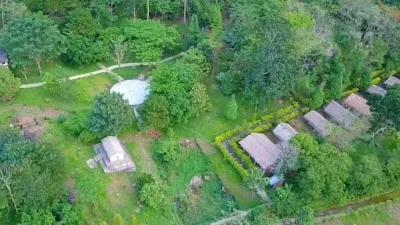
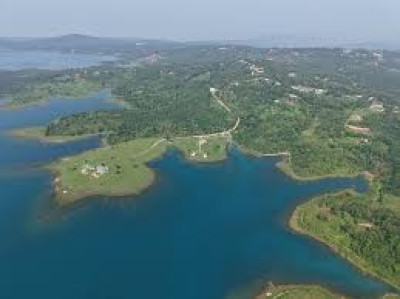
Jatinga is located in the Dima Hasao district of Assam, approximately 7 to 9 km from Haflong. The village lies in a hilly landscape characterized by ridges, valleys, forests and agricultural areas.
Its elevated setting and surrounding hills create a peaceful environment that is quite different from the plains of Assam. The nearby Haflong region also makes Jatinga convenient to include in a wider Dima Hasao sightseeing itinerary.
The Jatinga Bird Mystery
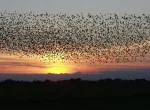
Jatinga is internationally known for reports of birds becoming disoriented and descending towards illuminated areas during particular nights of the year. The phenomenon has traditionally been described as "bird suicide", but this popular term does not accurately explain what happens.
During the phenomenon, birds may become confused while flying through difficult weather conditions. Strong winds, fog, darkness and the area's unusual terrain are believed to interfere with their orientation. Artificial lights around houses and other illuminated locations can then attract or redirect the birds towards the settlement.
Some birds become stunned or injured after colliding with trees, structures or other objects. The event is therefore better understood as a case of environmental disorientation and accidental mortality rather than deliberate suicide.
When Does the Jatinga Bird Phenomenon Occur?
The unusual bird activity is generally associated with the late monsoon and post-monsoon period, particularly from August or September through November. It is more commonly reported during dark, foggy or rainy evenings after sunset.
The exact occurrence can vary according to weather and environmental conditions, so visitors should not assume that birds will appear on every night during this period.
Visitors interested in the phenomenon should also approach it from a wildlife and conservation perspective rather than treating injured or confused birds as entertainment.
Scientific Explanation of the Jatinga Bird Mystery
The behaviour has been studied by researchers and naturalists for many years. Several environmental factors are believed to contribute to the phenomenon, including heavy rainfall, fog, strong winds, darkness, topography and artificial lighting.
Birds flying through these conditions can lose their normal sense of direction and become attracted towards sources of light. Once they descend into the village area, some may collide with trees or buildings and become temporarily incapacitated.
The exact combination of factors responsible for the phenomenon has been the subject of scientific interest, which is one reason Jatinga continues to attract bird researchers and nature enthusiasts.
Birds Found in the Jatinga Phenomenon
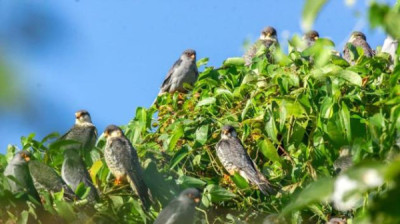
Different local and migratory bird species have been reported in connection with the unusual activity. Reports have mentioned species such as kingfishers, egrets, doves and other small birds.
The phenomenon is not simply a case of every bird in the region being affected. It is associated with particular weather conditions, locations and periods, and the number of affected birds can vary considerably.
Jatinga Bird Watching Centre
The bird-watching facilities around Jatinga provide visitors with an opportunity to understand the area's natural environment and its unusual relationship with birds. The Jatinga Bird Watching Centre and associated viewing areas are among the places of interest for visitors exploring the village.
Visitors should check locally regarding opening hours, access rules and any permission requirements before planning a visit, particularly if they intend to visit a forest-managed facility.
Jatinga's Scenic Beauty
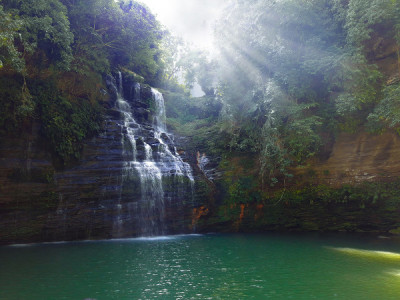
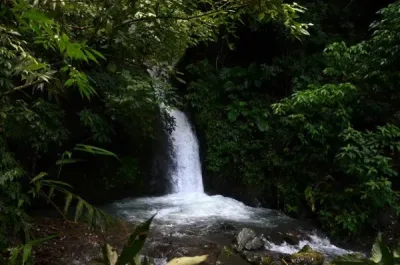
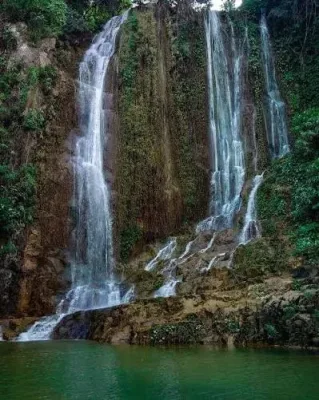
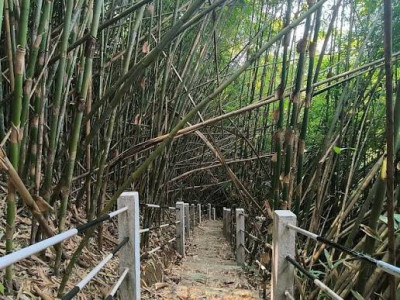
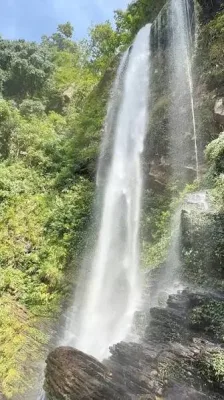
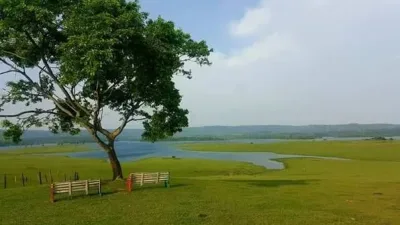
The bird phenomenon is the main reason many people know Jatinga, but the village has much more to offer. Green hills, quiet valleys, forested slopes and rural surroundings create excellent opportunities for nature photography and peaceful walks.
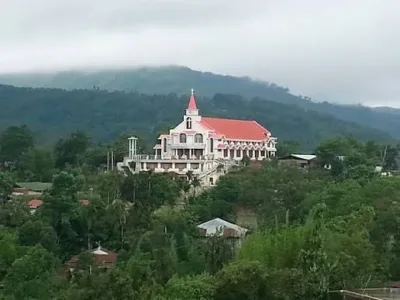
During the monsoon, the landscape becomes greener and mist frequently covers the surrounding hills. In clearer weather, visitors can enjoy wider views across the Dima Hasao landscape.
Orange Orchards of Jatinga
Jatinga and the surrounding hill areas are also associated with orange cultivation. The orchards add an agricultural and cultural dimension to the landscape and are particularly attractive when fruit is in season.
Visitors should respect private agricultural land and ask permission before entering orchards or photographing farming activities.
Hempeupet Peak
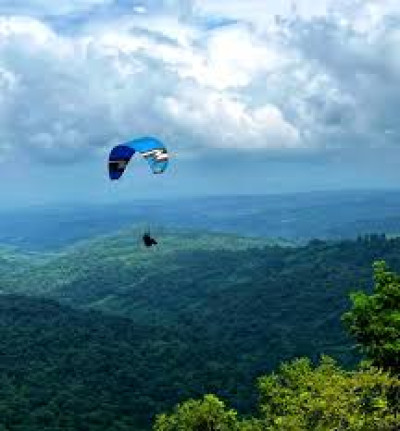
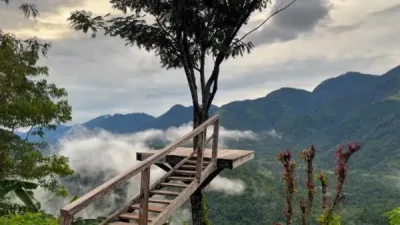
Hempeupet Peak is a nearby elevated destination associated with panoramic views of the surrounding hills and valleys. The area can be considered by travelers interested in hiking, sunrise photography and mountain scenery.
Conditions on hill trails can change quickly, particularly during the rainy season. Visitors should use appropriate footwear and seek local guidance before attempting unfamiliar routes.
Local Culture and Community
Jatinga forms part of the culturally diverse Dima Hasao region, where several indigenous communities have preserved distinctive traditions, food, crafts, festivals and lifestyles.
Exploring the area respectfully can provide visitors with a better understanding of the people and history of Assam's hill districts. Travelers should avoid treating local communities merely as tourist attractions and should always respect privacy, customs and religious practices.
Things to Do in Jatinga
Visitors can enjoy several activities in and around Jatinga, including:
- Learn about the famous Jatinga bird phenomenon.
- Visit bird-watching and interpretation areas where accessible.
- Explore the surrounding hills and valleys.
- Photograph misty landscapes and village scenery.
- Visit nearby orange-growing areas during the appropriate season.
- Explore local culture and traditional handicrafts.
- Hike or trek in suitable nearby areas with local guidance.
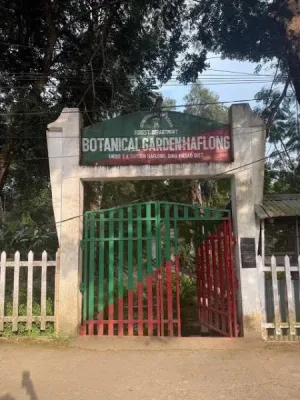
- Visit Haflong and Haflong Lake.
- Plan a wider Dima Hasao trip covering Maibong and other attractions.
Best Time to Visit Jatinga
The best time depends on the type of experience you want. October to April is generally more comfortable for sightseeing, photography, walking and exploring the surrounding hills because the weather is usually cooler and relatively pleasant.
Travelers specifically interested in learning about the famous bird phenomenon generally look towards the late monsoon and post-monsoon period, particularly August to November. However, the phenomenon depends on suitable weather conditions and cannot be guaranteed on a particular date.
The monsoon landscape is particularly green and scenic, but heavy rainfall can affect roads and outdoor activities.
How to Reach Jatinga from Guwahati?
By Road: Jatinga is approximately 320 to 350 km from Guwahati by road, depending on the route. The journey involves travelling through Assam's plains before entering the hill areas of Dima Hasao. The final portion of the journey includes winding hill roads, so actual travel time depends on traffic, weather and road conditions.
Travelers can drive from Guwahati towards the Lumding-Haflong region and continue to Jatinga. A private vehicle or hired taxi provides greater flexibility for exploring nearby attractions.
By Train: The nearest convenient railway access is through New Haflong and the Haflong hill railway region. Rail travel through the hills of Dima Hasao is itself a scenic experience, with mountain landscapes, bridges and tunnels along the route.
From the railway station, visitors can continue towards Jatinga by local taxi or other available road transport.
By Air: Silchar Airport is the nearest major airport commonly used by travelers visiting Jatinga and Haflong. From Silchar, the journey continues by road through the hill region towards Haflong and Jatinga.
Another option is to travel by air to Guwahati and continue the journey by road or rail.
From Haflong to Jatinga
Jatinga is only around 7 to 9 km from Haflong, making it an easy addition to a Haflong sightseeing plan. Local taxis and other local transport options can generally be used to travel between the two places.
Where to Stay in Jatinga?
Visitors can find limited accommodation options in and around Jatinga, including guesthouses, homestays and basic lodging facilities. Haflong offers a wider selection of hotels, guesthouses, homestays and other accommodation and is therefore a convenient base for exploring Jatinga.
Travelers planning to visit during the busy tourist season should confirm room availability and facilities in advance.
Popular Home Stays and Hotels in Jatinga
1) HAYAM JATINGA, Jatinga, Phone Numbers : +91 8133875844, 74066 82955
2) BIRD'S EYE VIEW HOME STAY HAFLONG, near I Love Haflong, Haflong 788819. Phone Numbers : +91 7086282266, 9864803416, 7086622644
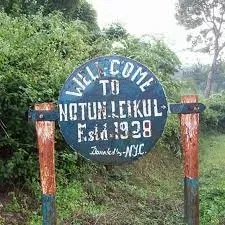
3) Singson Rural Homestay, Jatinga, N. Leikul, Haflong 788830. Phone Number : +91 8472814322
4) S.W Hading Guest House, Near I Love, Shivarai Hading, Boro Haflong, Haflong 788819. Phone Number : +91 9395690686
5) AGIN'S HOMESTAY, Jatinga, Phone Number : +91 9531066158
Nearby Places to Visit from Jatinga
Jatinga's location makes it suitable for exploring several attractions in the Haflong and Dima Hasao region.
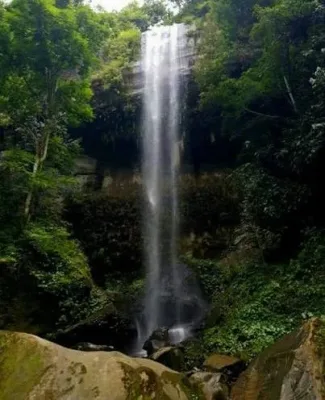
Haflong is the nearest major tourist destination and is known for its scenic hills and Haflong Lake. Maibong is another important destination for visitors interested in the history of the Dimasa Kachari Kingdom. Other viewpoints, waterfalls, villages and natural attractions can be added depending on available time and road conditions.
Travel Tips for Jatinga
Jatinga is a hill destination, so comfortable walking shoes are recommended. Carry rain protection during the wetter months and a light jacket during cooler periods.
If you are visiting to learn about the bird phenomenon, remember that the event is weather-dependent and may not occur during every visit.
Do not catch, chase, injure or disturb birds. Avoid using bright lights unnecessarily around wildlife areas and follow instructions from local authorities or forest officials.
Visitors should also avoid littering and should respect private land, village customs and local communities.
Why Visit Jatinga?
Jatinga is different from conventional tourist destinations because its attraction comes from the combination of natural beauty, scientific curiosity and local culture. The famous bird mystery has given the village an unusual place on India's tourism map, while its hills, orchards and peaceful surroundings provide a quieter experience for nature lovers.
Its close proximity to Haflong also makes Jatinga easy to include in a Dima Hasao itinerary. Whether you are interested in bird behaviour, photography, hill landscapes or the cultural diversity of Assam, Jatinga offers an experience that goes beyond its famous mystery.
QUICK INFO ABOUT JATINGA:
| Information | Details |
|---|---|
| Tourist Place | Jatinga |
| District | Dima Hasao |
| State | Assam |
| Famous For | Jatinga bird mystery |
| Popular Name | Bird Mystery Village of Assam |
| Distance from Haflong | Approximately 7-9 km |
| Distance from Guwahati | Approximately 320-350 km by road |
| Nearest Major Airport | Silchar Airport |
| Nearest Railway Access | New Haflong Railway Station |
| Terrain | Hills, valleys and forested landscapes |
| Main Attraction | Jatinga Bird Phenomenon |
| Other Attractions | Bird-watching areas, orange orchards, hills and nearby viewpoints |
| Nearby Tourist Place | Haflong |
| Popular Activities | Bird watching, sightseeing, photography, hiking and nature exploration |
| Bird Phenomenon Season | Generally August/September to November |
| Best General Travel Period | October to April |
| Accommodation | Homestays, guesthouses and hotels in Jatinga and Haflong |
| Ideal Stay | 1-2 days for Jatinga; 2-4 days with Haflong and nearby attractions |
| Suitable For | Nature lovers, birdwatchers, photographers, researchers and curious travelers |
FAQs ABOUT JATINGA
- What is Jatinga famous for?
Jatinga in Assam is famous for its unusual bird phenomenon in which birds can become disoriented and descend towards illuminated areas during certain foggy, rainy and dark nights. The event is popularly known as the Jatinga bird suicide mystery.
- Is Jatinga really a place where birds commit suicide?
No. Birds do not intentionally commit suicide. The unusual behaviour is believed to be associated with environmental conditions such as fog, strong winds, darkness, local terrain and artificial lights that can disorient birds.
- Where is Jatinga located in Assam?
Jatinga is located in the Dima Hasao district of Assam, approximately 7 to 9 km from Haflong.
- When does the Jatinga bird mystery happen?
The unusual bird activity is generally associated with the late monsoon and post-monsoon period, particularly from August or September to November. It depends heavily on weather conditions and does not occur every night.
- What is the best time to visit Jatinga?
October to April is generally comfortable for sightseeing and exploring the surrounding hills. Visitors specifically interested in the bird phenomenon usually consider the August-November period, although sightings cannot be guaranteed.
- How far is Jatinga from Guwahati?
Jatinga is approximately 320 to 350 km from Guwahati by road, depending on the route. Travel time can vary considerably because of traffic, weather and hilly road conditions.
- How can I reach Jatinga from Guwahati?
Jatinga can be reached from Guwahati by road or by train followed by a road journey from the Haflong area. Travelers can also fly to Silchar Airport and continue to Jatinga by road.
- How far is Jatinga from Haflong?
Jatinga is approximately 7 to 9 km from Haflong, making it one of the convenient nearby attractions to include during a Haflong trip.
- What are the best things to do in Jatinga?
Popular activities include learning about the bird phenomenon, bird watching, photography, exploring the hills and orange orchards, hiking suitable trails and experiencing the local culture. Nearby Haflong can also be included in the itinerary.
- Where can I stay when visiting Jatinga?
Accommodation is available through guesthouses, homestays and limited lodging options in the Jatinga area. Haflong has more accommodation choices and is a convenient base for visitors exploring Jatinga and other Dima Hasao attractions.