In Depth
History and Religious Significance
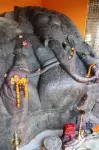
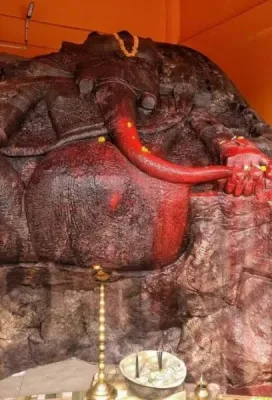
The name Hatisila comes from two Assamese words: "Hati", meaning elephant, and "Sila", meaning rock or stone. The name reflects the elephant-like appearance associated with the natural rock formation worshipped at the site. Devotees regard the sacred formation as a Swayambhu, or self-manifested, form of Lord Ganesh.
Local religious traditions connect Hatisila with the wider spiritual heritage of ancient Kamarupa. However, a precise foundation date or verified historical record establishing the temple's age is not readily available. Stories about the site's origins are best understood as local beliefs passed down through generations.
Lord Ganesha is widely worshipped as Vighnaharta, the remover of obstacles. Visitors come to offer prayers and seek blessings for success, knowledge, prosperity and protection.
Architecture and Natural Setting
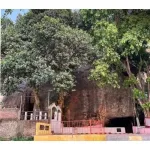
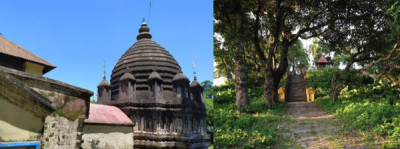
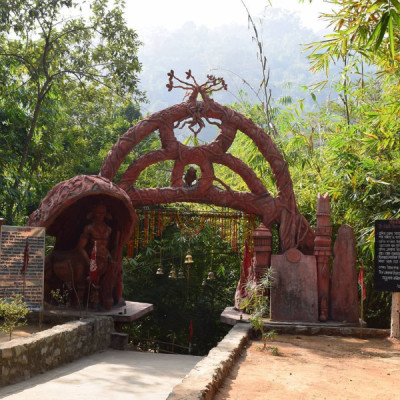
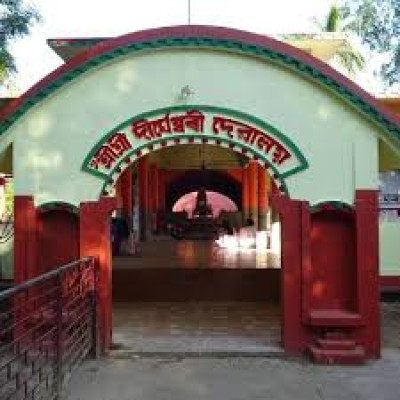
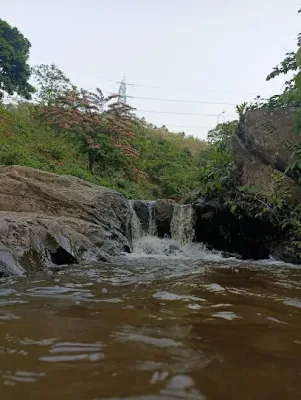
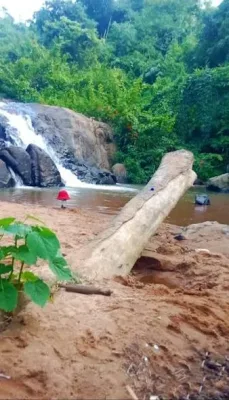
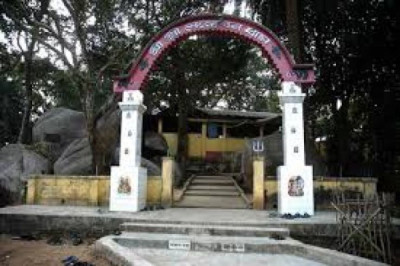
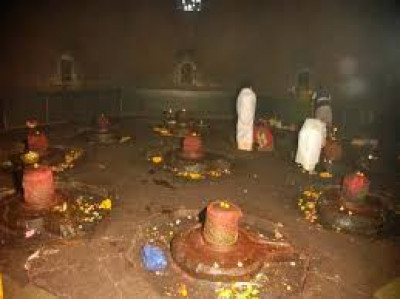
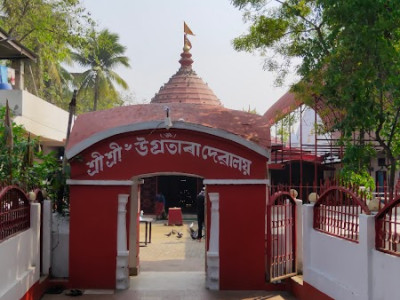
Unlike large temple complexes with elaborate buildings, Hatisila has a relatively simple shrine environment centred on the natural rock formation. Basic prayer spaces and stone features complement the landscape, allowing the natural surroundings to remain an important part of the experience. The site is also associated with a cave-like passage and a Shivalinga, adding to its religious interest.
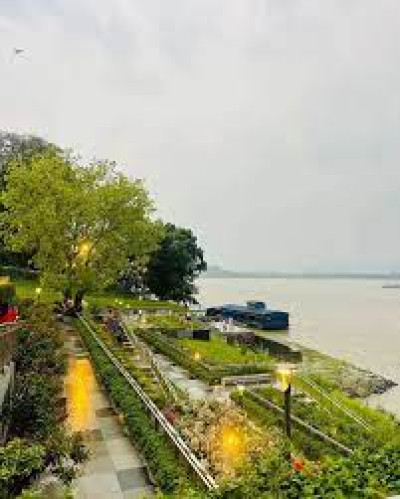
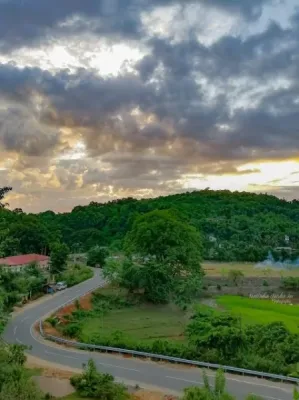
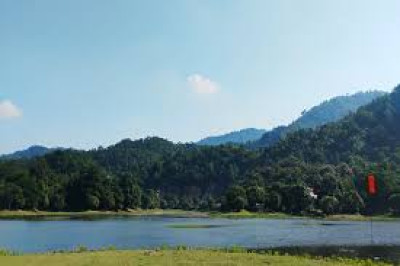
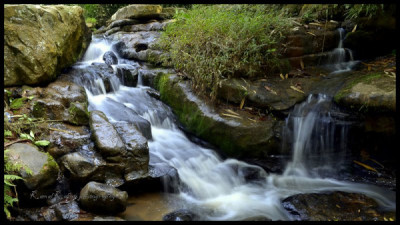
The surrounding greenery and views towards the Brahmaputra create a calm atmosphere for prayer and quiet reflection. Visitors should follow local guidance around the shrine and take care when exploring rocky or uneven areas.
Festivals and Worship
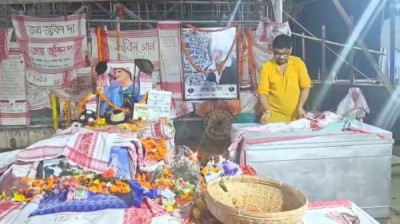
Ganesh Chaturthi is an important occasion for devotees of Lord Ganesha, and special prayers may be organised during the festival. Worshippers also visit on auspicious days and other traditional religious occasions. Visitors planning to attend a festival should confirm the local programme and timings in advance.
How to Reach Hatisila Ganesh Temple
The temple is situated in the Chandrapur-Panikhaiti area, accessible by road from Guwahati via the Narengi and Chandrapur side. Travel time depends on the starting point and traffic conditions. Visitors can use a private vehicle or suitable local transport and check the final approach with local residents before travelling.
Best Time to Visit and Travel Tips
The cooler months from October to March are generally comfortable for visiting and exploring the surrounding area. Before travelling, confirm the temple's current opening hours and parking arrangements, as facilities may vary. Dress respectfully, keep the premises clean, supervise children near rocky ground and riverside areas, and avoid feeding monkeys. Hatisila Ganesh Temple offers a combination of devotion, natural scenery and local tradition for those discovering the cultural attractions of Assam.