In Depth
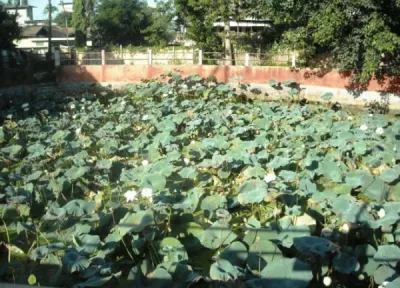
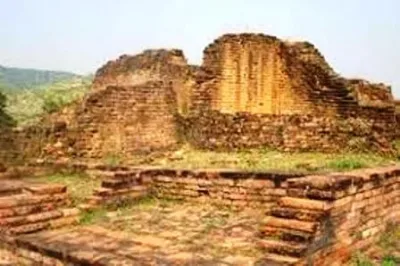
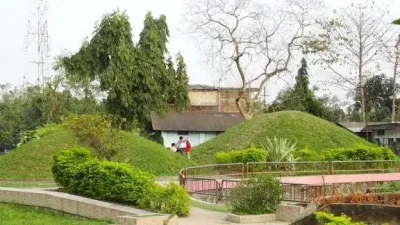
The site consists of large earthen ramparts strategically designed to guide herds of wild elephants into confined spaces where they could be captured safely. Once trapped, the elephants were kept in a nearby enclosure known as Hatisal, close to Neamatighat, where they were trained for royal, military, and administrative purposes. Elephants played a crucial role in warfare, construction, and transportation during the Ahom period, making Hatigarh an important strategic installation.
Historical accounts suggest that King Pratap Singha planned to capture a vast number of elephants from this region. However, the project was eventually abandoned after several elephants housed at Hatisal reportedly died due to an unknown disease. Despite this, the remnants of Hatigarh and Hatisal still survive today, narrating the story of Assam strong historical association with elephants.
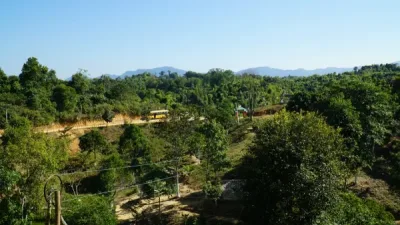
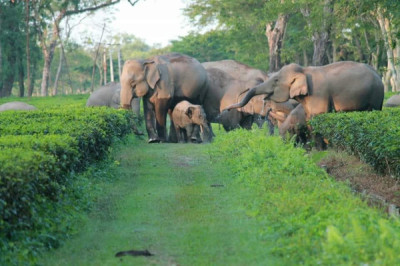
Hatigarh also reflects the rich natural past of Jorhat, indicating that the region once supported a large population of wild elephants before urban expansion and tea cultivation transformed the landscape. Even today, Jorhat remains close to important elephant movement routes, including corridors linked with the Dibru Saikhowa region, highlighting the continuity of human-elephant interaction in Upper Assam.
During later periods, particularly after the Treaty of Yandaboo in 1826, British forces cleared surrounding forests to establish tea estates. One such estate was named Hattigor Tea Estate, later acquired by Tata Tea. In modern history, Hatigarh gained strategic importance again during the Indo-China War of 1962, when it served as a resting camp for Indian military forces. The area currently houses the Army Brigade Headquarters of the Red Horns Division, adding another layer of historical relevance.
Today, Hatigarh is valued as a heritage tourism site that showcases Ahom engineering skills, early wildlife management techniques, and Assam evolving relationship with elephants. Though not a conventional tourist complex, it attracts history enthusiasts, researchers, and travelers interested in Assam lesser-known heritage locations.
How to Reach Hatigarh, Jorhat
Best Time to Visit Hatigarh
The ideal time to visit Hatigarh is between October and March, when the weather remains pleasant and suitable for sightseeing. Summers can be warm, while monsoons may restrict movement due to heavy rainfall.
Where to Stay Near Hatigarh
Visitors can stay comfortably in Jorhat town, which offers a range of accommodation options:
-
Budget hotels and guest houses
-
Mid-range hotels
-
Assam Tourism lodges
-
Tea garden stays in nearby areas
Jorhat also serves as a convenient base for exploring other nearby attractions like Majuli, Gibbon Wildlife Sanctuary, and historical Ahom sites.