In Depth
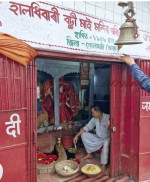
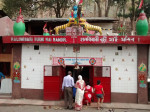
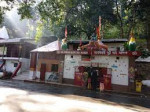
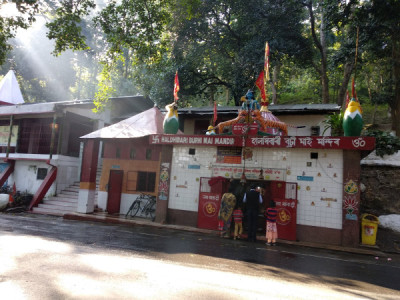
The shrine is dedicated to Burhi Mai or Burhi Ai, a locally revered mother goddess. The name "Burhi Ai Than" is commonly understood as the "Shrine of the Old Mother." Local traditions associate the sacred site with an ancient period, with some accounts tracing its origins to the time of the Kachari Kingdom. The present temple structure, however, is associated with its establishment or reconstruction in 1962.
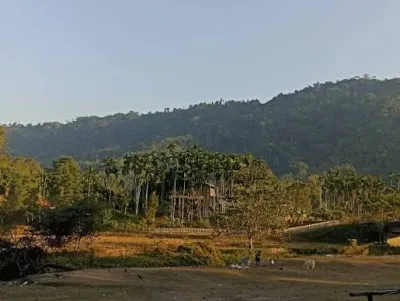
An important feature of Haldibari Burhi Aair Than is the strong faith surrounding the deity. Many devotees consider the shrine a "Jagrat" temple, meaning a spiritually active shrine where sincere prayers are believed to receive a response. Local beliefs also portray Burhi Mai as a guardian of people travelling along this busy highway and, in some traditions, as a protector of the wildlife of the neighbouring Kaziranga landscape.
The temple is also associated with a distinctive roadside tradition. Drivers and passengers passing the shrine often honk their vehicle horns as a gesture of respect and devotion. This practice has become a recognizable part of the local religious culture around the temple.
During Durga Puja and Navratri, the shrine becomes particularly active. Devotees gather to pray and make traditional offerings such as lamps, red cloth, coconuts and sindoor. The festive period creates a deeply devotional atmosphere around the temple.
For travellers visiting Kaziranga National Park, Haldibari Burhi Aair Than offers an opportunity to experience a lesser-known aspect of the region's religious and cultural traditions. Its location along NH 37 also makes it an easily noticeable spiritual stop while travelling through the Kaziranga area.