In Depth
Garmur Satra was once patronized by the Ahom kings, which made it one of the wealthiest and most influential Satras in the region. It stood at the end of an ancient embankment called Chowatalar Garh, giving rise to its name. Even today, visitors can spot remnants of this historic embankment, which connects the Satra to the glorious past of the Ahom era.
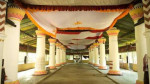
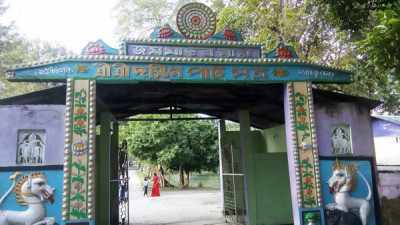
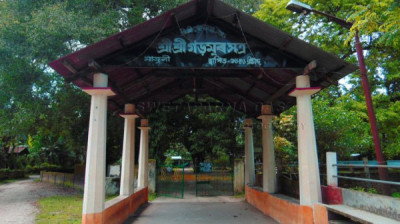
The Satra complex is a remarkable example of traditional Assamese and Ahom architecture. The large Namghar (prayer hall), beautifully crafted wooden pillars, artistically designed entrances, calm courtyards, and centuries-old Bakul trees create a tranquil ambience reminiscent of a hermitage. The Satradhikar’s residence, monks’ quarters, temple ponds, and museum area together reflect the wholesome structure of a traditional Assamese monastery.
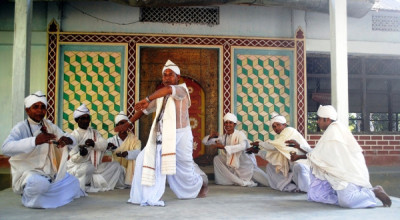
Garmur Satra is especially known for its vibrant festivals and artistic performances. The world-famous Raas Leela of Majuli is celebrated here with grandeur, attracting devotees, cultural enthusiasts and tourists from across the globe. Unlike many other Satras, both men and women participate in the exceptional dance and theatrical performances held at the Garmur Vamshigopal Natya Mandir. Events like Bihu, Janmastami, Bhaona, Phalgutsav and other Sattriya cultural programs are regularly performed, showcasing the richness of Assamese classical traditions.
The museum at Garmur Satra houses precious artefacts including ancient manuscripts (Sanchipat), ivory and silver artworks, royal gifts, traditional Xorais, old weapons, heritage utensils, and relics from the Ahom period. These preserved items offer deep insight into Assamese heritage, making the Satra a treasure house of history.
How to Reach Garmur Satra
Majuli is accessible from Jorhat via ferry services from Nimati Ghat. After reaching Kamalabari Ghat, Garmur Satra is around 10–15 km and can be reached by taxis, autorickshaws, or rental bikes. Regular buses also operate to the main town area.
Best Time to Visit Garmur Satra
The ideal time to visit Garmur Satra is October to March, when the weather is cool and festivals like Raas Leela are celebrated. Monsoon months may cause travel delays due to river conditions.
Where to Stay at Garmur Satra
Visitors are not permitted to stay overnight at Garmur Satra, but they can visit during its open hours. The satra does not provide lodging for visitors; overnight stays are not allowed. The satra is open from 7 AM to 6 PM and is a site for cultural and spiritual tourism, where visitors can observe religious practices and cultural performances.
Majuli offers a range of homestays, eco-resorts, guesthouses, and traditional bamboo cottages near Garmur, Garamur Town, and Kamalabari. Many provide cultural tours, local cuisine, and guided visits to the Satras.
Garmur Satra continues to uphold centuries-old traditions and remains a shining symbol of Assamese spirituality, culture and heritage. A visit to this sacred monastery is not just a trip but a cultural experience that connects you deeply with Majuli’s soul.
Quick Info Table on Garmur Satra
| Topic | Details |
|---|---|
| Location | Garamur Town, Majuli, Assam |
| Founded By | Sri Sri Badula Padma Ata |
| Established | 17th Century |
| Famous For | Raas Leela, Sattriya Culture, Heritage Museum |
| Best Time to Visit | October to March |
| Nearest Town | Jorhat (20 km + ferry route) |
| How to Reach | Ferry from Nimati Ghat → Kamalabari → Local transport |
| Entry Fee | Free |
| Ideal Duration | 1–2 Hours |
| Stay Options | Homestays, Eco-Resorts, Guesthouses in Majuli |
FAQs on Garmur Satra
-
What is Garmur Satra famous for?Garmur Satra is best known for its grand Raas Leela celebrations, Sattriya culture, historic artifacts and peaceful monastic environment.
-
Who founded Garmur Satra?It was established by Sri Sri Badula Padma Ata in the 17th century during the Ahom era.
-
It is located in the Garamur town area, one of the central and well-connected regions of Majuli.
-
What is the best time to visit Garmur Satra?October–March is ideal, especially during the Raas Leela festival.
-
How can I reach Garmur Satra from Jorhat?Take a ferry from Nimati Ghat to Majuli (Kamalabari Ghat) and travel 10–15 km by taxi or auto.
-
Are women allowed to participate in cultural events at Garmur Satra?Yes, both men and women actively participate in performances, especially Raas Leela.
-
Is there an entry fee for Garmur Satra?No, entry is typically free, but donations are accepted.
-
What are the major festivals celebrated at Garmur Satra?Raas Leela, Janmastami, Bihu, Bhaona and other Sattriya festivals.
-
Does Garmur Satra have a museum?Yes, it houses heritage items including manuscripts, ivory works and Ahom-era artefacts.
-
Are hotels available near Garmur Satra?Yes, plenty of homestays, eco resorts, and guesthouses are available nearby.