In Depth
Natural Beauty and Things to Do
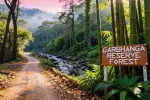
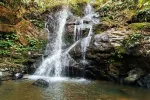
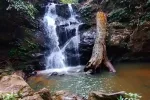
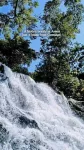
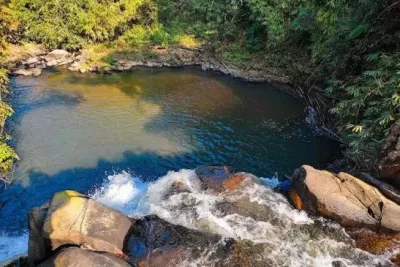
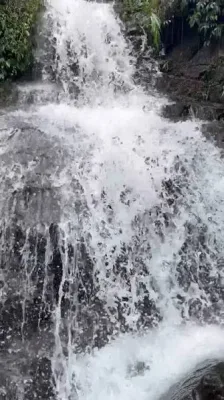
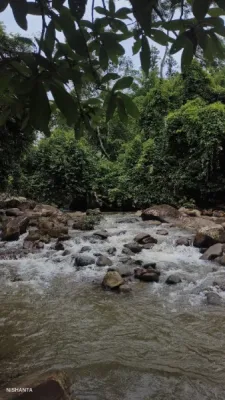
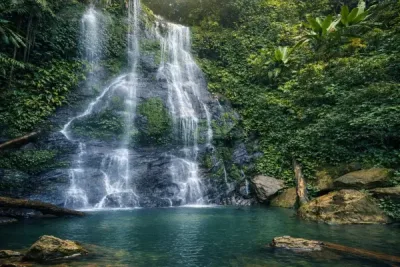
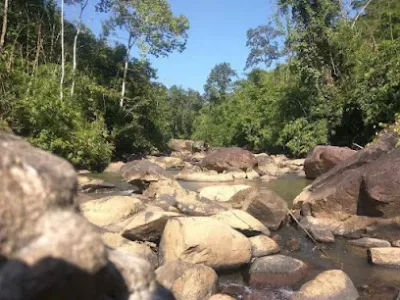
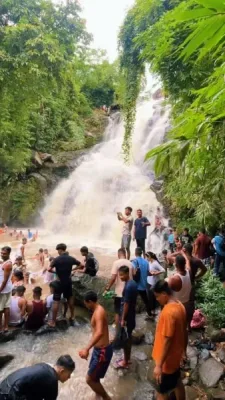
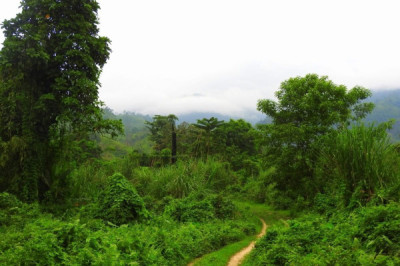
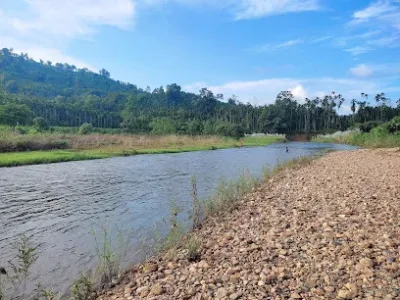
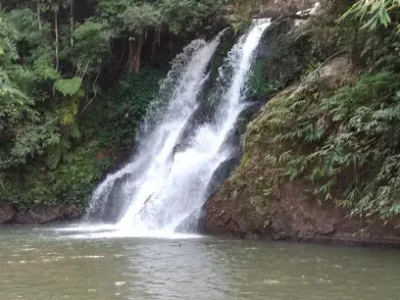
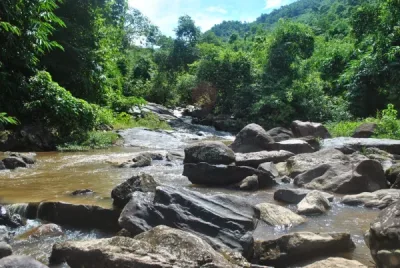
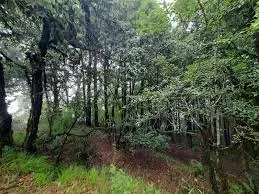
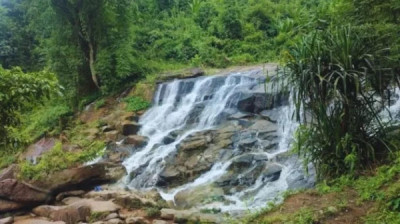
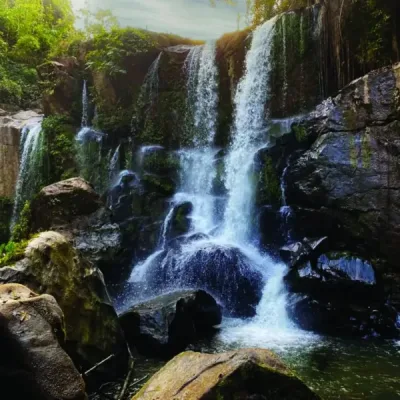
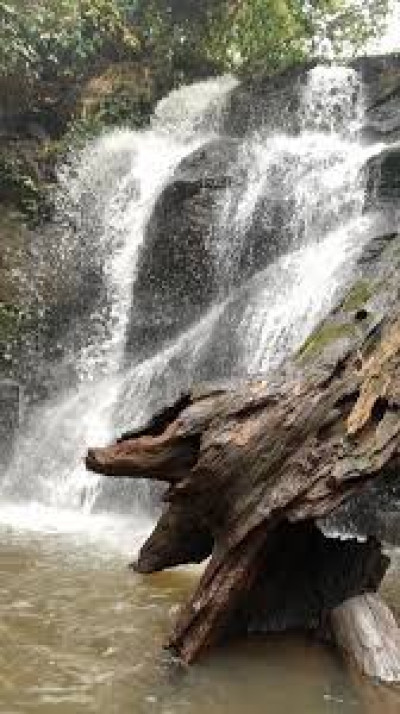
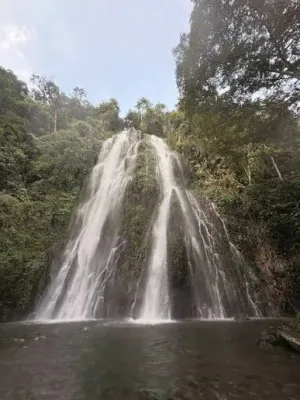
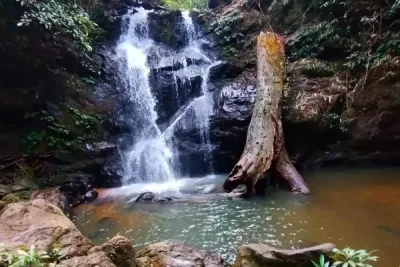
Visitors can enjoy forest walks, short hikes, streamside views and nature photography. The sound of flowing water and the thick green canopy create a peaceful atmosphere away from the city's busy streets. Depending on the route and starting point, reaching the waterfalls may involve a short walk or a longer trek through uneven forest terrain.
Garbhanga Reserve Forest is also part of an important wildlife habitat. Elephants and other wild animals inhabit the area, so visitors should remain alert, stay together in groups and avoid wandering away from familiar trails.
Best Time to Visit Garbhanga Waterfall
October to March is generally comfortable for hiking and outdoor exploration. The monsoon and post-monsoon periods can bring stronger water flow and lush vegetation, but trails may become muddy, slippery and difficult to navigate. Check local weather and trail conditions before travelling.
How to Reach Garbhanga Waterfall
The forest can be approached from the Basistha or Lokhra side of Guwahati, approximately 20-30 km from the city centre, depending on the route. Visitors can travel by private vehicle or two-wheeler to an accessible starting point, followed by a walk or trek. Some interior roads are rough, and navigation apps may not accurately show the forest trails. Local guidance is recommended, particularly for reaching lesser-known waterfalls.
Visitor Tips and Safety
Visitors should register at the designated police checkpoint when required and follow any forest department instructions or access restrictions. Carry drinking water, snacks and suitable trekking shoes, as facilities inside the forest are limited. Arrange an experienced local guide for deeper trails and leave the forest well before dark because elephants and other wildlife may be active in the area. Avoid swimming in unfamiliar pools and never approach wild animals.