In Depth
The satra was established by the revered saint Sri Madhabdeva, one of the most influential religious reformers in Assam and the principal disciple of Srimanta Sankardeva. Historical records and local traditions suggest that Madhabdeva stayed here for nearly eighteen years and played a vital role in spreading the teachings of Neo-Vaishnavism across the region. During his stay, the satra became a center for devotional learning, spiritual discussions, and cultural activities that shaped Assamese society for generations.
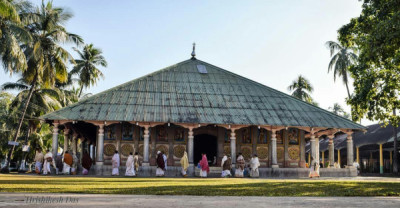
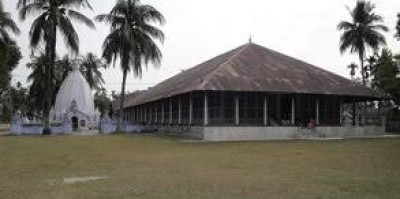
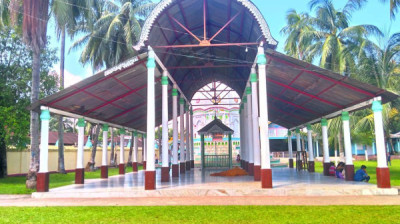
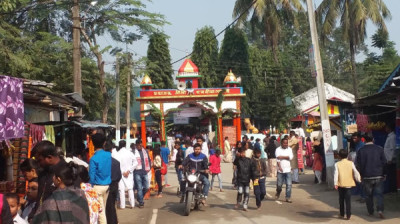
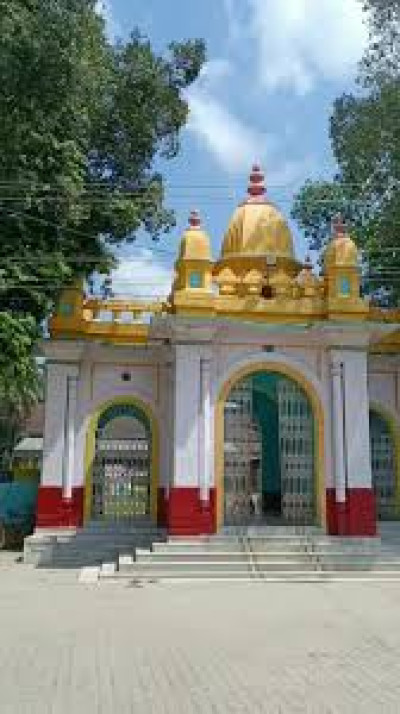
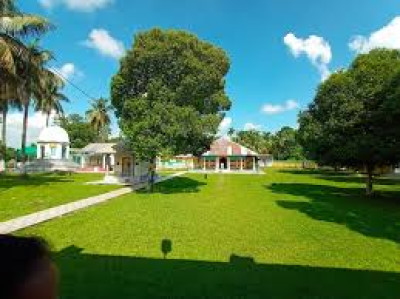
Ganakkuchi Satra is widely respected for preserving the rich traditions of Assamese Vaishnavite culture. The monastery continues to follow the spiritual practices and devotional customs introduced centuries ago. Visitors arriving at the satra can experience a calm and spiritually uplifting environment surrounded by greenery and traditional Assamese architecture.
One of the major attractions of Ganakkuchi Satra is its collection of ancient manuscripts and sacred texts. The satra preserves several valuable Sachipat Puthis believed to be associated with the teachings and literary contributions of Srimanta Sankardeva and Madhabdeva. These manuscripts are considered highly important for understanding the development of Assamese literature, religion, and culture.
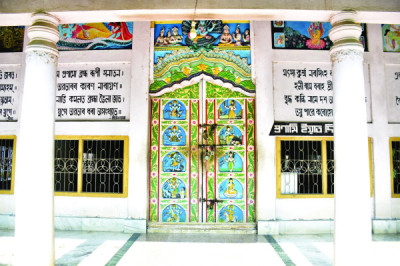
The monastery also preserves several historical relics and traditional artifacts connected with the Neo-Vaishnavite movement in Assam. Devotees and visitors often spend time exploring the prayer halls, sacred spaces, and the peaceful surroundings that reflect the spiritual simplicity promoted by the Vaishnavite saints.
The serene atmosphere of Ganakkuchi Satra is one of its biggest attractions. Unlike crowded tourist destinations, the satra offers visitors an opportunity to experience inner peace and spiritual reflection. The quiet prayer halls, devotional chanting, and disciplined environment make it an ideal place for travelers seeking calmness away from busy city life.
Apart from its religious importance, Ganakkuchi Satra is also known for its historical relevance. The monastery played an important role in preserving Assamese identity, literature, music, and cultural traditions during different periods of history. The influence of the Vaishnavite movement can still be seen in the lifestyle, art, festivals, and social harmony of Assam.
Tourists visiting Ganakkuchi Satra often explore nearby spiritual and cultural attractions in Barpeta district. Barpeta Satra, one of the largest and most famous satras of Assam, is located nearby and attracts thousands of devotees every year. Sundaridiya Satra and Patbaushi Satra are also important religious destinations connected with the teachings of Sankardeva and Madhabdeva.
Nature and wildlife enthusiasts can combine their spiritual tour with a visit to Manas National Park, located within reachable distance from Barpeta. The national park is famous for wildlife safaris, scenic landscapes, and rich biodiversity. It is one of Assam's most popular eco-tourism destinations and a UNESCO World Heritage Site.
Best Time to Visit Ganakkuchi Satra
The ideal time to visit Ganakkuchi Satra is between November and March when the weather remains cool and pleasant. Winter months provide comfortable conditions for sightseeing and exploring the spiritual atmosphere of the monastery.
Religious festivals and devotional gatherings during this season offer visitors an opportunity to witness Assamese traditions, prayer ceremonies, and cultural performances associated with Neo-Vaishnavism.
How to Reach Ganakkuchi Satra
By Road: Ganakkuchi Satra is located only a few kilometers from Barpeta town and is well connected by road. Visitors can easily hire taxis, buses, or auto-rickshaws from Barpeta and nearby towns.
By Train: The nearest railway station is Barpeta Road Railway Station. The station is connected with major cities such as Guwahati, Kolkata, and New Delhi. From the station, local taxis and shared vehicles are available for reaching the satra.
By Air: The nearest airport is Lokpriya Gopinath Bordoloi International Airport in Guwahati. Tourists can hire cabs or use bus services from Guwahati to Barpeta district.
Where to Stay Near Ganakkuchi Satra
Tourists visiting Ganakkuchi Satra can find several accommodation options in Barpeta town and Barpeta Road. Budget hotels, guest houses, lodges, and mid-range hotels are available for travelers and pilgrims.
Visitors interested in exploring wildlife tourism may also stay near Manas National Park where eco-resorts and forest lodges provide comfortable accommodation facilities.
Some religious institutions in the region may provide simple lodging facilities for devotees during festivals and religious occasions.
Travel Tips for Visitors
- Respect local customs and spiritual traditions.
- Maintain silence inside prayer areas.
- Wear modest and comfortable clothing.
- Visit during morning hours for a peaceful experience.
- Carry water bottles and comfortable footwear.
Ganakkuchi Satra is a perfect destination for travelers who wish to experience the spiritual and cultural heritage of Assam. The monastery reflects centuries of devotion, learning, and Assamese tradition while preserving the teachings of the Neo-Vaishnavite movement. Whether you are a pilgrim, history enthusiast, or cultural traveler, Ganakkuchi Satra offers a memorable experience filled with peace, heritage, and spirituality.
Quick Info Table on Ganakkuchi Satra
| Information | Details |
|---|---|
| Place Name | Ganakkuchi Satra |
| Location | Near Barpeta Town, Assam |
| Famous For | Vaishnavite monastery and cultural heritage |
| Established By | Sri Madhabdeva |
| Religious Significance | Neo-Vaishnavite spiritual center |
| Main Attractions | Ancient manuscripts, peaceful Namghar, heritage structures |
| Best Time to Visit | November to March |
| Nearest Railway Station | Barpeta Road Railway Station |
| Nearest Airport | Lokpriya Gopinath Bordoloi International Airport, Guwahati |
| Ideal Visit Duration | 1 to 2 Hours |
| Nearby Attractions | Barpeta Satra, Sundaridiya Satra, Manas National Park |
| Suitable For | Pilgrims, heritage travelers, culture lovers |
FAQ's on Ganakkuchi Satra
1. Where is Ganakkuchi Satra located?
Ganakkuchi Satra is located near Barpeta town in Assam.
2. Who established Ganakkuchi Satra?
The satra was established by Sri Madhabdeva, the disciple of Srimanta Sankardeva.
3. Why is Ganakkuchi Satra famous?
It is famous for preserving Assamese Vaishnavite culture and ancient religious manuscripts.
4. What can visitors see at Ganakkuchi Satra?
Visitors can explore prayer halls, sacred manuscripts, historical relics, and peaceful surroundings.
5. What is the best time to visit Ganakkuchi Satra?
The best time to visit is from November to March.
6. Which is the nearest railway station to Ganakkuchi Satra?
Barpeta Road Railway Station is the nearest railway station.
7. Is Ganakkuchi Satra suitable for spiritual tourism?
Yes, it is one of the important spiritual tourism destinations in Assam.
8. Are hotels available near Ganakkuchi Satra?
Yes, several hotels and guest houses are available in Barpeta and nearby areas.
9. Which nearby attractions can be visited from Ganakkuchi Satra?
Tourists can visit Barpeta Satra, Sundaridiya Satra, Patbaushi Satra, and Manas National Park.
10. Why should tourists visit Ganakkuchi Satra?
Tourists should visit the satra for its peaceful environment, cultural heritage, and historical importance.