In Depth
Doul Govinda Temple, Guwahati - History, Timings, How to Reach & Festivals
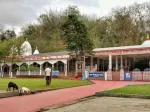
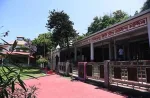
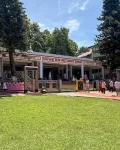
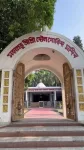
The temple is primarily associated with Lord Krishna and is an important destination for devotees following Vaishnavite traditions. Along with its religious importance, Doul Govinda Temple is known for its colourful Doul Utsav celebrations, connection with local history, traditional devotional activities and scenic surroundings.
For travellers exploring Guwahati, a visit to Doul Govinda Temple offers an opportunity to experience the spiritual heritage of Assam while also enjoying the landscape of the Brahmaputra and North Guwahati.
Location of Doul Govinda Temple
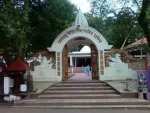
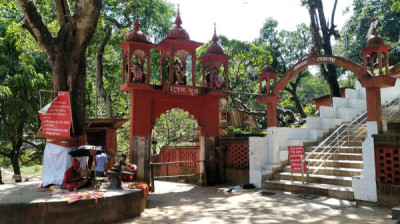
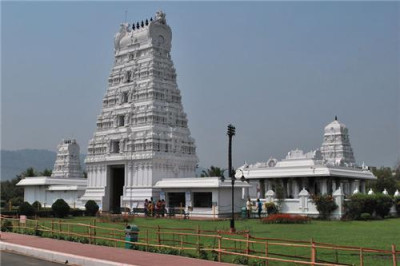
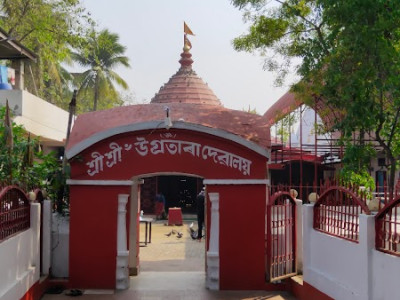
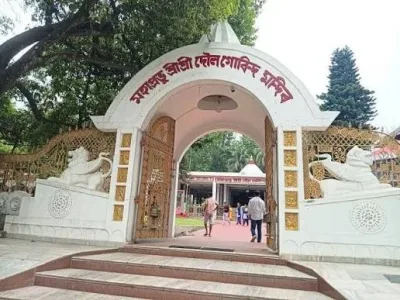
Doul Govinda Temple is situated at Rajaduar in North Guwahati, near the foothills of Chandrabharati Hill. The temple is located on the northern side of the Brahmaputra, opposite the main urban area of Guwahati.
North Guwahati has considerable historical importance. Assam Tourism's heritage publications describe the wider area as an important historic region associated with ancient Kamrupa and note the presence of several significant temple and archaeological sites, including Doul Govinda, Dirgheswari, Kurma Janardan, Aswaklanta, Rudreswar and Manikarneswar.
The combination of the temple, hill, river and surrounding heritage sites makes this part of Guwahati particularly interesting for travellers interested in religious tourism and Assam's history.
History of Doul Govinda Temple
The history of Doul Govinda Temple is closely connected with local traditions and stories surrounding the discovery and installation of the principal deity.
According to local accounts, an image of Lord Krishna playing the flute was discovered at a place associated with Sandhya-Jhar in the wider Nalbari-Rangia region. A popular legend tells of a cow repeatedly releasing its milk over a particular spot, which drew attention to the area. An investigation reportedly led to the discovery of the sacred image.
The deity was later brought to the present location and installed at Rajaduar. Local traditions associate this process with Ganga Ram Barooah, also referred to in some accounts as Gargaram Barooah.
There are also historical traditions connecting the deity with the family worship of local figures during the Ahom period. These accounts are part of the oral and religious heritage surrounding the temple, and different versions of the story exist.
The original temple structure is understood to be more than a century old and was subsequently renovated. A major renovation is traditionally associated with 1966, giving the temple its present form and helping preserve the shrine for succeeding generations.
Because some aspects of the temple's early history are preserved through local tradition rather than detailed contemporary records, visitors should regard the legendary accounts as part of the cultural heritage of Doul Govinda rather than as independently verified historical facts.
Deities Worshipped at Doul Govinda Temple
The temple has two principal idols: Lord Govinda and Lord Shyamaray. Devotees primarily offer prayers to Lord Govinda.
The presence of these deities gives the temple its strong Vaishnavite character. Regular prayer, archana, bhoga offerings, devotional singing and other religious activities form part of the temple's spiritual life.
The temple is not only a place for individual worship but also functions as a community religious centre, particularly during important festivals and special observances.
Doul Utsav and Holi Celebration
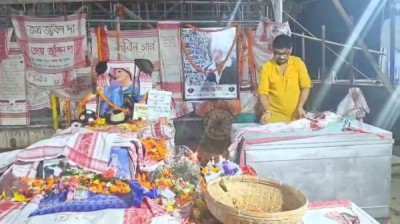
Doul Utsav is the most distinctive festival associated with Doul Govinda Temple. Celebrated around the spring festival of Holi, the event brings together large numbers of devotees and visitors.
During Doul Utsav, the deity is traditionally associated with the special Doul celebration, while the temple premises become a centre for devotional music, religious ceremonies, cultural programmes and the use of abir, or coloured powder.
The festival can continue over several days and creates a lively atmosphere around Rajaduar and North Guwahati. The combination of Vaishnavite worship, Assamese cultural traditions, music and the festival of colours makes Doul Utsav an important cultural experience.
The temple also observes Janmashtami, the festival marking the birth of Lord Krishna. Large gatherings may take place during major religious occasions. Assam Tourism currently identifies Doul Govinda as a prominent Krishna temple known for major Janmashtami celebrations.
What to See at Doul Govinda Temple?
There are several things that make a visit to Doul Govinda Temple worthwhile.
Main Shrine
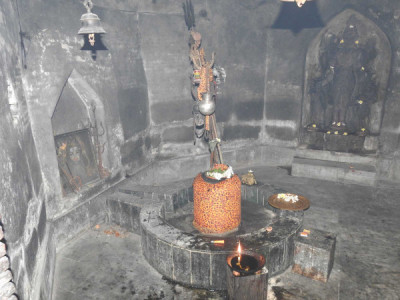
The principal shrine houses Lord Govinda and Lord Shyamaray. Visitors can observe the traditional atmosphere of worship and devotional practices associated with the temple.
Namghar
The temple complex and its wider religious environment reflect Assamese traditions of collective prayer and devotional singing. The namghar serves as an important space for congregational religious activities.
Doul Structure
A separate structure associated with Doul Utsav becomes particularly important during the spring festival when special celebrations take place.
Chandrabharati Hill
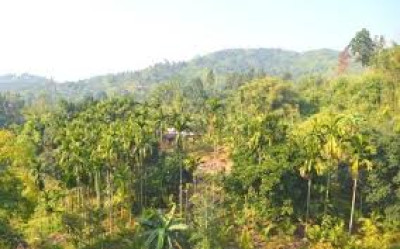
The temple is located at the foothills of Chandrabharati Hill. The green surroundings provide a peaceful setting and create a natural backdrop for the shrine.
Brahmaputra River
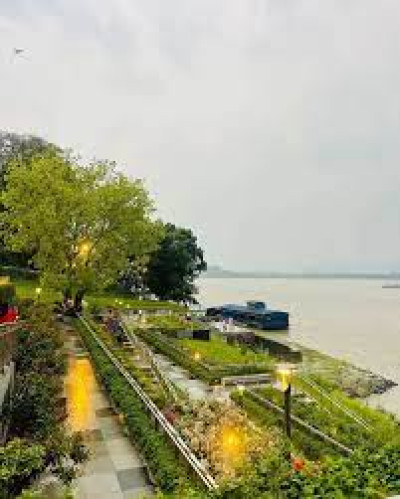
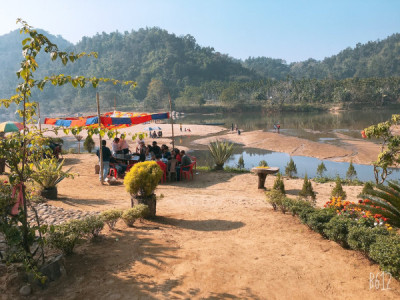
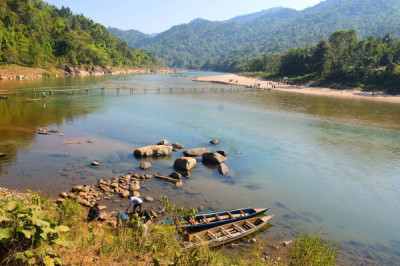
The nearby Brahmaputra is one of the major attractions around the temple. Visitors can enjoy views of the river and experience the distinctive landscape of North Guwahati.
Daily Worship and Temple Timings
The temple follows a daily cycle of worship and devotional activities. Morning rituals traditionally begin with the bathing of the deity and archana, followed by offerings.
The supplied temple information indicates a morning ritual period around 6:30 AM to 7:00 AM, bhoga offering around 7:30 AM, and evening religious activities later in the day. However, daily timings can change according to religious observances, festivals and temple administration.
For this reason, visitors should confirm the current darshan and puja schedule directly with the temple before travelling, particularly if they are planning a specific ritual or visit outside normal daytime hours.
Best Time to Visit Doul Govinda Temple
The period from October to April is generally comfortable for visiting Doul Govinda Temple and exploring North Guwahati. The weather is more suitable for sightseeing, river journeys and outdoor exploration.
The spring festival season is particularly attractive for visitors who want to experience Doul Utsav and the temple's cultural celebrations. However, festival days can be considerably more crowded than ordinary days.
If your priority is peaceful sightseeing and photography, visiting outside the main festival period can provide a quieter experience.
How to Reach Doul Govinda Temple from Guwahati?
Doul Govinda Temple can now be reached from Guwahati by both river and road routes.
By Road: The road journey has become easier following the opening of the Kumar Bhaskar Varma Setu, a new six-lane bridge connecting Guwahati and North Guwahati across the Brahmaputra. The bridge was inaugurated on February 14, 2026, and opened to vehicular traffic in March 2026.
From central Guwahati, visitors can travel towards the Machkhowa side, cross the Kumar Bhaskar Varma Setu and continue towards North Guwahati and Rajaduar.
The Saraighat Bridge also provides a road connection to North Guwahati and remains another route depending on the starting point and traffic conditions.
By Ferry or Boat: The traditional and scenic way to reach Doul Govinda Temple is by crossing the Brahmaputra.
Ferry and boat services have historically connected Guwahati with North Guwahati, including routes from the Fancy Bazaar area towards Rajaduar. The river crossing offers a different perspective of the Brahmaputra and can be an enjoyable part of the temple visit.
Ferry schedules can change because of weather, river conditions, maintenance and local operating arrangements. Therefore, visitors should verify the current departure time at the ghat before beginning the journey.
Ferry or Boat Timings :
Rajaduar Ghat:
From Guwahati: 7:30 AM, 8:30 AM, 9:00 AM, 10:30 AM, 1:00 PM, 3:00 PM, 5:30 PM, 6:45 PM, 7:45 PM
Sunday: 9:30 AM, 10:30 AM, 5:30 PM
From North Guwahati: 8:00 AM, 9:00 AM, 9:30 AM, 11:30 AM, 2:00 PM, 4:00 PM, 6:00 PM, 7:15 PM, 8:00 PM
Madhyam Khanda Ghat:
From Guwahati: 8:45 AM, 10:00 AM, 4:30 PM, 6:00 PM, 7:00 PM
Sunday: 10:30 AM, 5:00 PM
From North Guwahati: 9:25 AM, 10:30 AM, 5:00 PM, 6:30 PM, 7:30 PM
Engine-fitted boats: 6:30 AM – 8:30 PM
By Ropeway: Visitors can also use the Guwahati Ropeway to cross the Brahmaputra from the Kachari Ghat side towards North Guwahati. From the North Guwahati ropeway terminal, local transport can be used for the remaining journey towards the temple.
This option can be especially attractive to visitors who want to experience an aerial view of the Brahmaputra and Guwahati.
Guwahati and North Guwahati Ropeway Operating Hours & Timings:
Operational Timings: 8:30 AM to 4:30 PM (subject to daylight availability).
Lunch Break: Non-operating time from 1:00 PM to 1:30 PM.
Ticket Counter Hours: Morning session from 8:25 AM to 12:30 PM; Afternoon session from 1:30 PM to 4:30 PM.
Weekly Closure: Closed on the 2nd and 4th Thursday of every month.
Ticket Fees & Pricing: Normal Ticket (General Adults): One Way: ₹250 per person. Both Ways (Round Trip): ₹400 per person (Valid for 2 hours only; no both-way tickets issued after 12:30 PM on weekends/holidays).
Children: Up to 9 years: Free; above 9 years: Normal ticket rates
Concessions & Special Categories: Senior Citizens (Above 60 years): 50% discount on tickets; Specially-Abled Persons free entry.
Foreign Tourists: One Way: ₹750 per person; Both Ways: ₹1,400 per person
By Train: Guwahati Railway Station is the main railway station for visitors arriving by train. From the station, travellers can continue by taxi, app-based cab or local transport towards North Guwahati.
By Air: The nearest major airport is Lokpriya Gopinath Bordoloi International Airport, which serves Guwahati and the surrounding region.
From the airport, visitors can hire a taxi or app-based cab and travel towards North Guwahati by road.
Distance and Travel Planning
The actual travel time to Doul Govinda Temple depends heavily on the starting point, traffic, route and mode of transport.
Unlike older travel information that relied mainly on ferry crossings or the Saraighat route, visitors in 2026 have an additional road connection through the Kumar Bhaskar Varma Setu. This makes it important to check the current road route when planning a visit.
If you are staying in central Guwahati, allow sufficient time for traffic, temple visits and sightseeing rather than relying on a fixed journey duration.
Where to Stay Near Doul Govinda Temple?
Visitors have several accommodation choices in Guwahati. Staying in central Guwahati is generally convenient for travellers who want to combine Doul Govinda Temple with Kamakhya Temple, Umananda Temple, Navagraha Temple, museums and other city attractions.
Hotels and guesthouses can also be found in areas such as North Guwahati and Amingaon, depending on your itinerary.
For a first-time visitor to Guwahati, central areas with easy access to taxis and public transport can be convenient. Families may prefer a quieter hotel with parking and easy road access.
It is advisable to select accommodation based on the complete travel plan rather than choosing a hotel only because it is close to Doul Govinda Temple.
Whom to Contact at Doul Govinda Temple?
For puja, darshan, festival arrangements or other temple-related enquiries, visitors should contact the temple administration directly.
The temple contact information provided for Doul Govinda includes:
Office: 9706076431
Principal Secretary, Administration: 9678196240
Principal Secretary, Finance: 9707053420
Secretary, Administration: 9864092229
Secretary, Finance: 9954722239
Email: doulgovinda@gmail.com
Website: doulgovinda.org
Visitors should verify these contact details before relying on them, particularly for festival arrangements, puja bookings, ferry information or special religious services.
Places to Visit Near Doul Govinda Temple
Doul Govinda Temple can be included in a wider North Guwahati sightseeing itinerary. Nearby religious and heritage attractions include:
Aswaklanta Temple
Dirgheswari Temple
Rudreswar Temple
Manikarneswar Temple
Hayagriva Madhava Temple at Hajo
Brahmaputra riverfront
Saraighat area
North Guwahati is particularly rich in temple heritage, and Assam Tourism lists several historic shrines in this region.
Travel Tips for Doul Govinda Temple
Wear comfortable and respectful clothing when visiting the temple.
Remove footwear where required.
Follow instructions provided by temple authorities.
Avoid photography in areas where it is restricted.
During Doul Utsav and Janmashtami, expect large crowds.
Check ferry and boat services before travelling by river.
Do not depend on old ferry schedules found online because services may change.
Carry drinking water, especially when combining the temple visit with other outdoor attractions.
Keep the temple and river surroundings clean.
If travelling with elderly family members, consider the road route when river conditions or ferry access may be inconvenient.
Why Visit Doul Govinda Temple?
Doul Govinda Temple is an important destination for understanding the religious and cultural character of North Guwahati. Its importance comes not only from its association with Lord Govinda and Lord Shyamaray, but also from its riverside location, local history, traditional worship and vibrant Doul Utsav celebrations.
The temple provides a different experience from Guwahati's better-known hilltop shrines. Here, the Brahmaputra, Chandrabharati Hill and the historic landscape of North Guwahati form an important part of the journey.
For travellers exploring Assam, Doul Govinda Temple can therefore be included as part of a Guwahati temple tour, a cultural itinerary or a wider exploration of the historical sites around the Brahmaputra.
Quick Info About Doul Govinda Temple
| Information | Details |
|---|---|
| Tourist Place | Doul Govinda Temple |
| Also Known As | Doul Govinda Mandir / Shri Shri Doul Govinda Devalaya |
| Location | Rajaduar, North Guwahati, Assam |
| District | Kamrup Metropolitan |
| Deities | Lord Govinda and Lord Shyamaray |
| Main Deity | Lord Govinda |
| Religion | Hinduism |
| Temple Tradition | Vaishnavite |
| Nearby River | Brahmaputra River |
| Nearby Hill | Chandrabharati Hill |
| Major Festival | Doul Utsav (Holi) |
| Other Major Festival | Janmashtami |
| Best Time to Visit | October to April |
| Entry Fee | Generally free |
| Main Access | Road, ferry/boat and local transport |
| Nearest Major Railway Station | Guwahati Railway Station |
| Nearest Airport | Lokpriya Gopinath Bordoloi International Airport |
| Location Character | Riverside and hill-foot setting |
Frequently Asked Questions About Doul Govinda Temple
1. Where is Doul Govinda Temple located?
Doul Govinda Temple is located at Rajaduar in North Guwahati, Assam, near the foothills of Chandrabharati Hill and the Brahmaputra River.
2. Which deity is worshipped at Doul Govinda Temple?
The temple has two principal idols, Lord Govinda and Lord Shyamaray. Lord Govinda is the main focus of worship for many devotees.
3. What is Doul Govinda Temple famous for?
Doul Govinda Temple is particularly known for its worship of Lord Krishna, its riverside setting and its Doul Utsav celebrations associated with Holi.
4. What is the best time to visit Doul Govinda Temple?
October to April is generally a comfortable period for sightseeing around the temple. Visitors interested in the Doul Utsav should plan around the festival dates, while those seeking a quieter visit can choose a non-festival period.
5. How can I reach Doul Govinda Temple from Guwahati?
The temple can be reached by road through North Guwahati, by ferry or boat across the Brahmaputra, and through the Guwahati Ropeway followed by local transport. The new Kumar Bhaskar Varma Setu also provides a direct road connection between Guwahati and North Guwahati.
6. Can I reach Doul Govinda Temple by ferry?
Yes. Ferry and boat services have traditionally connected Guwahati with North Guwahati. However, schedules can change according to river conditions and local operations, so visitors should check the current service before travelling.
7. What is the main festival of Doul Govinda Temple?
Doul Utsav, the Assamese celebration associated with Holi, is the temple's most distinctive festival. Janmashtami is another important religious occasion celebrated at the temple.
8. Is there any entry fee for Doul Govinda Temple?
There is generally no regular admission charge for entering the temple. However, special pujas, offerings or religious services may have their own arrangements or contributions.
9. What are the nearby tourist attractions?
Visitors can combine Doul Govinda Temple with Aswaklanta Temple, Dirgheswari Temple, Rudreswar Temple, Manikarneswar Temple and other heritage attractions of North Guwahati. Hayagriva Madhava Temple at Hajo can also be considered as part of a longer pilgrimage itinerary.
10. How much time should I spend at Doul Govinda Temple?
Around one to two hours can be sufficient for a normal temple visit, although more time may be useful if you want to explore the riverbank, surrounding area or nearby North Guwahati attractions. During major festivals, visitors should allow additional time because of crowds.
Conclusion
Doul Govinda Temple is one of the significant religious places to visit in Guwahati, combining Vaishnavite traditions, local history, festival culture and the natural beauty of the Brahmaputra. Located at Rajaduar in North Guwahati, the temple is especially known for its association with Lord Govinda, Lord Shyamaray and the colourful Doul Utsav.
Whether you are visiting Guwahati for pilgrimage, cultural exploration or sightseeing, Doul Govinda Temple offers an opportunity to experience the spiritual heritage of Assam in a peaceful riverside setting. Its proximity to other historic temples of North Guwahati also makes it an ideal stop on a broader Guwahati temple and heritage tour.