In Depth
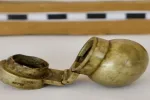
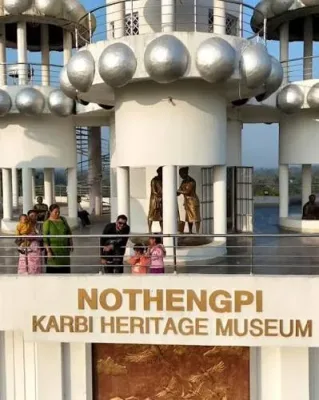
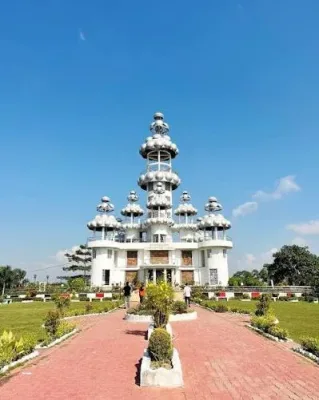
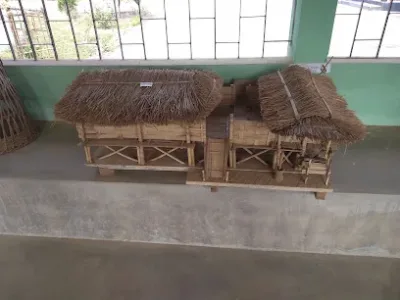
Established under the Directorate of Museums, the District Museum brings together artefacts of archaeological, historical and cultural importance. Its galleries showcase traditional objects associated with communities such as the Karbi, Kuki, Bodo, Dimasa, Naga and others from the wider region. Visitors can explore displays of handwoven textiles, traditional clothing, ornaments, handicrafts, household implements, hunting equipment and musical instruments. These exhibits help explain how local communities have used their skills, resources and artistic traditions in daily life and cultural practices.
One of the notable attractions is a sculptural representation of Lord Narasimha, which is described in the supplied references as a significant historical exhibit. The museum also features stone sculptures, manuscripts and objects connected with traditional knowledge and regional history. Musical instruments, including the Cheng-Burup drum, offer a glimpse into the musical and ceremonial traditions of indigenous communities.
A visit to the District Museum can be a meaningful addition to a sightseeing trip around Diphu. It provides an opportunity to learn about the cultural diversity of Karbi Anglong beyond its hills, waterfalls and natural attractions. Students, history enthusiasts, researchers and travellers interested in Assam's indigenous heritage may find the collections particularly informative.
The museum is located in P.H.E. Colony, Diphu, Assam 782446, and can be reached by a short local ride from the town centre or Diphu Railway Station. The commonly listed visiting schedule is Tuesday to Sunday, from 10:00 AM to 5:00 PM, with Monday as the weekly closing day. The entry fee is reported to be free, although visitors should confirm the current arrangements before travelling. For visitor-related enquiries, the listed contact number is +91 87946 29326.
If you are exploring Diphu and want to understand the traditions and history of its communities, the District Museum offers a convenient opportunity to discover the cultural heritage of Karbi Anglong in one place.