In Depth
A traditional Assamese namghar is more than a place of worship. It also provides a shared space where people gather for religious observances, cultural performances and community activities. The word "Bornamghar" refers to a significant or large namghar, reflecting the shrine's longstanding importance among devotees.
The complex is known for its peaceful devotional atmosphere, traditional prayer practices and association with the Ekasarana Naam Dharma movement. Visitors interested in Assam's religious history and cultural traditions can learn about the role these institutions have played in shaping community life across the Brahmaputra Valley.
History and the Legend Behind Its Name
The history of Dhekiakhowa Bornamghar is closely linked to the life and teachings of Madhavdeva. According to a widely shared local legend, the saint once arrived in the area while travelling and received shelter and a simple meal from an elderly couple. Despite having limited means, they offered him rice and dhekia xaak, a fern commonly used in Assamese cooking.
The couple's humble hospitality is central to the story of the place. The name "Dhekiakhowa" is traditionally explained through the words associated with eating dhekia, the fern dish served to the saint. Moved by the couple's devotion, Madhavdeva is believed to have initiated a prayer space at the location. Villagers later continued worship there, and the modest shrine gradually developed into the Bornamghar known today.
This account is part of local religious tradition and is remembered as a lesson in humility, generosity and sincere devotion. It also reflects the values promoted by the Neo-Vaishnavite movement, which emphasises devotion to God and collective spiritual practice.
The exact founding year varies across published accounts, with some giving 1461 and others 1528. Visitors researching the site's chronology should consult the managing committee or reliable historical publications for clarification rather than treating either date as universally agreed.
The Sacred Lamp of Dhekiakhowa Bornamghar
One of the most distinctive features associated with Dhekiakhowa Bornamghar is its earthen oil lamp, commonly called a banti or saki. According to the shrine's tradition, Madhavdeva lit the lamp when the prayer space was established and instructed devotees to keep its flame alive.
The lamp is said to have been maintained across generations, with those responsible for the shrine replenishing it with oil as part of their religious duty. It symbolises continuity of faith, devotion and the collective responsibility of the community to preserve its spiritual heritage.
The lamp is often described in visitor accounts as one of India's longest continuously maintained religious flames. Claims about record status and exact duration can change or depend on documentation, so any specific record recognition should be verified with the relevant record organisation or temple management.
What to See at Dhekiakhowa Bornamghar
The Main Prayer Hall
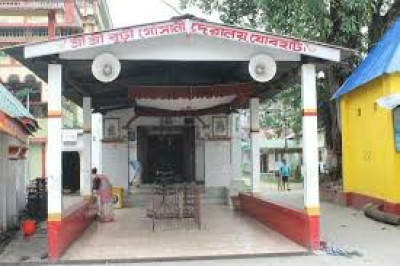
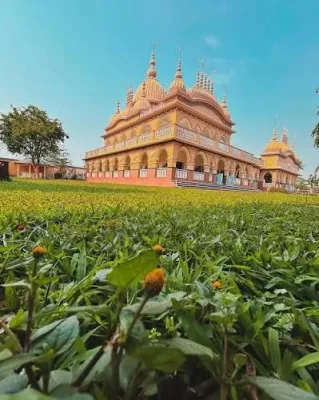
The central namghar is the heart of the complex. It provides a setting for congregational prayer, the singing of devotional naam and other religious observances. Visitors can observe the traditional atmosphere and learn how the namghar functions as a centre of community worship.
The Sacred Lamp
The traditional oil lamp is an important focus for devotees and visitors interested in the shrine's history. Its story connects the present-day community with the founding legend associated with Madhavdeva.
The Monikut and Sacred Scriptures
The Monikut is the sanctified area associated with the principal religious objects and scriptures. Its arrangement follows the shrine's worship traditions. Access may be restricted during prayers, so visitors should follow local instructions and avoid disturbing ongoing rituals.
Traditional Architecture and the Main Pillar
The complex is associated with traditional Assamese religious architecture. Local stories describe a large sal wood pillar and connect its origin with a legend about a tree travelling upstream. This story is part of the site's heritage narrative; visitors can ask local guides or temple representatives about the version preserved by the community.
The Campus and Cultural Facilities
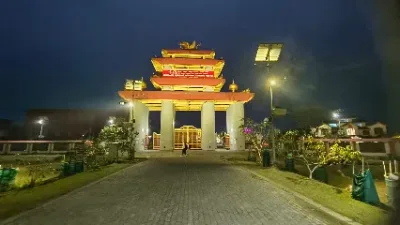
The Bornamghar is described as occupying around 13 bighas of land. Its wider compound accommodates religious gatherings and cultural programmes, with facilities maintained by the management. The appearance and accessibility of individual buildings may change as maintenance and development work takes place.
Festivals and Religious Activities
The Assamese month of Bhado or Bhadra, generally falling in August and September, is an especially important period at Dhekiakhowa Bornamghar. Paal Naam and other devotional gatherings draw devotees for collective prayer, naam kirtan and religious observances. The larger crowds create a lively spiritual atmosphere and demonstrate the continuing importance of the shrine in Assamese religious life.
The Bornamghar also observes important occasions associated with the lives and teachings of Srimanta Sankardev and Madhavdeva. Cultural programmes and traditional performances may be organised during selected events. Dates and schedules vary according to the religious calendar and local arrangements, so visitors planning around a particular ceremony should confirm the programme in advance.
Daily naam and prayer activities continue outside major festivals, although timings may differ. Visitors seeking a quieter experience may prefer an ordinary morning or afternoon visit.
Best Time to Visit Dhekiakhowa Bornamghar
October to March is generally comfortable for travelling around Jorhat because the weather is often more suitable for outdoor sightseeing. For visitors interested in the shrine's major devotional gatherings, the Bhado period offers a chance to experience Paal Naam and related observances. It can also be much busier than other times of year.
Early morning is a good option for those who prefer a quieter atmosphere. Dress respectfully, follow instructions about footwear and photography, and avoid entering restricted areas during worship.
How to Reach Dhekiakhowa Bornamghar from Guwahati
By Road: Dhekiakhowa Bornamghar is approximately 12-15 km east of Jorhat town and about 3.5 km from National Highway 37, according to the supplied references. From Guwahati, travel towards Jorhat via the main highways connecting Upper Assam. The road journey is roughly 300-320 km and may take around 6-8 hours or longer, depending on traffic, road conditions and stops.
By Train: Travel by train from Guwahati to Jorhat Town Railway Station or another suitable station based on the service available for your date. From Jorhat Town, hire a taxi or auto-rickshaw to reach the Bornamghar. Mariani Junction may also be useful for some train services, but the onward road journey is longer. Check current train schedules before departure.
By Air: Jorhat Airport, also known as Rowriah Airport, is the nearest airport. From the airport, arrange a taxi towards Jorhat town and continue to Dhekiakhowa village. The airport is outside the town centre, and the final travel time depends on traffic and the chosen route.
Local Transport: Local taxis, auto-rickshaws and other road transport options can be arranged in Jorhat. If travelling during a major festival, allow extra time because traffic and visitor numbers may increase.
After reaching the Jorhat area, continue towards the NH-37 corridor and follow local directions to Dhekiakhowa village. A taxi or private vehicle is convenient for the final stretch.
Where to Stay Near Dhekiakhowa Bornamghar
Jorhat town is the most practical base for most visitors. It offers a range of hotels, guesthouses and lodges, from budget accommodation to more comfortable stays. Areas around the town centre and Gar Ali can be convenient for visiting local attractions and arranging transport.
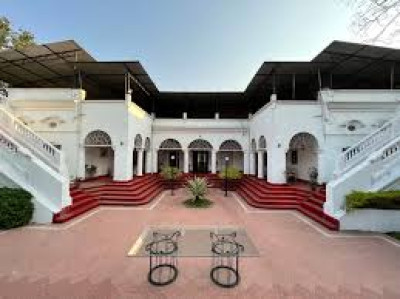
Travellers looking for a heritage-style stay can investigate properties such as Thengal Manor, subject to current availability and rates. Confirm the address, booking conditions, facilities and distance from the Bornamghar directly with the property before making a reservation. No verified accommodation phone number was provided in the supplied references.
Contact Details and Visitor Information
For enquiries about the shrine, religious programmes and visit arrangements, the following contact was supplied in the reference material:
An alternative number listed in the reference material is 0376-2320020 for the Jorhat District Administration. This is not confirmed as a direct temple number, so check its current validity and ask to be directed to the appropriate office if needed.
Reported visiting hours are 7:00 AM to 8:00 PM daily, but timings may vary during special events or administrative arrangements. Contact the management before travelling if you need to confirm a specific ritual, festival programme or accessibility requirement.
Quick Information About Dhekiakhowa Bornamghar
| Feature | Details |
|---|---|
| Name | Dhekiakhowa Bornamghar |
| Also Known As | Dhekiakhowa Bor Namghar or Dhekiakhowa Bornamghor |
| Location | Dhekiakhowa village, Jorhat district, Assam |
| Distance from Jorhat Town | Approximately 12-15 km east |
| Distance from NH-37 | Approximately 3.5 km |
| Founder | Mahapurush Madhavdeva, the disciple of Srimanta Sankardev |
| Established | A historic foundation traditionally attributed to Madhavdeva; published accounts differ on the exact year |
| Religious Tradition | Ekasarana Naam Dharma and Assamese Neo-Vaishnavism |
| Campus Area | Approximately 13 bighas, as reported in local descriptions |
| Famous For | Sacred oil lamp, Naam Kirtan, Paal Naam and Vaishnavite heritage |
| Main Festival Period | Bhado or Bhadra, generally August-September |
| Other Observances | Naam Prasanga, saint anniversaries and cultural programmes |
| Reported Opening Hours | 7:00 AM to 8:00 PM; confirm locally before visiting |
| Nearest Airport | Jorhat Airport, Rowriah |
| Nearest Railway Station | Jorhat Town Railway Station |
| Visitor Contact | Sri Prabin Kalita, Secretary, Managing Committee: +91 9954489514 |
| District Administration Contact | 0376-2320020; confirm the number and its relevance before relying on it |
| Recommended Visit Duration | Around 1-3 hours |
FAQs About Dhekiakhowa Bornamghar
1. Where is Dhekiakhowa Bornamghar located?
Dhekiakhowa Bornamghar is located in Dhekiakhowa village in Jorhat district, Assam, approximately 12-15 km east of Jorhat town.
2. Who founded Dhekiakhowa Bornamghar?
The shrine is traditionally associated with Mahapurush Madhavdeva, the saint-reformer and principal disciple of Srimanta Sankardev.
3. When was Dhekiakhowa Bornamghar established?
Published accounts differ, citing 1461 or 1528. The exact founding year should be confirmed through the shrine's managing committee or reliable historical records.
4. Why is Dhekiakhowa Bornamghar famous?
It is known for its Neo-Vaishnavite religious heritage, its association with Madhavdeva, the traditional sacred oil lamp and its major Paal Naam gatherings.
5. What is the significance of the continuously burning lamp?
According to the shrine's tradition, Madhavdeva lit an earthen lamp that devotees have maintained over generations. It represents enduring faith and collective devotion.
6. What is the best time to visit Dhekiakhowa Bornamghar?
October to March is generally pleasant for travel. August and September are significant for Paal Naam and other observances during the Assamese month of Bhado or Bhadra.
7. How far is Dhekiakhowa Bornamghar from Jorhat town?
It is approximately 12-15 km from Jorhat town and around 3.5 km from National Highway 37, depending on the approach route.
8. How can I reach Dhekiakhowa Bornamghar from Guwahati?
You can travel to Jorhat by road, train or air, then continue by taxi or auto-rickshaw to Dhekiakhowa village.
9. Where can I stay when visiting Dhekiakhowa Bornamghar?
Jorhat town has hotels, lodges and guesthouses. Booking accommodation in town makes it easier to arrange transport to the shrine and visit other local attractions.
10. Whom should I contact before visiting Dhekiakhowa Bornamghar?
The supplied reference lists Sri Prabin Kalita, Secretary of the Managing Committee, at +91 9954489514. Confirm that the number is current before relying on it for visit or festival arrangements.